VENUS
Welcome To Venus

Venus

Venus Pressure Depth

Structural Crush Depth
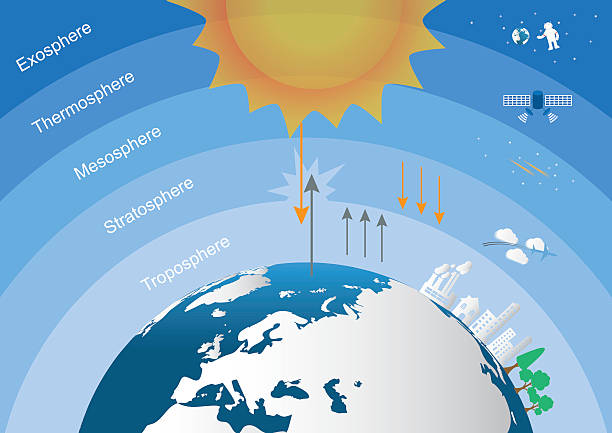
Atmospheric Density

Greenhouse Heating

Cooling Energy

Buoyancy Lift

Altitudinal Habitability

Floating Base Stability

Venus Day vs Year
Venus Transit

Sulfuric Acid Corrosion

CO2 to O2 Conversion

Lightning Frequency

Windturbine Power

Comms Through Clouds

Landed Probe Lifespan

Venus Gravity Assist
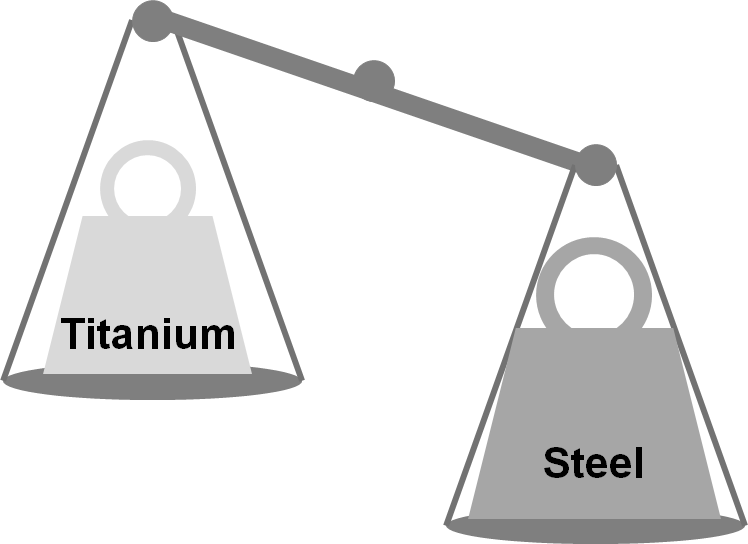
Titanium vs Steel

Sonic Velocity on Venus

Acid Rain

Cloud Cities

Venus Mysteries
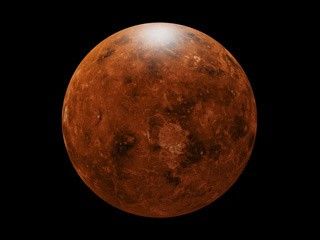
View 3D Model
FOUNDATIONS / PLANETARY PROFILES
VENUS: THE ATMOSPHERIC CRUCIBLE
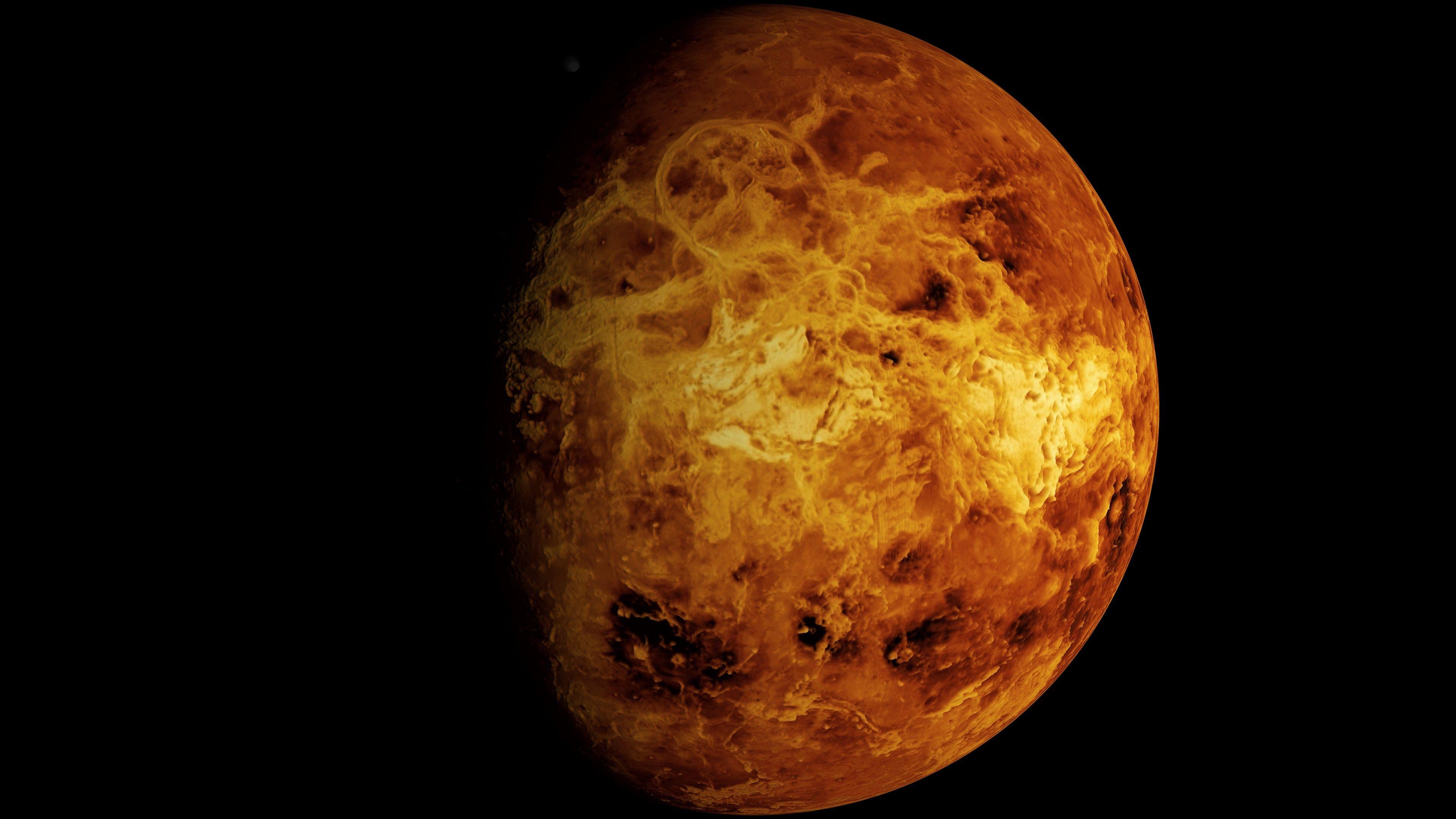
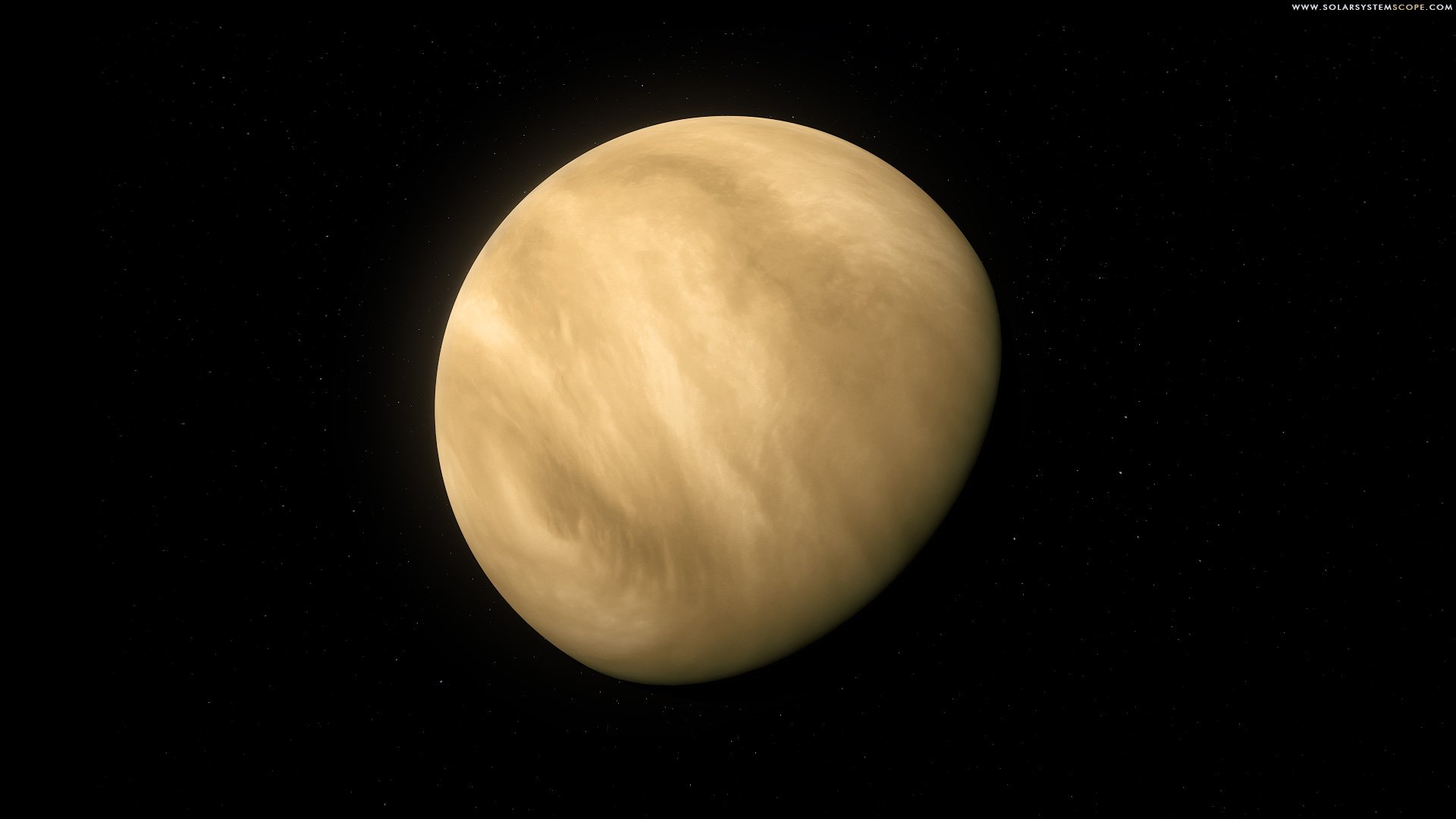
Venus is often called Earth’s twin due to its size, but it is vastly different in environment. It possesses a thick, toxic atmosphere primarily composed of carbon dioxide, which creates a runaway greenhouse effect leading to surface temperatures hot enough to melt lead. For New Horizons, Venus serves as the ultimate laboratory for atmospheric chemistry, high-pressure material science, and climate modeling. Learning to navigate its clouds or survive on its surface represents the pinnacle of robotic endurance and atmospheric engineering.
FOUNDATIONS / MISSION-CRITICAL
VENUS STRATEGIC FOCUS
To operate on or above Venus, we must solve three primary challenges: Material Corrosivity, Extreme Pressure Resistance, and Atmospheric Dynamics. We need to study how materials degrade in sulfuric acid to build better sensors, develop hardened housing for electronics to withstand surface pressure, and model the super-rotating cloud layers to understand high-velocity atmospheric weather patterns. These studies aren't just for Venus—they provide the data required to build resilient hardware for any high-pressure or chemically aggressive environment.
FOUNDATIONS / STRATEGIC INSIGHTS
WHY STUDY VENUS?
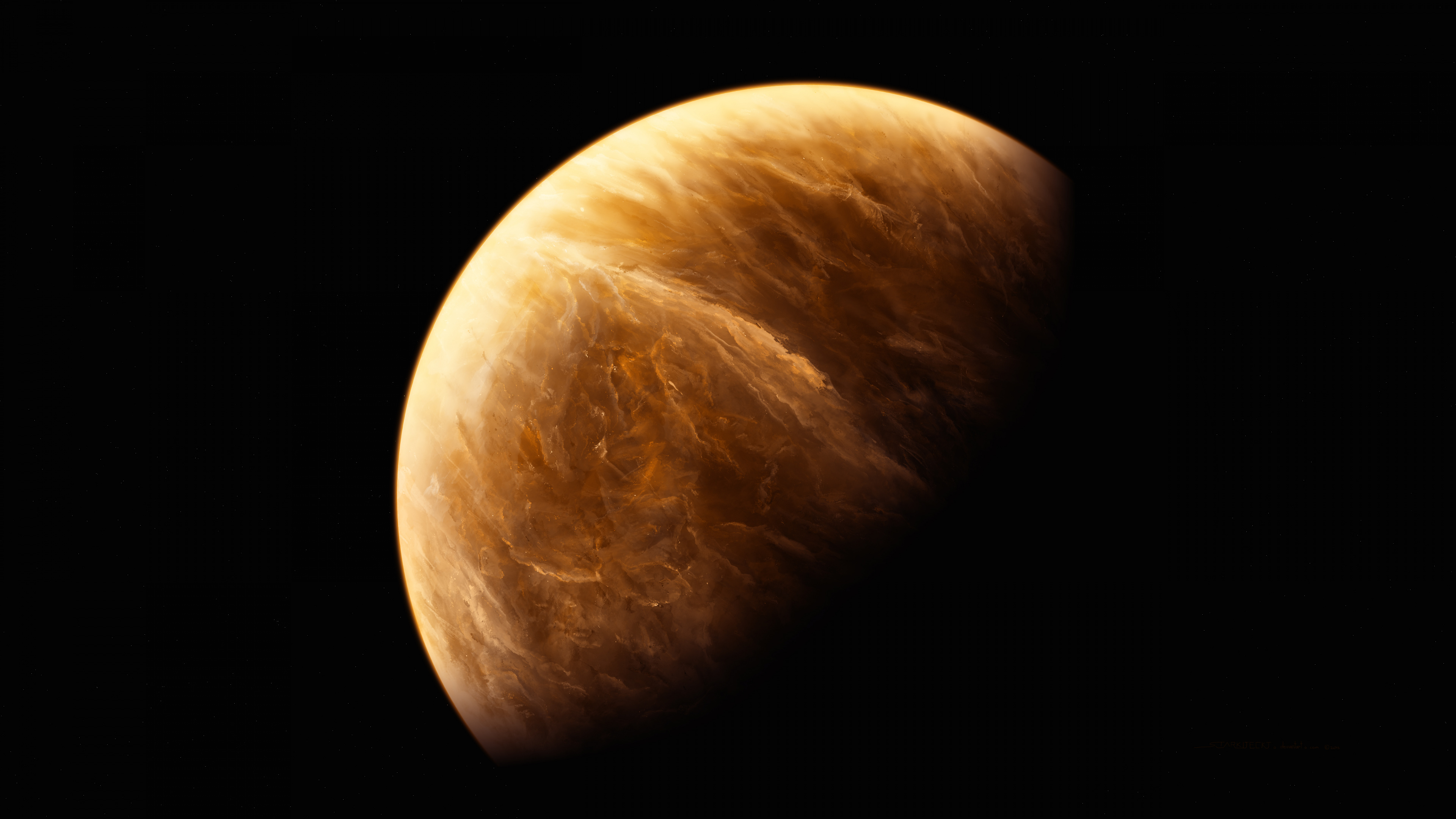
Learning about Venus is vital for New Horizons because it acts as a planetary case study in climate instability. By researching how a planet similar to Earth in size and composition became a scorching hellscape, we gain critical insights into greenhouse gas mechanics and atmospheric feedback loops. Furthermore, overcoming the challenges of Venusian research drives innovation in material science, pressure-hardened robotics, and autonomous systems, providing the foundational technology needed to explore any high-energy or extreme-pressure environment in the galaxy.
ATMOSPHERE
Thick CO2 atmosphere with sulfuric acid clouds creating a surface pressure 92 times that of Earth.
DATATEMPERATURE
Global average of 464°C, hot enough to melt lead, caused by a runaway greenhouse effect.
STATSROTATION
Rotates backward (retrograde) and extremely slowly; a day on Venus is longer than its year.
ORBITALGEOLOGY
Extensive volcanic features, mountains, and plains covering the entire surface of the planet.
SURFACEMISSIONS
Historical and future mission data, including past landers and upcoming radar mapping.
EXPLOREPHASES
Venus exhibits phases similar to the Moon due to its orbit between Earth and the Sun.
VISUALSJoin Our Newsletter
Stay updated with the latest astronomical discoveries, space mission updates, and community events from HORIZONS. It is an honor to have you join our journey through the stars.