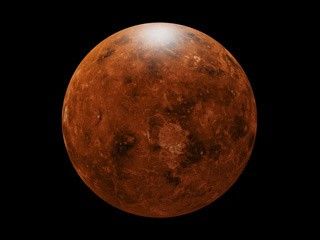
Windturbine Power
WIND POWER SYSTEMS
HIGH-DENSITY KINETIC HARVESTING
Heavy Surface Torque
Though surface winds crawl at just 1 to 2 meters per second, the atmospheric density is so immense (~65 kg/m³) that it acts like a heavy underwater current, providing immense mechanical torque to compact turbine blades.
Fluid thickness compensates for low velocity, matching or exceeding Earth-equivalent outputs.
Requires reinforced, heavy-duty structural rotors rather than wide aerodynamic wings.
Surface Flow
High-Density Drag. Low-velocity winds at 92 bar pressure exert massive kinetic force on structural components.
- 🐌 Velocity: 3 - 7 km/h (Avg).
- 🧱 Density: 65 kg/m³ (Supercritical CO₂).
- 🌊 Effect: Fluid-like momentum transfer.
Density Power
High-Torque Extraction. Converting the slow, heavy surface currents of Venus into stable electrical loads for deep-surface landers.
- 🔄 RPM: Low-speed, high-momentum rotation.
- 🏗️ Design: Savonius VAWT (Vertical Axis).
- 🔋 Yield: 50x Earth power at equal velocity.
Axle Stress
High-Torque Threshold. Monitoring the Inconel 718 drivetrain for thermal creep and mechanical deformation at 460°C.
- 💎 Bearings: Silicon Nitride (Ceramic) - NO LUBE.
- 🛡️ Blades: Inconel 718 with Stellite coating.
- 🔋 Efficiency: High density allows 92% peak torque.
MISSION: VENUS / POWER GENERATION
WIND ENERGY: THE DENSITY ADVANTAGE
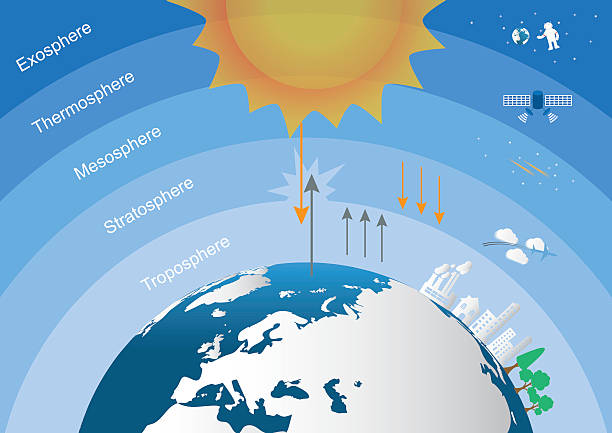
Venus offers a unique aerodynamic environment. Because the atmosphere is approximately 65 times denser than Earth's at the surface (and remains highly compressed at operational altitudes), the kinetic energy flux of the wind is exponentially higher. A turbine with a small blade radius can extract the same amount of power as a massive wind turbine on Earth, simply because the fluid hitting the blades is so much more substantial. This allows us to scale down our power harvesting hardware significantly, reducing weight—a critical factor for any floating mission architecture.
MISSION: VENUS / STRUCTURAL ENGINEERING
BLADE EROSION & STRUCTURAL LOADS
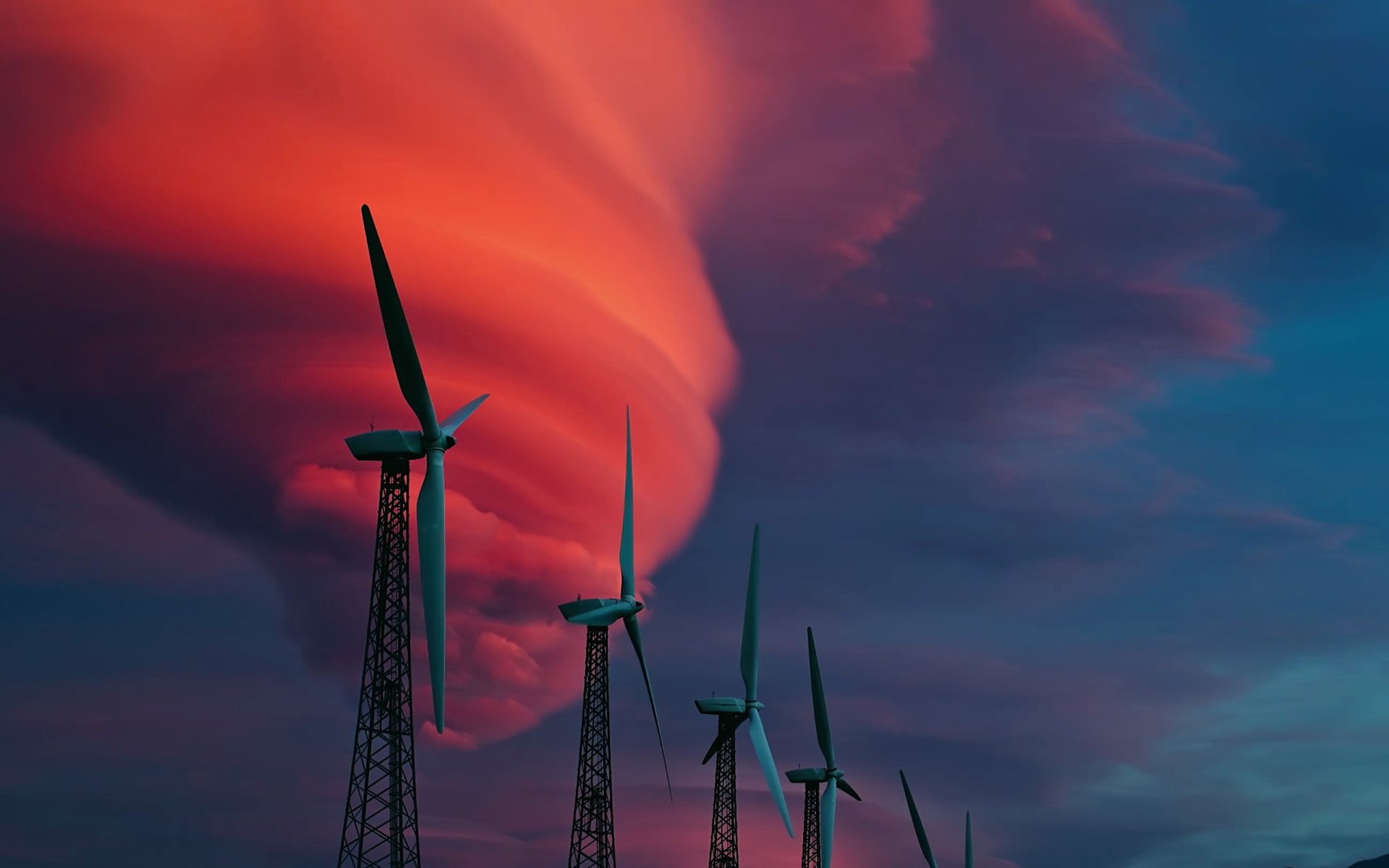
Operating a wind turbine in Venus's dense atmosphere introduces two primary failure modes: chemical pitting and mechanical erosion. Because the fluid is so dense, even microscopic particles carried by the wind strike the turbine blades with significantly higher momentum than on Earth, acting like a constant high-pressure abrasive. To survive this, blades cannot be made of lightweight composites typical of Earth-based turbines. We must use superalloys or hardened ceramic composites coated in inert, low-friction polymers (like PTFE) to prevent both chemical degradation from the acid clouds and surface pitting from high-velocity particle impacts. Additionally, the extreme torque requires rigid, non-flexible blade geometry to avoid catastrophic fatigue failure.

Venusian Wind
~360 km/h
Altitude = 50-70 km (Clouds)
Surface = ~3 km/h (Dense)
Power = P ∝ v³ (Velocity cubed)
Sources
SUPER-ROTATION ENERGY
Analysis of the upper atmosphere's constant 360 km/h winds and their potential for energy harvesting.
WIND DYNAMICSTURBINE AERODYNAMICS
Scientific papers on designing turbine blades that can operate in supercritical $CO_2$ densities.
ENGINEERING SPECSSURFACE HARVESTING
Investigating the tradeoff between slow wind (1 m/s) and high surface density (65 kg/m³).
SURFACE DATA>
Dive Deep Venus

Venus

Venus Pressure Depth

Structural Crush Depth
Atmospheric Density

Greenhouse Heating

Cooling Energy

Buoyancy Lift

Altitudinal Habitability

Floating Base Stability

Venus Day vs Year
Venus Transit

Sulfuric Acid Corrosion

CO2 to O2 Conversion

Lightning Frequency

Windturbine Power

Comms Through Clouds

Landed Probe Lifespan

Venus Gravity Assist
Titanium vs Steel

Sonic Velocity on Venus

Acid Rain

Cloud Cities

Venus Mysteries