
Acid Corrosion
ACID CORROSION
TOXIC SULFURIC ATMOSPHERE
Sulfuric Clouds (Virga)
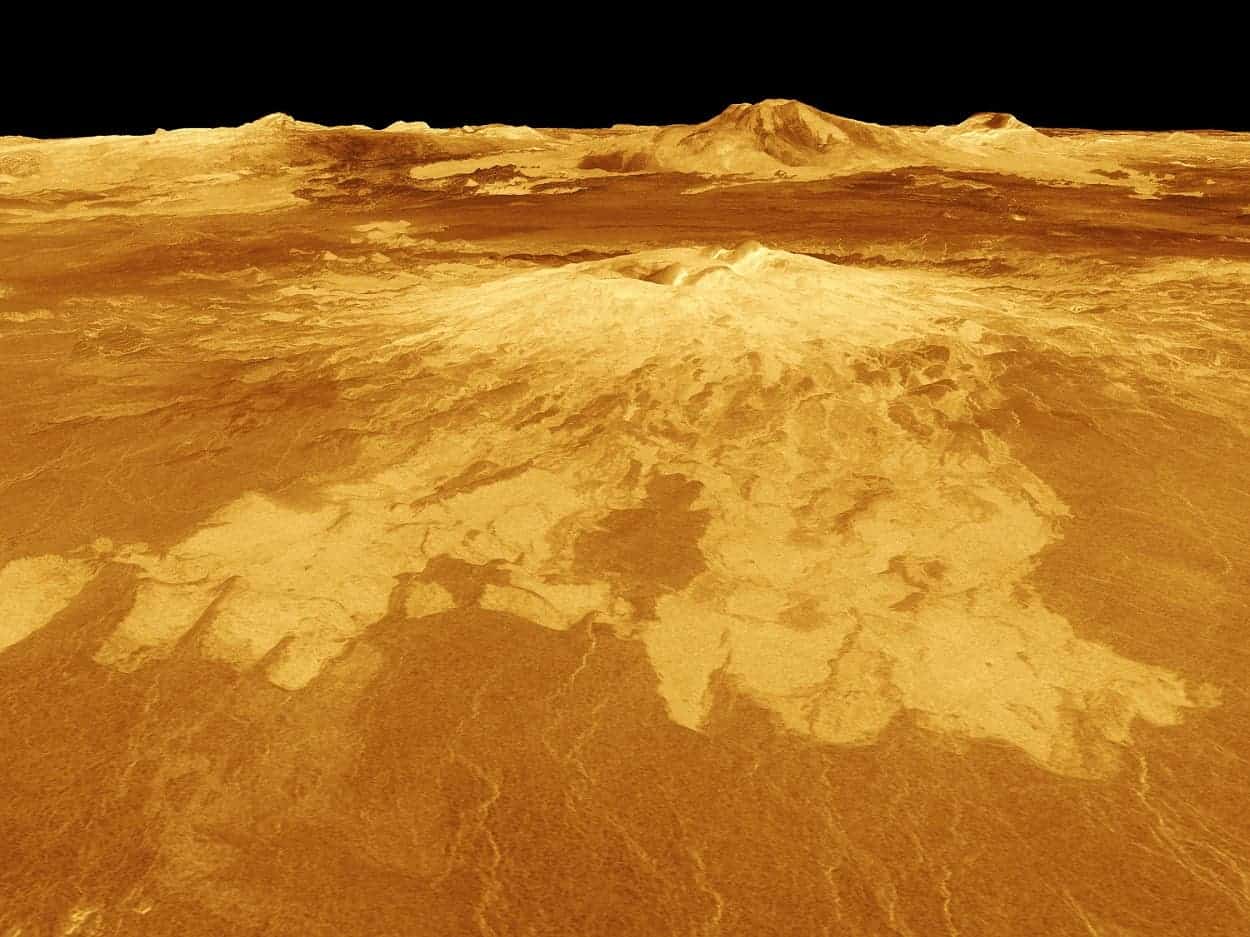
The upper atmosphere of Venus features thick, permanent cloud decks composed mostly of highly concentrated sulfuric acid droplets, completely obscuring the planetary surface from optical view.
Extreme chemical concentration capable of rapidly dissolving metals.
Acid droplets evaporate completely before hitting the ground due to extreme surface heat.
Acid Shield
Chemical Defiance. In the 95% sulfuric mist of the Venusian clouds, survival is a matter of molecular bonds. Only the most inert polymers endure.
- 🧪 Concentration: 75-95% H2SO4 droplets.
- 🛡️ Armor: PTFE (Teflon) and FEP polymer coatings.
- 💎 Optics: Sapphire-encased sensor arrays.
Shield Integrity
Molecular Defense. Monitoring the passivation layer and PTFE skin thickness against the 95% H₂SO₄ concentration of the Venusian middle-cloud deck.
- 🛡️ Coating: 500μm PTFE (Teflon) Laminate.
- 🏗️ Substrate: Grade 5 Titanium Alloy.
- 💎 Optics: Al₂O₃ Sapphire Lens Covers.
MISSION: VENUS / ATMOSPHERIC CHEMISTRY
THE ACID RAIN CYCLE
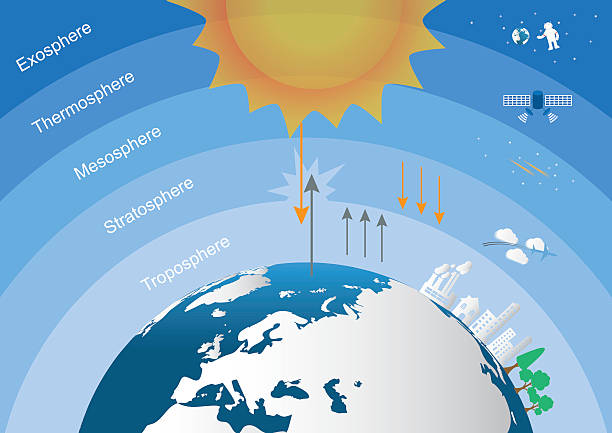
The clouds of Venus are not composed of water, but of concentrated sulfuric acid. As ultraviolet light from the Sun interacts with carbon dioxide and sulfur dioxide in the upper atmosphere, it creates a continuous chemical cycle that rains acidic droplets down into the lower troposphere. While the extreme heat causes this acid to evaporate before it ever hits the surface, the mid-level atmosphere is a corrosive soup. Any metallic or polymeric surface exposed to this environment faces rapid chemical breakdown unless protected by highly inert coatings like Teflon or specialized ceramics.

MISSION: VENUS / HARDENING SOLUTIONS
MATERIAL HARDENING
Engineering a probe to survive Venus requires moving away from conventional metallurgy. Concentrated sulfuric acid acts as a potent oxidizing agent that strips protective oxide layers from common metals like aluminum and iron. Our primary line of defense is material inertness. By encasing scientific instruments in fluorinated polymers such as PTFE (Teflon), we create a barrier that the acid cannot chemically bond with or dissolve. For sensitive internal sensors, we utilize specialized ceramic or borosilicate housings that provide both thermal stability and total chemical immunity. This passive strategy is critical; it ensures system survival without requiring active power consumption, keeping the core electronics safe from the corrosive environment.
Dive Deep Venus

Venus

Venus Pressure Depth

Structural Crush Depth
Atmospheric Density

Greenhouse Heating

Cooling Energy

Buoyancy Lift

Altitudinal Habitability

Floating Base Stability

Venus Day vs Year
Venus Transit

Sulfuric Acid Corrosion

CO2 to O2 Conversion

Lightning Frequency

Windturbine Power

Comms Through Clouds

Landed Probe Lifespan

Venus Gravity Assist
Titanium vs Steel

Sonic Velocity on Venus

Acid Rain

Cloud Cities

Venus Mysteries

View 3D Model
Sources
ACID CHEMISTRY
A breakdown of the sulfur cycle on Venus and the formation of 75-96% concentration acid droplets.
ESA RESEARCHRESISTANT MATERIALS
Testing Teflon (PTFE), specialized ceramics, and titanium alloys for longevity in acidic clouds.
NASA MATERIALSCLOUD CORROSION
How the combination of UV light and sulfuric acid accelerates the degradation of optical sensors.
SENSOR DATACloud Chemistry
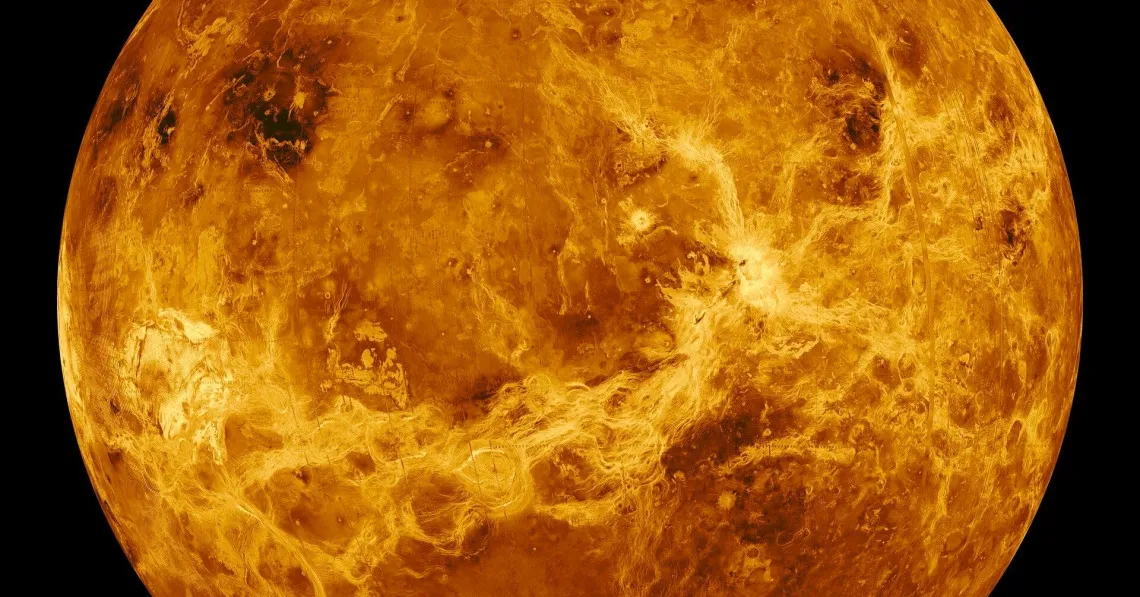
Ultraviolet view highlighting the distribution of sulfuric acid aerosols.
Acid Impact

Visualizing the degradation of standard materials under H₂SO₄ exposure.
H₂SO₄ Cycle

Concentration: 75% to 96% H₂SO₄
Solution: Teflon & Fluoropolymers
Phenomenon: Virga (Acid rain evaporating before surface)