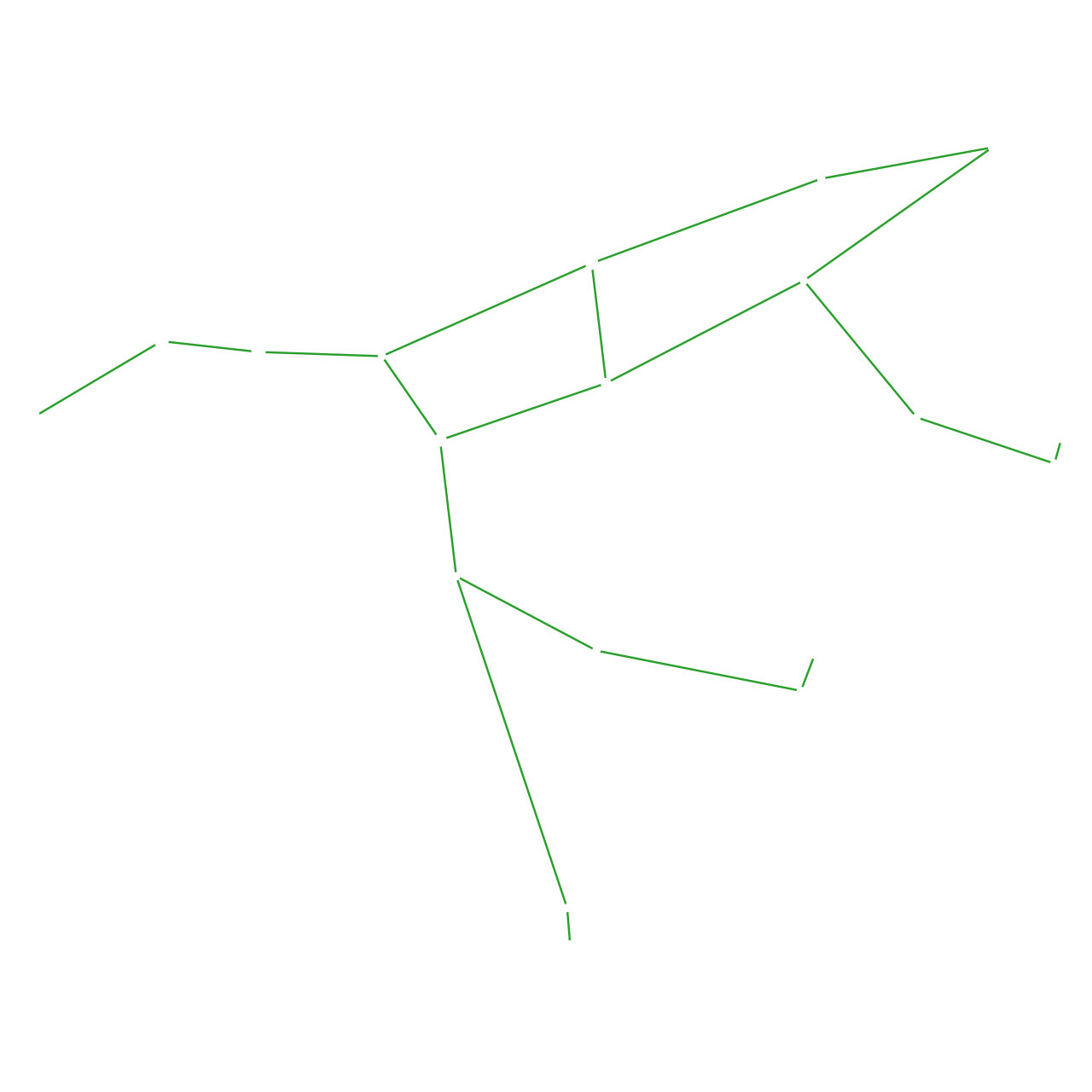
Constellation Ursha Major
CONSTELLATION URSA MAJOR
THE GREAT BEAR & THE BIG DIPPER
The Great Bear
Ursa Major is the third-largest constellation in the night sky, easily recognized by its famous Big Dipper asterism. Visible year-round in the northern hemisphere, it serves as an essential guide for locating Polaris.
The legendary asterism whose pointer stars guide observers directly to Polaris.
Ranked as the 3rd largest modern constellation by total sky coverage area.
The Great Bear
Celestial Giant. Ursa Major is the third-largest constellation in the night sky and one of the most easily recognizable patterns in the northern hemisphere.
Circumpolar Landmark: Because of its northern celestial position, it never sets below the horizon for most mid-to-high northern latitudes, serving as an all-night guide.
- 🐻 Third-largest constellation by area.
- 🌌 Visible year-round across northern skies.
The Big Dipper
A Familiar Shape. The most prominent feature of Ursa Major is the Big Dipper (or Plough), formed by its seven brightest stars mapping out a distinct ladle shape.
Celestial Pointer: The two stars at the outer edge of the bowl—Merak and Dubhe—act as pointer stars, drawing a straight line directly toward Polaris, the North Star.
- 🥄 Seven bright stars forming the iconic ladle.
- 🧭 Direct pointers to the celestial pole.
Mizar and Alcor
Visual Binary Test. Located in the bend of the Dipper's handle, Mizar and its faint companion Alcor form a famous optical double star historically used as an eyesight test.
Complex Multi-Star System: Modern astrophysics reveals that Mizar is actually a quadruple star system, and Alcor is a binary, making this a six-star complex.
- 👁️ Historic naked-eye sharpness test.
- ✨ Sextuple star system dynamics.
Stellar Association
Shared Origins. Most of the stars in the Big Dipper (excluding Dubhe and Alkaid) share a common motion through space, belonging to the Ursa Major Moving Group.
Cosmic Drift: These stars were born together from the same giant molecular cloud and continue to travel through the galaxy in a loose cluster.
- 🌐 Group of stars sharing a trajectory.
- 💫 Common birth cloud origin.
Galactic Pair
M81 and M82. Ursa Major hosts a famous pair of interacting galaxies: Bode's Galaxy (M81), a majestic spiral, and the Cigar Galaxy (M82), a starburst galaxy.
Gravitational Tug-of-War: Passing close to each other over millions of years, their gravitational interaction triggers intense bursts of star formation in M82.
- 🌌 Bode's majestic grand-design spiral.
- 💥 Cigar starburst galaxy activity.
Mythological Origins
Callisto's Transformation. Greek mythology tells the tale of the nymph Callisto, transformed into a bear by Hera before being placed safely into the night sky by Zeus.
Global Folklore: Across numerous Native American and indigenous traditions, the constellation's stars were similarly envisioned as a great bear pursued by hunters.
- 📜 Greco-Roman nymph and bear legend.
- 🌲 Diverse indigenous cultural interpretations.
The Owl Nebula
Messier 97. Nestled within Ursa Major lies the Owl Nebula, a striking planetary nebula formed when a dying sun-like star gently expelled its outer gaseous envelopes.
Ghostly Visage: Its circular disk features two dark patches resembling the eyes of an owl when viewed through large amateur telescopes.
- 🦉 Distinctive twin dark eye cavities.
- ✨ Expanding shell of ionized stellar gas.
Celestial Compass
Pathfinder of the North. For centuries across land and sea, travelers relied on the constant presence of Ursa Major to locate true north and orient their direction.
Seasonal Rotation: As the Earth turns, the constellation circles counterclockwise around Polaris, functioning as a giant natural clock in the night sky.
- 🧭 Essential navigational tool for travelers.
- 🕒 Acts as a seasonal celestial clock.
Cosmic Laboratory
Deep Space Window. Because Ursa Major sits away from the obscuring gas clouds of the Milky Way plane, astronomers have an unobstructed view into deep cosmological space.
Enduring Significance: From ancient myth to deep-field galactic surveys, Ursa Major remains one of the most vital windows into understanding our expanding universe.
- 🔬 Clear window for deep extragalactic surveys.
- ✨ Benchmark structure for stellar evolution.
Legacy of the Great Bear 📜
Sources
ALIOTH
The brightest star in Ursa Major. An A-type star of magnitude 1.77, located about 81 light-years away in the handle of the Big Dipper.
ALIOTH DATAM81 & M82
Bode’s Galaxy (M81) and the Cigar Galaxy (M82) form one of the finest galaxy pairs in the sky, easily visible in binoculars and small telescopes.
GALAXY PAIRM101 PINWHEEL
A grand face-on spiral galaxy and one of the most beautiful deep-sky objects in Ursa Major, located near the end of the Big Dipper’s handle.
PINWHEEL DATANorthern Sky View

The Great Bear with the Big Dipper clearly visible, pointing toward Polaris.
Official Boundaries
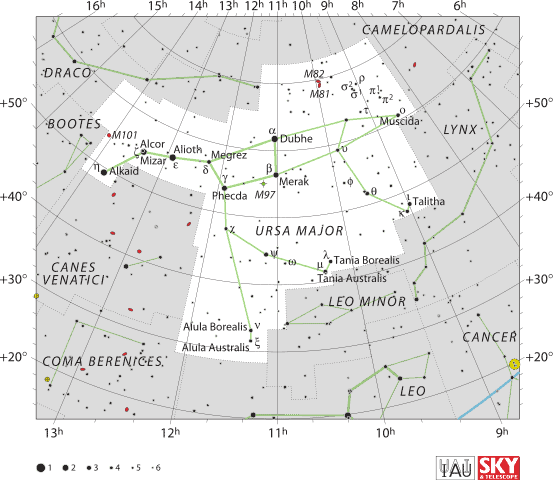
Official IAU chart showing Ursa Major’s vast boundaries among Draco, Lynx, Leo and Boötes.
Annotated Chart
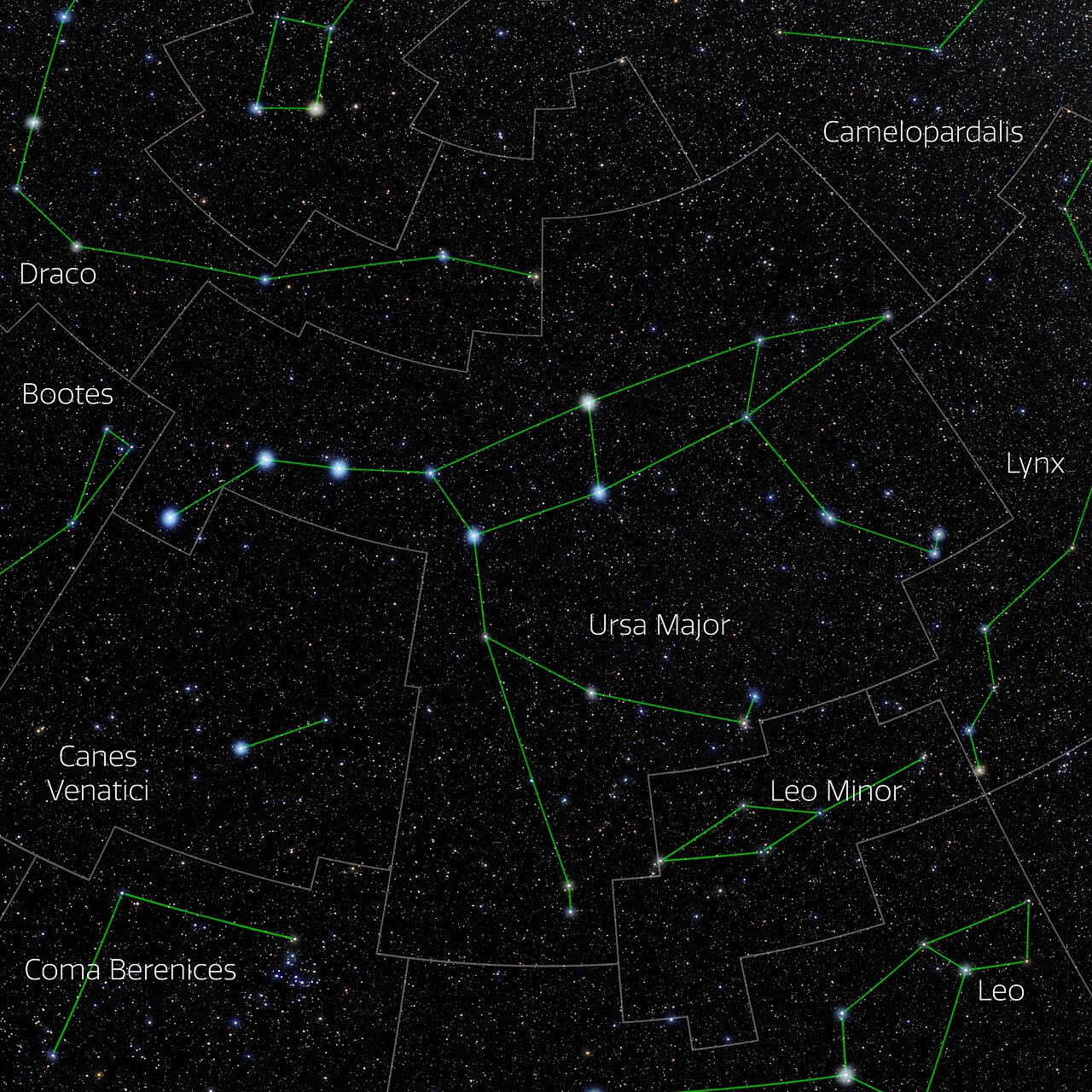
Detailed mapping of the Big Dipper stars, M81, M82, M101 and surrounding deep-sky objects.
Ursa Major Constellation • Bright Stars
The Great Bear • Main Stars Ranked by Apparent MagnitudeUrsa Major is one of the most famous northern constellations. Its seven brightest stars form the Big Dipper (or Plough), one of the most recognizable asterisms in the night sky.
| Star | Magnitude | Distance |
|---|---|---|
|
Alioth ε UMa
Epsilon Ursae Majoris • Brightest in Ursa Major
|
0 | 0 ly |
|
Dubhe α UMa
Alpha Ursae Majoris
|
0 | 0 ly |
|
Alkaid η UMa
Eta Ursae Majoris • Benetnasch
|
0 | 0 ly |
|
Mizar ζ UMa
Zeta Ursae Majoris
|
0 | 0 ly |
|
Merak β UMa
Beta Ursae Majoris
|
0 | 0 ly |
|
Phecda γ UMa
Gamma Ursae Majoris
|
0 | 0 ly |
|
Psi Ursae Majoris ψ UMa
Orange giant
|
0 | 0 ly |
|
Tania Australis μ UMa
Mu Ursae Majoris
|
0 | 0 ly |
|
Talitha ι UMa
Iota Ursae Majoris
|
0 | 0 ly |
|
Megrez δ UMa
Delta Ursae Majoris
|
0 | 0 ly |
Best months to view
Ursa Major
Ursa Major, the Great Bear, contains the famous Big Dipper asterism. It is circumpolar for most of the Northern Hemisphere (never sets) and reaches its highest point in the evening sky during spring. Best viewed from March through June, with April offering the most convenient high placement. Visible down to about 30°S.
Peak Season
March – June. April is ideal when the Big Dipper rides high in the northern evening sky, perfect for galaxy hunting.
Moon-free nights
Important for the many galaxies (M81, M82, M101, M51). The bright Big Dipper stars themselves remain easy under moderate moonlight.
How to find it
Look for the distinctive Big Dipper (saucepan) shape in the northern sky. The two pointer stars at the end of the bowl lead straight to Polaris.
Recommended Tools
View AllLoading recommended tools...
Polar Bear Constellation Dashboard: a celestial way to study space and view Ursa Major at night
Designed especially for polar bear lovers and astronomy enthusiasts, explore the mythology, tracking guides, and optimal viewing times to spot Ursa Major and northern circumpolar constellations in the night sky seamlessly.
Open Polar Bear DashboardExplore More!
Andromeda

Antlia

Apus

Aquarius

Aquila

Ara

Aries

Auriga

Bootes

Caelum
Camelopardalis

Cancer

Canes Venatici

Canis Major

Canis Minor

Ursa Major (The Big Bear)

Cassiopeia

Centaurus

Cepheus

Cetus (The Whale)

Chamaeleon

Circinus

Columba

Coma Berenices

Corona Australis

Corona Borealis

Corvus

Crater

Crux

Cygnus

Delphinus
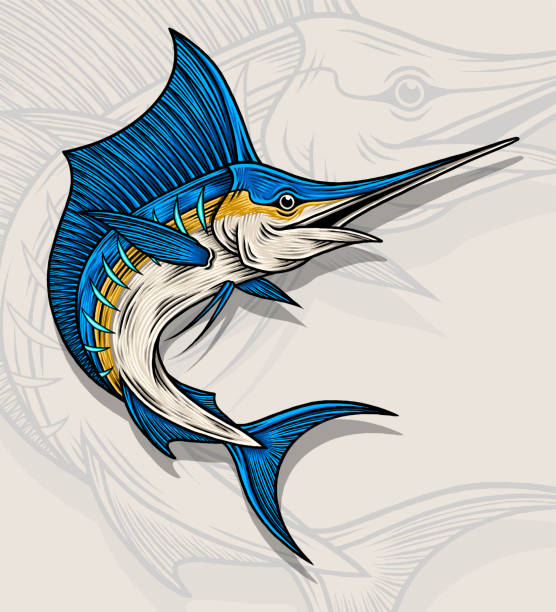
Dorado

Draco

Equuleus

Eridanus

Fornax

Gemini

Grus (The Crane)

Hercules

Horologium (The Clock)

Hydra

Hydrus

Indus
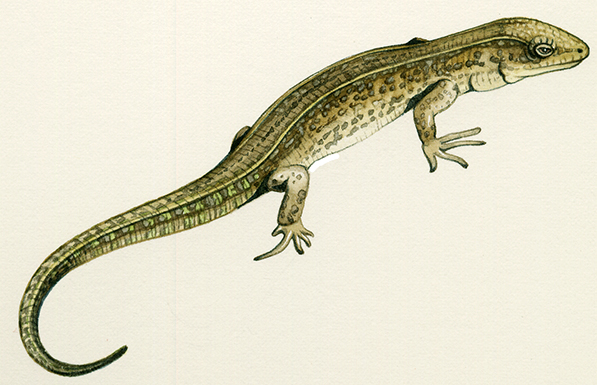
Lacerta

Leo

Leo Minor

Lepus (The Hare)

Libra

Lupus (The Wolf)

Lynx

Lyra

Mensa

Microscopium

Monoceros (The Unicorn)

Musca (The Fly)

Norma
Octans

Ophiuchus
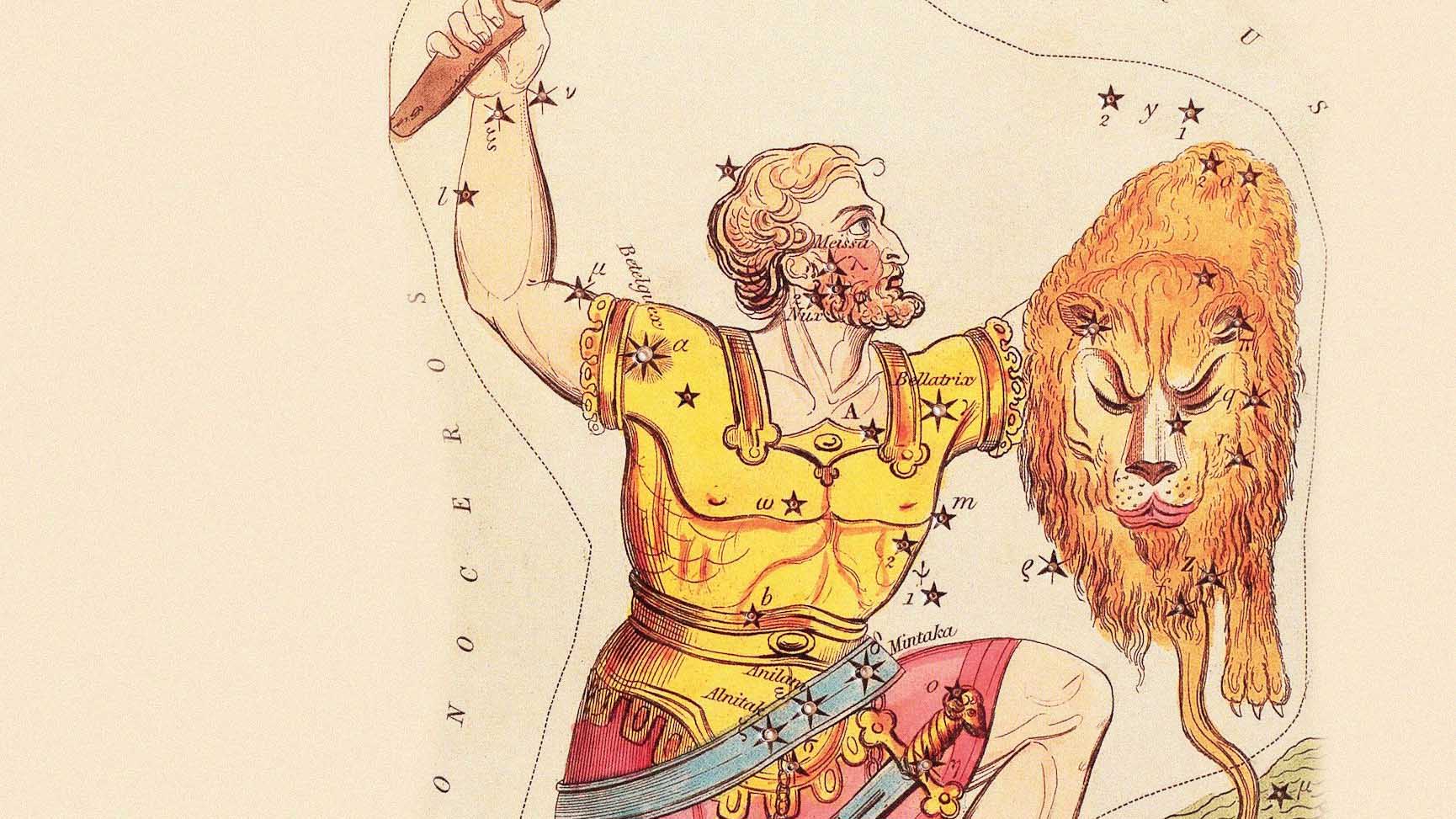
Orion (The Hunter)

Pavo (The Peacock)

Pegasus

Perseus

Phoenix
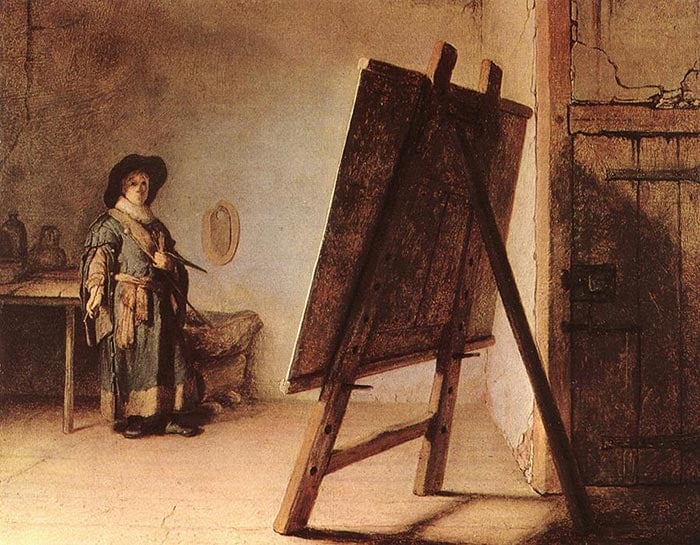
Pictor

Pisces

Piscis Austrinus

Puppis

Pyxis

Reticulum

Sagitta

Sagittarius

Scorpius

Sculptor

Scutum

Serpens

Sextans

Taurus

Telescopium

Triangulum

Triangulum Australe
Tucana

Ursa Minor

Vela (The Sails)

Virgo

Volans (Flying Fish)

Vulpecula (The Fox)
