
Constellation Chamaeleon
CONSTELLATION CHAMAELEON
THE SOUTHERN LIZARD & STELLAR NURSERIES
The Southern Chameleon
Chamaeleon is a faint constellation located deep in the southern celestial hemisphere. Introduced by Dutch astronomers in the late 16th century, it is positioned near the south celestial pole and contains rich dark molecular clouds.
A white main-sequence star situated roughly 63 light-years away from Earth.
Ranked as the 79th largest modern constellation out of all 88 standardized sectors.
Chameleon Sync
Molecular Cloud Mapping. Analyzing the Cha I/II/III star-forming constants. New Horizons monitors the circumpolar dark nodes to track this adaptive southern vector.
- 🦎 Identity: The Chamaeleon (Adaptive Southern Predator).
- 🌑 Dark Clouds: Massive Cold Gas Reservoir Vectors.
- 🌀 Nature: Deep Polar Circumpolar Grid Node.
Origin Sync
Navigational Grid Mapping. Analyzing the 1595 Dutch cartography constant. New Horizons monitors the Keyser-Houtman nodes to track this modern southern vector.
- 🚢 History: First mapped by Keyser & de Houtman.
- 🦎 Biology: Honoring the Adaptive Color-Shift Logic.
- 🗺️ Era: Part of the "Plancius 12" Southern Node Set.
Beacon Sync
Luminosity Threshold Mapping. Analyzing the 4.07 magnitude limit. New Horizons monitors the low-intensity photon stream to track these faint southern nodes.
- 🕯️ Alpha Cha: Primary Magnitude Anchor (4.07).
- 🌌 Visibility: Requires Bortle Class 1-3 Dark Skies.
- 📉 Spectrum: F-type White Main-Sequence Vector.
Nursery Sync
Protostellar Array Mapping. Analyzing the Cha I/II/III cloud density constant. New Horizons monitors the cold dust collapse vectors to track these high-priority stellar birth nodes.
- 👶 T Tauri Stars: Newly Formed Sun-like Progenitor Nodes.
- ☁️ Cha Complex: Proximal Molecular Cloud Reservoir.
- 🔭 Proximity: Deep-Sky Analysis at ~500 Light-Years.
Legacy of the Chameleon 📜
Sources
ALPHA CHAMAELEONTIS
The brightest star in this faint constellation is a white main-sequence star. It is roughly **63 light-years** away from our solar system.
ALPHA DATACHAMAELEON CLOUD
A large star-forming region (dark nebula) containing low-mass stars. It is one of the closest active molecular clouds to the Sun.
NEBULA DATANGC 3195
A bright planetary nebula located between Delta and Zeta Chamaeleontis. It is the southernmost of all relatively bright planetary nebulae.
DEEP SKYSouthern Sky View

Locating Chamaeleon near the South Celestial Pole, surrounded by Octans and Musca.
Official Boundaries

Official IAU survey showing its position among the faint stars of the deep south.
Annotated Chart

Mapping of Alpha, Beta, and Gamma Chamaeleontis alongside the Chamaeleon Cloud complex.
Chamaeleon Constellation • Bright Stars
The Chameleon • Main Stars Ranked by Apparent MagnitudeChamaeleon is a small, faint southern constellation near the south celestial pole. It has no stars brighter than magnitude 4.0 and is best observed from the Southern Hemisphere year-round.
| Star | Magnitude | Distance |
|---|---|---|
|
Alpha Chamaeleontis α Cha
Brightest star in Chamaeleon
|
0 | 0 ly |
|
Gamma Chamaeleontis γ Cha
Second brightest
|
0 | 0 ly |
|
Beta Chamaeleontis β Cha
Blue main-sequence
|
0 | 0 ly |
|
Theta Chamaeleontis θ Cha
Orange giant
|
0 | 0 ly |
|
Delta² Chamaeleontis δ² Cha
Blue subgiant
|
0 | 0 ly |
|
Epsilon Chamaeleontis ε Cha
Double star
|
0 | 0 ly |
|
Kappa Chamaeleontis κ Cha
Orange giant
|
0 | 0 ly |
|
Zeta Chamaeleontis ζ Cha
Blue star
|
0 | 0 ly |
|
Iota Chamaeleontis ι Cha
Yellow-white star
|
0 | 0 ly |
|
Delta¹ Chamaeleontis δ¹ Cha
Orange giant
|
0 | 0 ly |
Recommended Tools
View AllLoading recommended tools...
Explore More!
Andromeda

Antlia

Apus

Aquarius

Aquila

Ara

Aries

Auriga

Bootes

Caelum
Camelopardalis

Cancer

Canes Venatici

Canis Major

Canis Minor

Ursa Major (The Big Bear)

Cassiopeia

Centaurus

Cepheus

Cetus (The Whale)

Chamaeleon

Circinus

Columba

Coma Berenices

Corona Australis

Corona Borealis

Corvus

Crater

Crux

Cygnus

Delphinus
Dorado
Draco

Equuleus

Eridanus

Fornax

Gemini

Grus (The Crane)

Hercules

Horologium (The Clock)

Hydra

Hydrus

Indus
Lacerta

Leo

Leo Minor

Lepus (The Hare)

Libra

Lupus (The Wolf)

Lynx

Lyra

Mensa

Microscopium

Monoceros (The Unicorn)

Musca (The Fly)

Norma
Octans

Ophiuchus
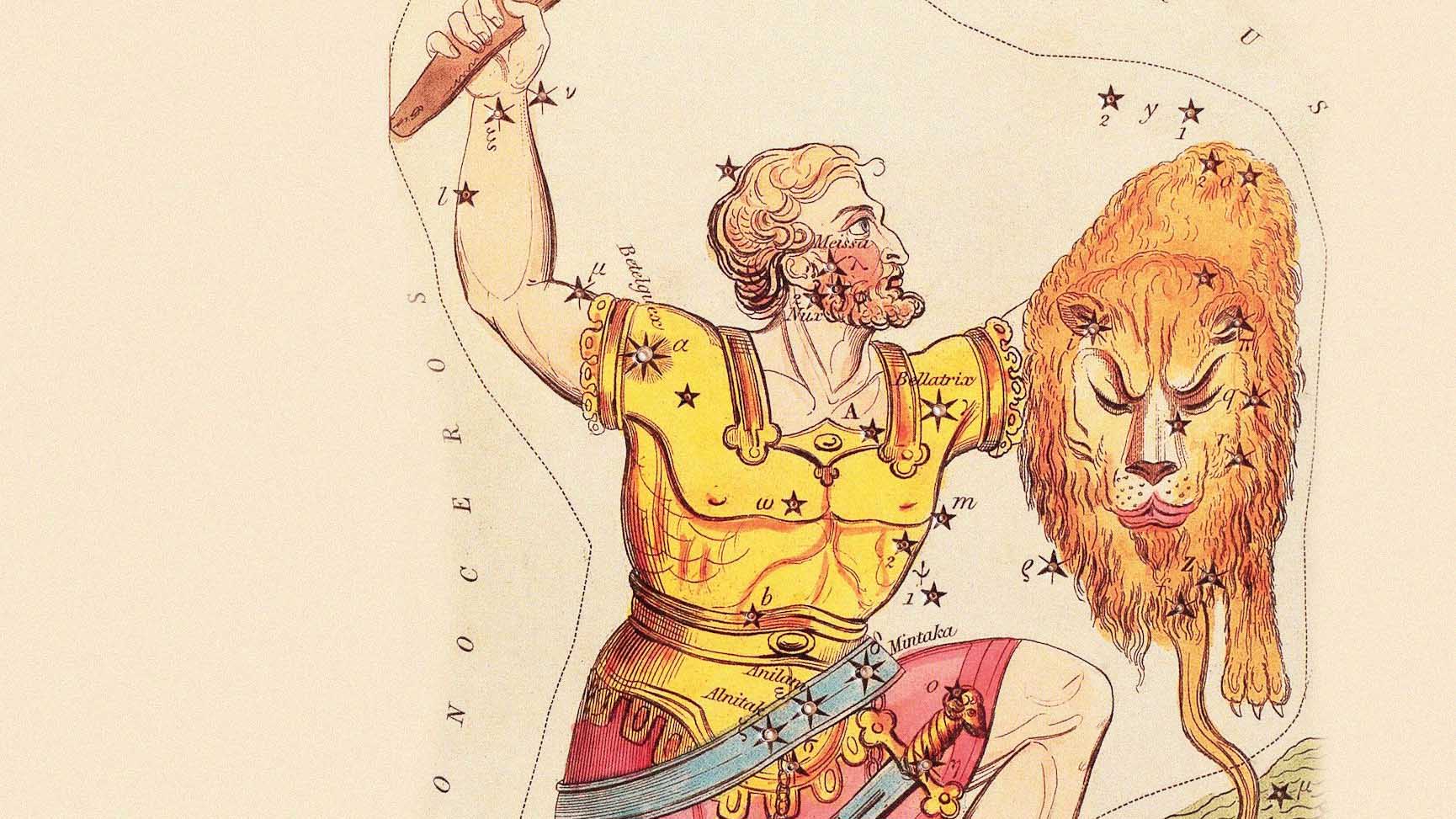
Orion (The Hunter)

Pavo (The Peacock)

Pegasus

Perseus

Phoenix

Pictor
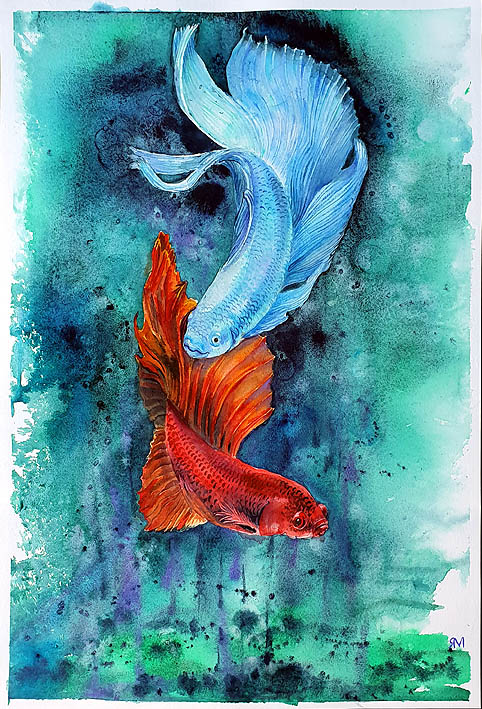
Pisces

Piscis Austrinus

Puppis

Pyxis

Reticulum

Sagitta

Sagittarius

Scorpius

Sculptor

Scutum

Serpens

Sextans

Taurus

Telescopium

Triangulum

Triangulum Australe
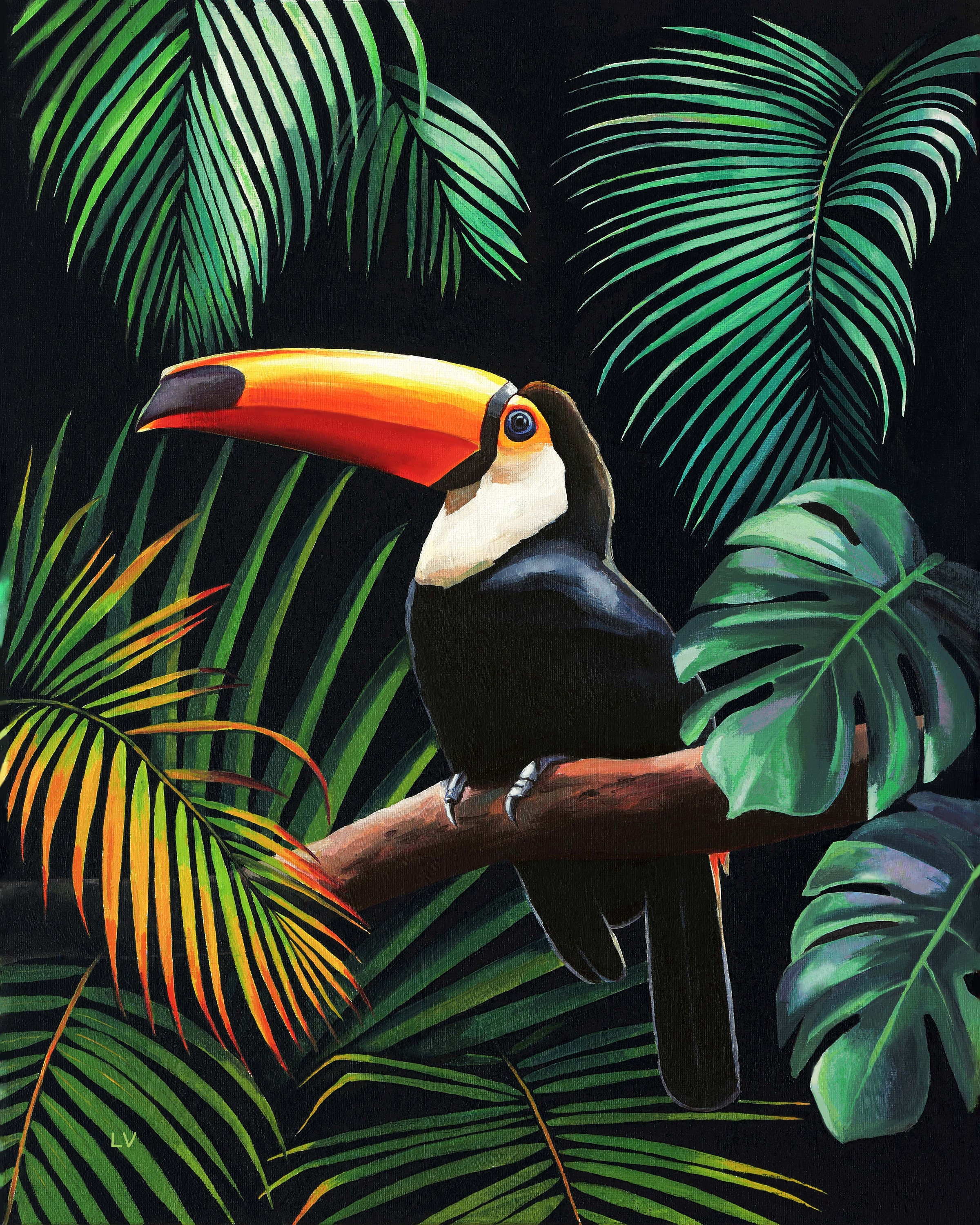
Tucana

Ursa Minor

Vela (The Sails)

Virgo
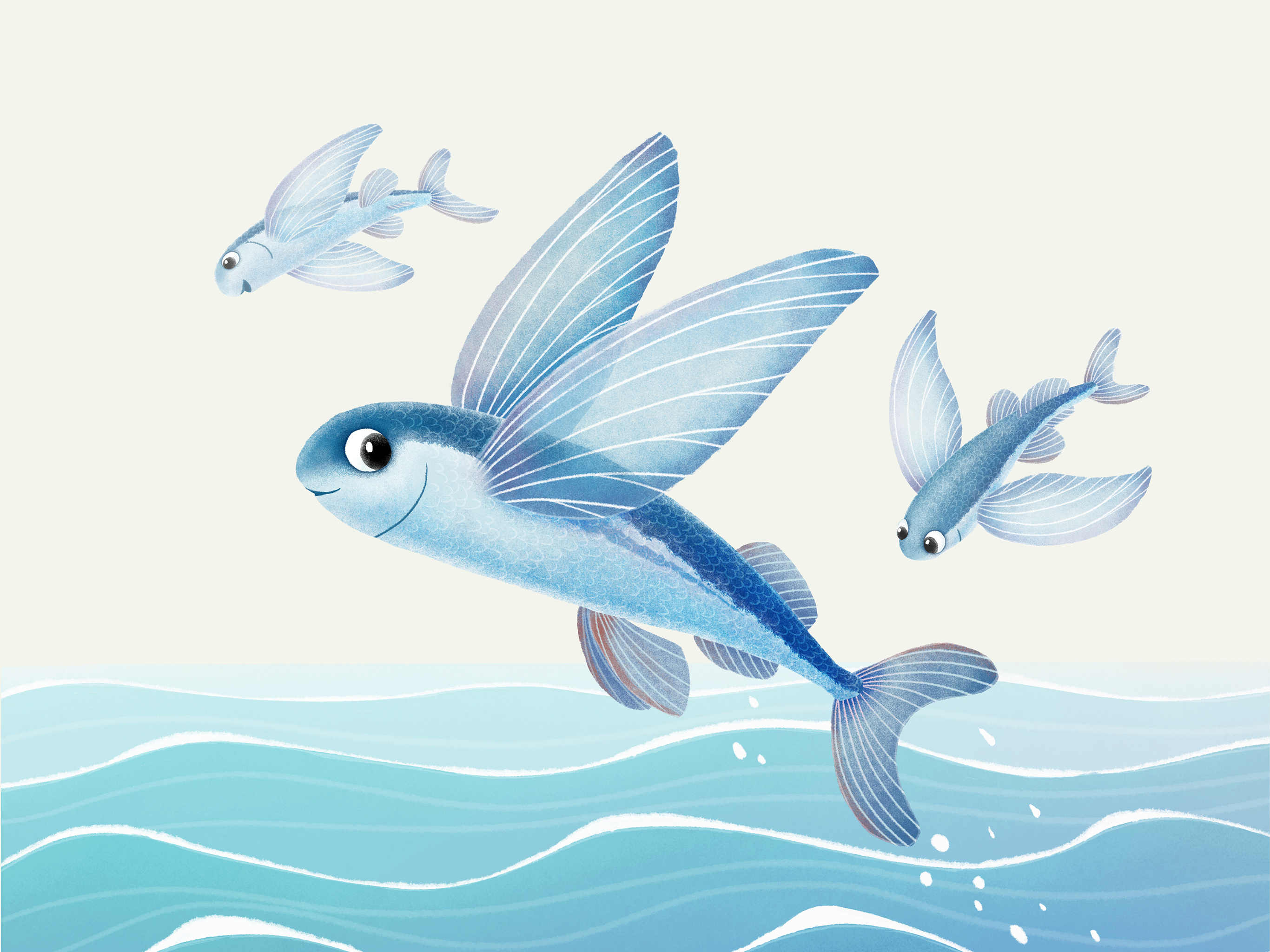
Volans (Flying Fish)

Vulpecula (The Fox)
