
Constellation Apus
CONSTELLATION APUS
THE BIRD OF PARADISE & FAR SOUTHERN SKIES
The Bird of Paradise
Situated deep in the southern circumpolar sky, Apus represents the exotic bird of paradise. Introduced by Dutch navigators Pieter Dirkszoon Keyser and Cornelis de Houtman in the late 16th century, it features quiet, pristine stellar fields far removed from urban light pollution.
An orange giant star situated approximately 410 light-years away from Earth.
Ranked as the 67th largest modern constellation by total celestial coverage area.
Apus Sync
Avian Trajectory Mapping. Analyzing the Circumpolar constant of the "Footless Bird." New Horizons monitors the Alpha Apodis spectral Horizons to track this deep southern vector.
- 🦚 Legacy: The Bird of Paradise (Apous).
- 🔭 Deep Sky: NGC 6101 Globular Cluster.
- 📐 Position: Near the South Celestial Pole.
Paradise Sync
Plancius Coordinate Mapping. Analyzing the 16th-century southern cartography constant. New Horizons monitors the Circumpolar Drift to track the bird’s eternal rotation around the South Pole.
- 📜 History: Mapped by Petrus Plancius (1598).
- 🧭 Position: Deep Southern Circumpolar.
- ❄️ Location: Visible only from the South.
Triad Sync
Spectral Cluster Mapping. Analyzing the geometric triad formed by Alpha, Beta, and Gamma. New Horizons monitors the 4.0 magnitude threshold to track this faint southern alignment.
- 📐 Pattern: Faint Triangular Formation.
- 🌟 Luminosity: 4th Magnitude Threshold.
- 📍 Nodes: Alpha, Beta, & Gamma Apodis.
Horizon Sync
July Visibility Mapping. Analyzing the southern circumpolar boundary near Octans and Musca. New Horizons monitors the Latitudinal Cutoff to track the Northern Hemisphere invisibility limit.
- 📅 Peak: Optimal Observation in July.
- 🪰 Borders: Musca (The Fly) & Octans.
- 🚫 Exclusion: Hidden from Northern Observers.
Legacy of the Bird of Paradise 📜
Sources
ALPHA APODIS
The brightest star is an Orange Giant (~430 light-years away). It represents the base of the bird's tail. Its name **Paradys** means "Paradise."
STAR SPECSETIMOLOGY
Derived from the Greek *apous* ("without feet"). Early explorers believed the Bird of Paradise spent its whole life flying and never touched the ground.
HISTORICAL DATADEEP SKY GEMS
Hosts **NGC 6101**, a globular cluster roughly 50,000 light-years away. Interestingly, this cluster is known for its high concentration of black holes.
CLUSTER INFOMythical Outline
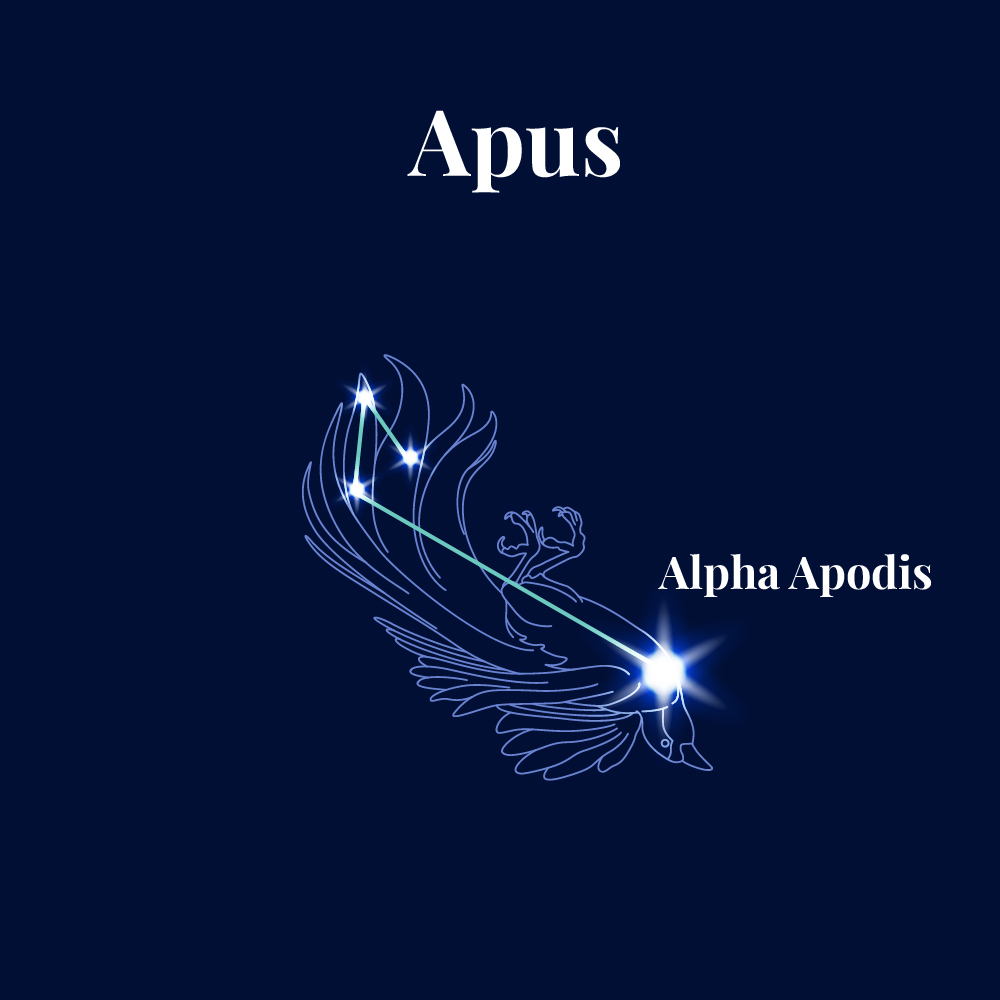
Visualization of the celestial Bird of Paradise and its primary stellar structure.
Primary Stars
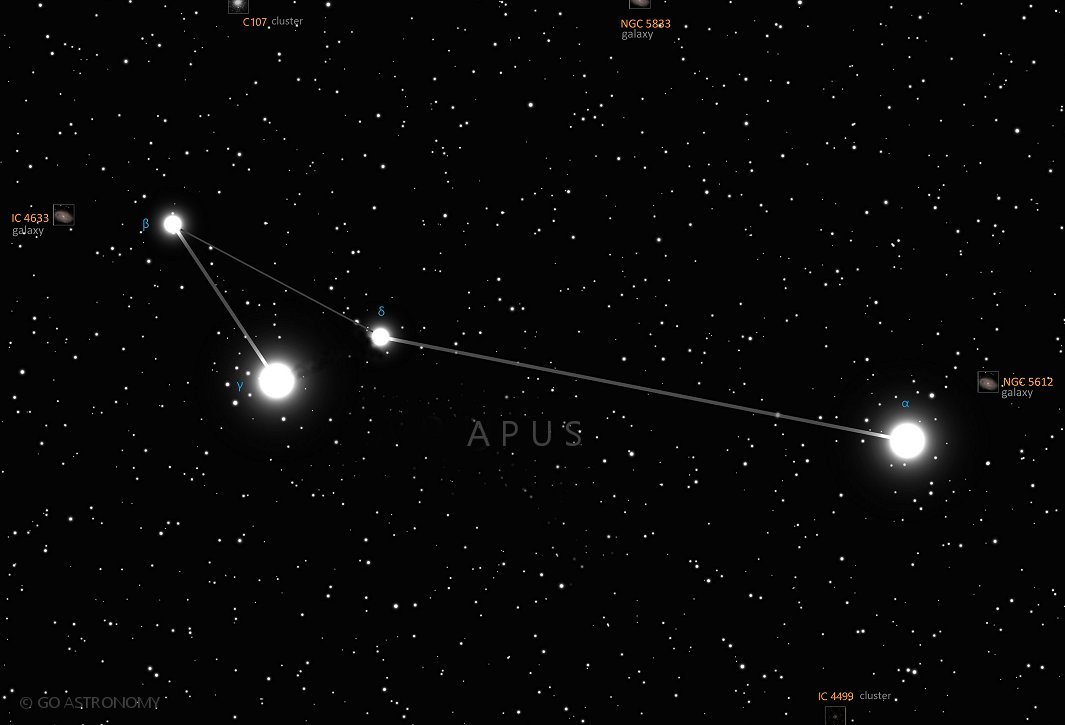
Highlighting Alpha Apodis, the brightest star in this southern constellation.
Celestial Map
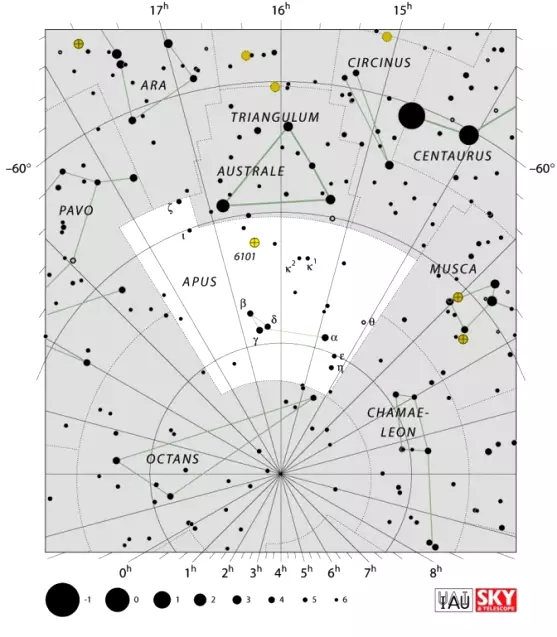
Detailed IAU map showing Apus bordering Octans, the southern celestial pole.
Apus Constellation • Bright Stars
The Bird of Paradise • Main Stars Ranked by Apparent MagnitudeApus is a small, faint southern circumpolar constellation. Its brightest star, Alpha Apodis (Paradys), is only magnitude 3.8. Best viewed from the Southern Hemisphere year-round.
| Star | Magnitude | Distance |
|---|---|---|
|
Alpha Apodis α Aps
Paradys • Brightest in Apus
|
0 | 0 ly |
|
Gamma Apodis γ Aps
Second brightest
|
0 | 0 ly |
|
Beta Apodis β Aps
Third brightest
|
0 | 0 ly |
|
Delta¹ Apodis δ¹ Aps
Variable red giant
|
0 | 0 ly |
|
Zeta Apodis ζ Aps
Orange giant
|
0 | 0 ly |
|
Eta Apodis η Aps
Metallic-line star
|
0 | 0 ly |
|
Epsilon Apodis ε Aps
Hot main-sequence
|
0 | 0 ly |
|
Delta² Apodis δ² Aps
Companion to δ¹
|
0 | 0 ly |
|
Iota Apodis ι Aps
Distant hot star
|
0 | 0 ly |
|
Kappa¹ Apodis κ¹ Aps
Multiple system
|
0 | 0 ly |
Best months to view
Apus
Apus, the Bird of Paradise, is a faint far-southern constellation lying close to the South Celestial Pole. It is circumpolar across much of the Southern Hemisphere and completely invisible from most northern latitudes. The best evening views come during southern winter — especially June and July — when it sits high in the southern sky under dark, clear conditions.
Peak Season
May – August (southern winter). July offers the highest altitude and longest dark evenings for southern observers.
Moon-free nights
Choose nights around new moon. Apus has no bright stars, so even modest moonlight makes the constellation much harder to trace.
How to find it
Look south of Triangulum Australe toward the South Celestial Pole (in Octans). The brightest star is only magnitude 3.8 — dark skies and binoculars help.
Recommended Tools
View AllLoading recommended tools...
Explore More!
Andromeda

Antlia

Apus

Aquarius

Aquila

Ara

Aries

Auriga

Bootes

Caelum
Camelopardalis

Cancer

Canes Venatici

Canis Major

Canis Minor

Ursa Major (The Big Bear)

Cassiopeia

Centaurus

Cepheus

Cetus (The Whale)

Chamaeleon

Circinus

Columba

Coma Berenices

Corona Australis

Corona Borealis

Corvus

Crater

Crux

Cygnus

Delphinus
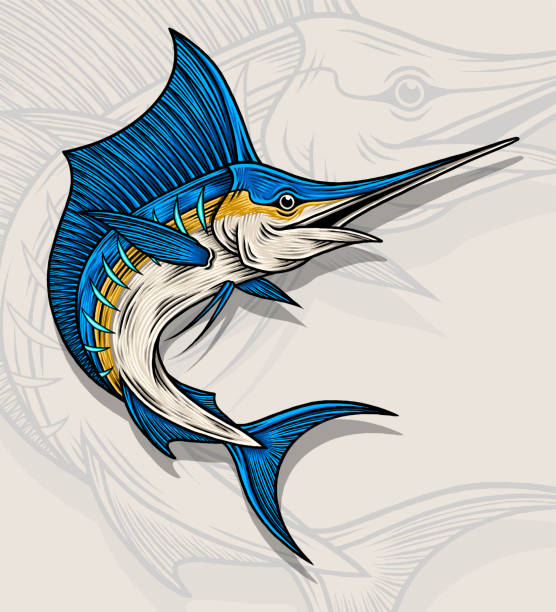
Dorado

Draco

Equuleus

Eridanus

Fornax

Gemini

Grus (The Crane)

Hercules

Horologium (The Clock)

Hydra

Hydrus

Indus
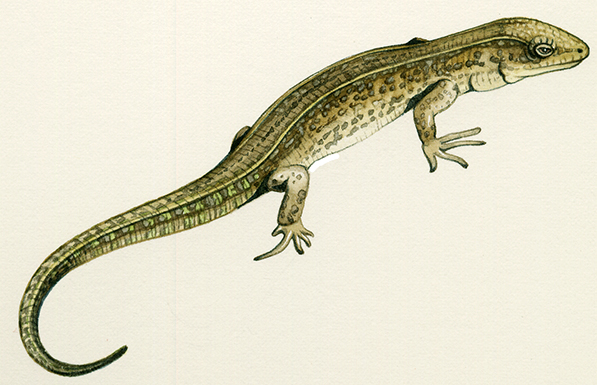
Lacerta

Leo

Leo Minor

Lepus (The Hare)

Libra

Lupus (The Wolf)

Lynx

Lyra

Mensa

Microscopium

Monoceros (The Unicorn)

Musca (The Fly)

Norma
Octans

Ophiuchus
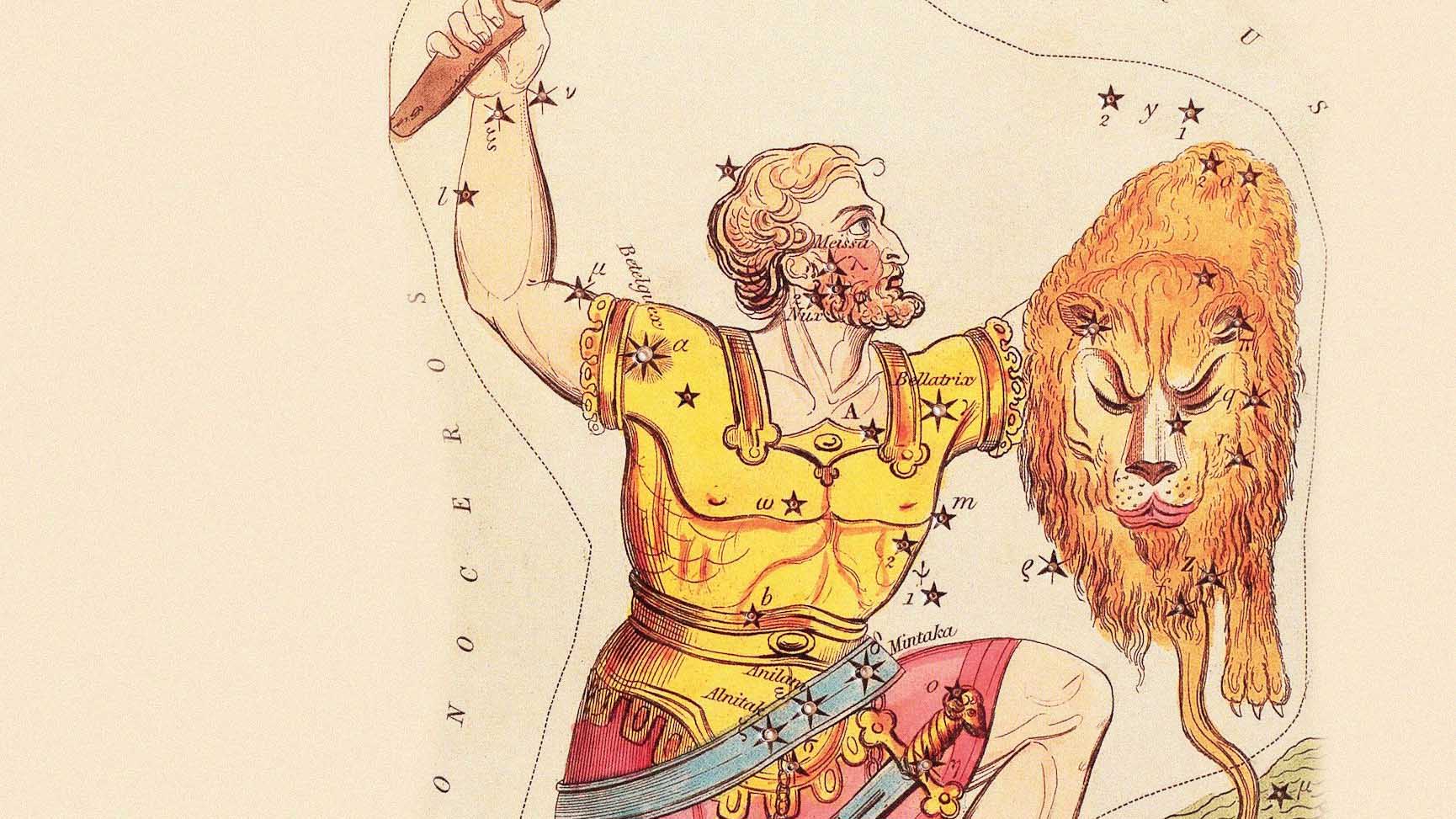
Orion (The Hunter)

Pavo (The Peacock)

Pegasus

Perseus

Phoenix

Pictor

Pisces

Piscis Austrinus

Puppis

Pyxis

Reticulum

Sagitta

Sagittarius

Scorpius

Sculptor

Scutum

Serpens

Sextans

Taurus

Telescopium

Triangulum

Triangulum Australe
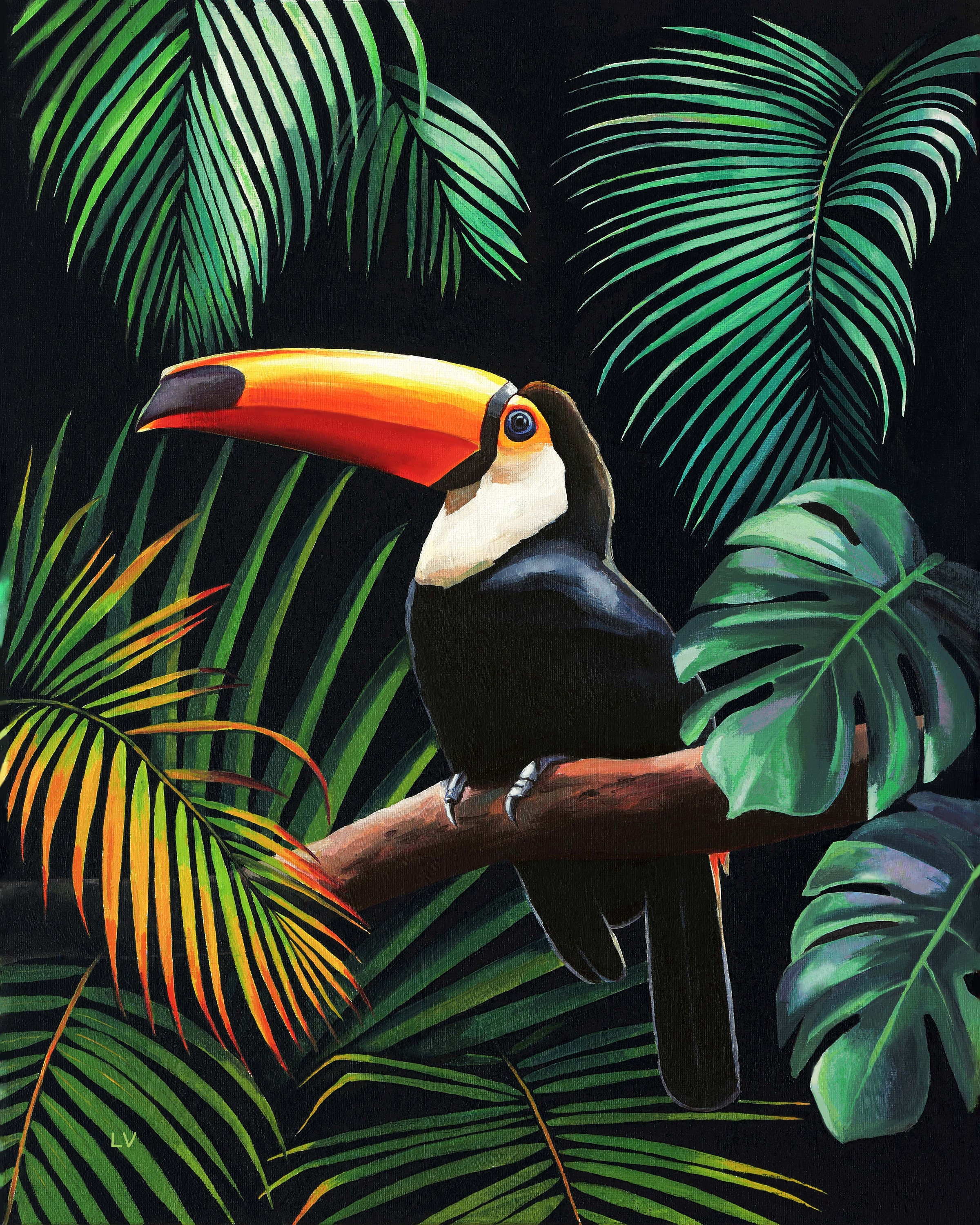
Tucana

Ursa Minor

Vela (The Sails)

Virgo

Volans (Flying Fish)

Vulpecula (The Fox)
