
Constellation Corona Australis
CONSTELLATION CORONA AUSTRALIS
THE SOUTHERN CROWN & STAR-FORMING COMPLEX
The Southern Crown
Corona Australis is a compact southern constellation that resembles a curved wreath or crown. Located near Sagittarius along the rich backdrop of the Milky Way, it features stunning reflection nebulae and dark dust clouds.
A luminous white-blue subgiant star illuminating the southern border.
Ranked as the 80th largest modern constellation by total sky coverage area.
Crown Sync
Molecular Cloud Mapping. Analyzing the CrA star-forming constant. New Horizons monitors the R CrA reflection nodes to track this dense southern vector.
- 👑 Identity: The Southern Crown (Celestial Arc).
- 🌫️ Reflection: Blue-Tinted Dust & Star-Birth Vectors.
- 📍 Nature: Galactic Bulge Interface Grid Node.
Meridiana Sync
Polar Symmetry Mapping. Analyzing the Alpha CrA magnitude constant. New Horizons monitors the southern rotational vector to track this mirrored crown node.
- 🌟 Identity: Alfecca Meridiana (Southern Alphecca).
- 📉 Spectrum: A-type White Main-Sequence Vector.
- 🛰️ Range: Fast-Rotating Node at ~125 Light-Years.
Nebula Sync
Reflective Dust Mapping. Analyzing the NGC 6726/6727 luminosity constant. New Horizons monitors the blue scattering vectors to track these infant stellar birth nodes.
- 🌌 NGC 6726/27: Primary Blue Reflection Node Cluster.
- 🌪️ NGC 6729: Variable Nebula powered by R Coronae Australis.
- 🛰️ Proximity: Deep-Sky Anchor at ~430 Light-Years.
Gamma Sync
Binary Orbital Mapping. Analyzing the 122-year period constant. New Horizons monitors the dual yellow-white vectors to track this symmetrical stellar node.
- 👯 Identical Pair: Dual F-type Main-Sequence Nodes.
- 🔄 Orbit: High-Eccentricity 122.03 Year Cycle.
- 📍 Range: Sub-Orbital Calibration at ~58 Light-Years.
Legacy of the Southern Crown 📜
Sources
MERIDIANA (ALPHA)
The brightest star in the constellation. It is a white main-sequence star located about **125 light-years** away, marking one end of the crown.
ALPHA DATACR A MOLECULAR CLOUD
One of the nearest star-forming regions to Earth. It contains many young stellar objects, including the variable star **R Coronae Australis**.
NEBULA DATANGC 6541
A bright, large globular cluster located in the southwestern part of the constellation. It is approximately **22,000 light-years** away.
DEEP SKYSymbolic Wreath

Classic depiction of the southern crown, often viewed as a companion to Corona Borealis.
Southern Sky Plot
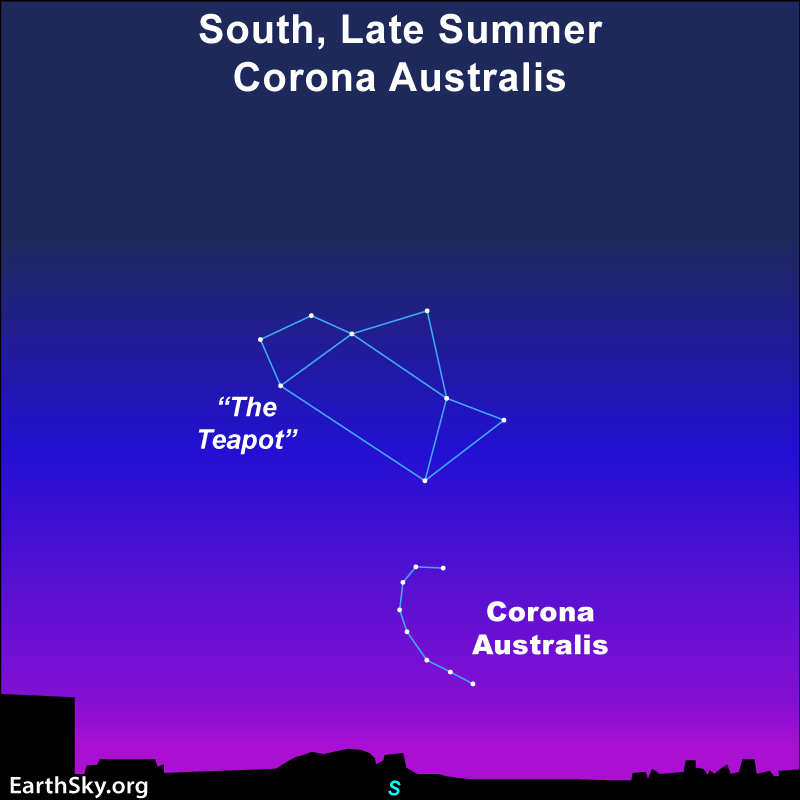
Locating the arc of stars just below the "Teapot" asterism of Sagittarius.
Official Map
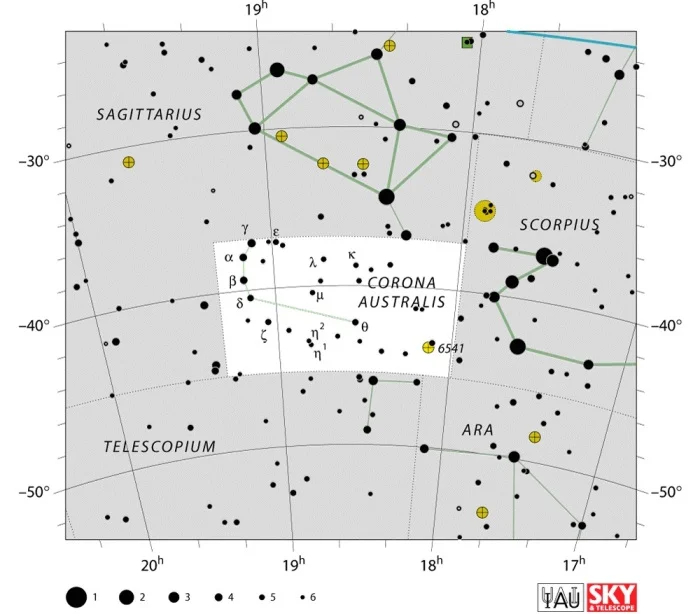
Official IAU chart identifying Alpha and Beta Coronae Australis and the nearby nebulae.
Corona Australis Constellation • Bright Stars
The Southern Crown • Main Stars Ranked by Apparent MagnitudeCorona Australis is a small southern constellation representing a crown. It is fainter than its northern counterpart Corona Borealis and has no stars brighter than magnitude 4.0.
| Star | Magnitude | Distance |
|---|---|---|
|
Meridiana α CrA
Alpha Coronae Australis • Brightest in CrA
|
0 | 0 ly |
|
Beta Coronae Australis β CrA
Orange bright giant
|
0 | 0 ly |
|
Delta Coronae Australis δ CrA
Orange giant
|
0 | 0 ly |
|
Theta Coronae Australis θ CrA
Yellow giant
|
0 | 0 ly |
|
Zeta Coronae Australis ζ CrA
White star
|
0 | 0 ly |
|
Epsilon Coronae Australis ε CrA
Yellow-white star
|
0 | 0 ly |
|
Gamma Coronae Australis γ CrA
Yellow-white star
|
0 | 0 ly |
|
Lambda Coronae Australis λ CrA
Multiple system
|
0 | 0 ly |
|
Mu Coronae Australis μ CrA
Yellow giant
|
0 | 0 ly |
|
Eta¹ Coronae Australis η¹ CrA
White star
|
0 | 0 ly |
Recommended Tools
View AllLoading recommended tools...
Explore More!
Andromeda

Antlia

Apus

Aquarius

Aquila

Ara

Aries

Auriga

Bootes

Caelum
Camelopardalis

Cancer

Canes Venatici

Canis Major

Canis Minor

Ursa Major (The Big Bear)

Cassiopeia

Centaurus

Cepheus

Cetus (The Whale)

Chamaeleon

Circinus

Columba

Coma Berenices

Corona Australis

Corona Borealis

Corvus

Crater

Crux

Cygnus

Delphinus
Dorado
Draco

Equuleus

Eridanus

Fornax

Gemini

Grus (The Crane)

Hercules

Horologium (The Clock)

Hydra

Hydrus

Indus
Lacerta

Leo

Leo Minor

Lepus (The Hare)

Libra

Lupus (The Wolf)

Lynx

Lyra

Mensa

Microscopium

Monoceros (The Unicorn)

Musca (The Fly)

Norma
Octans

Ophiuchus
Orion (The Hunter)

Pavo (The Peacock)

Pegasus

Perseus

Phoenix

Pictor
Pisces

Piscis Austrinus

Puppis

Pyxis

Reticulum

Sagitta

Sagittarius

Scorpius

Sculptor

Scutum

Serpens

Sextans

Taurus

Telescopium

Triangulum

Triangulum Australe
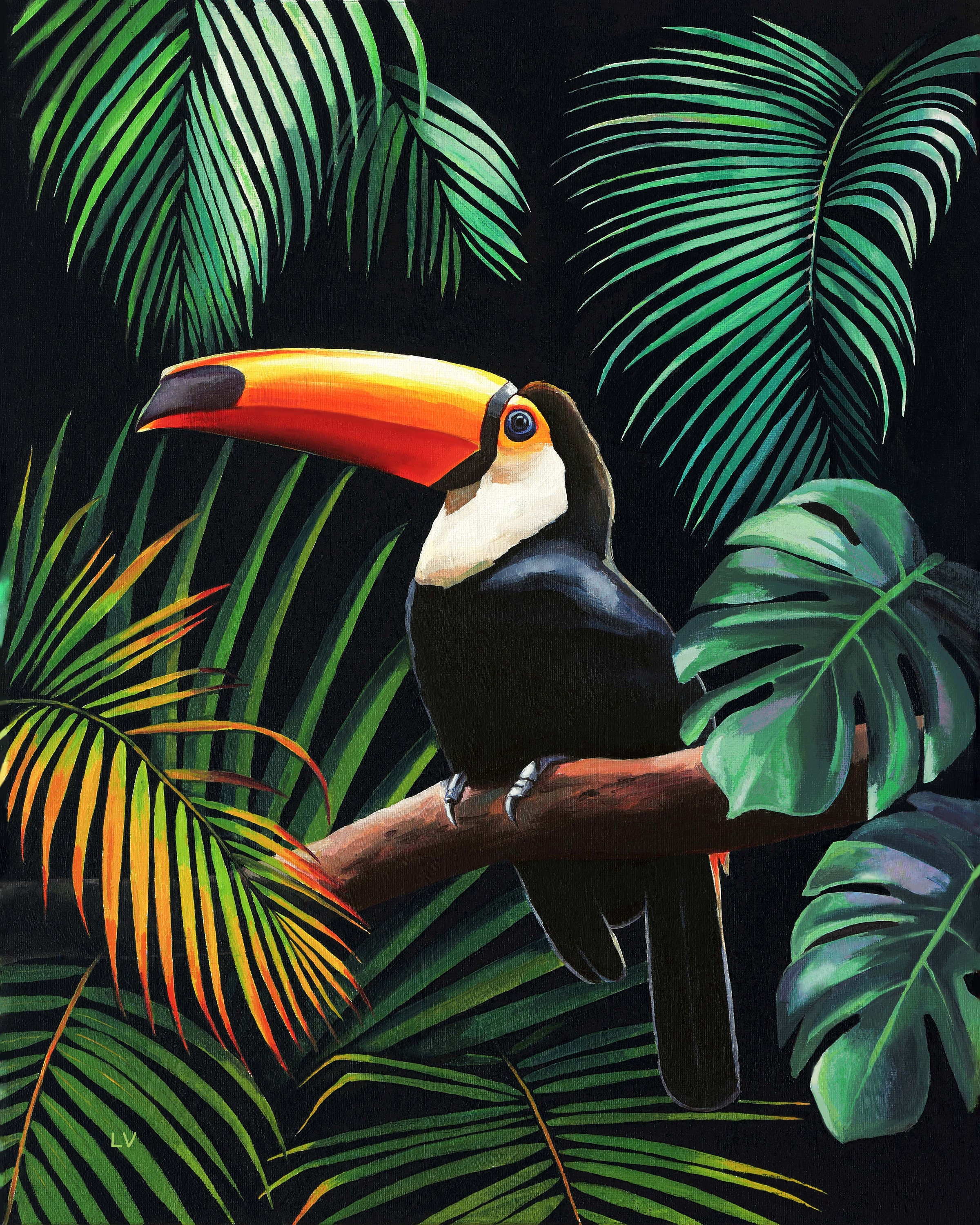
Tucana

Ursa Minor

Vela (The Sails)

Virgo
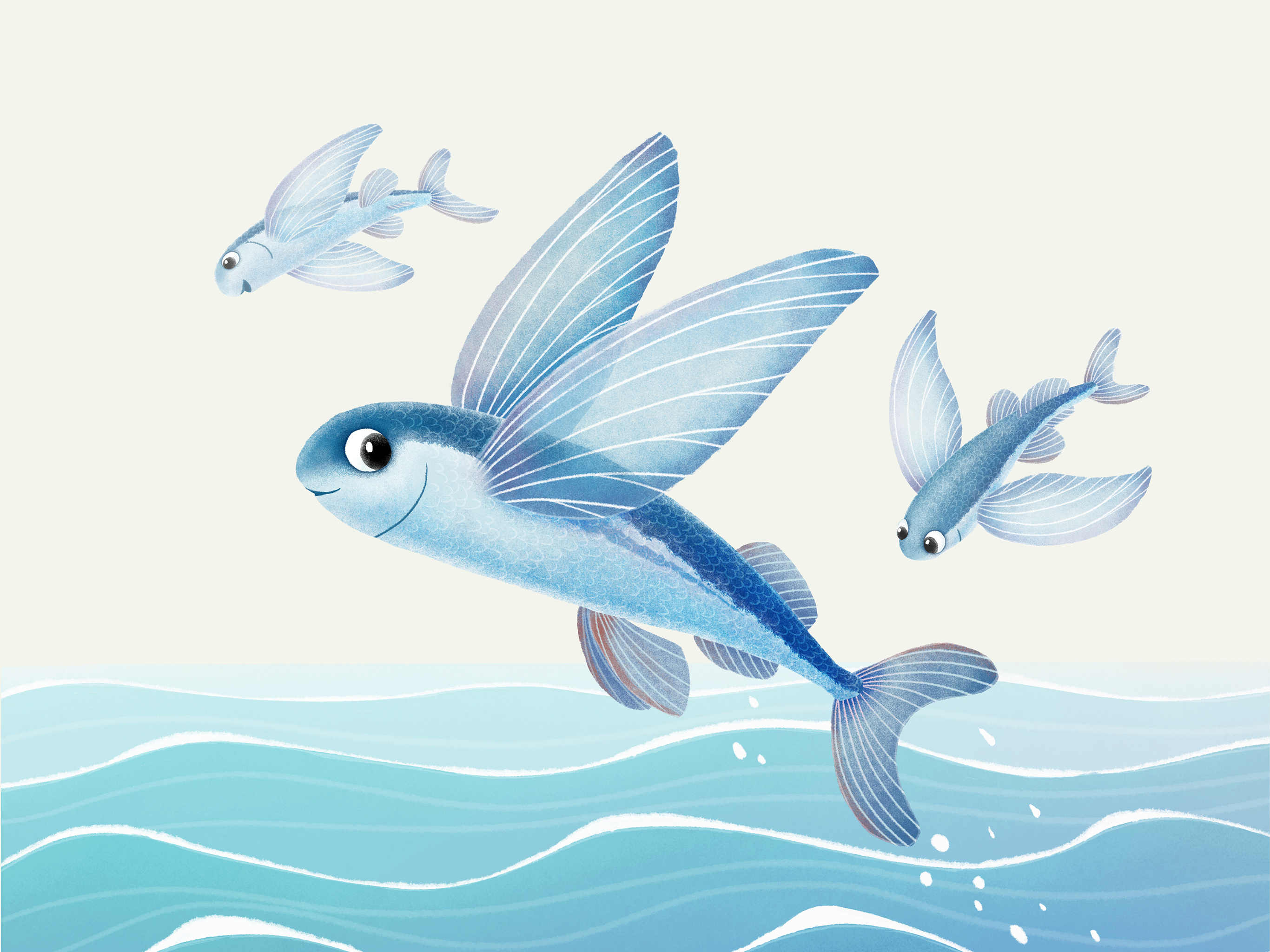
Volans (Flying Fish)

Vulpecula (The Fox)
