
Andromeda Constellation
CONSTELLATION ANDROMEDA
CELESTIAL PRINCESS & THE GREAT SPIRAL GALAXY
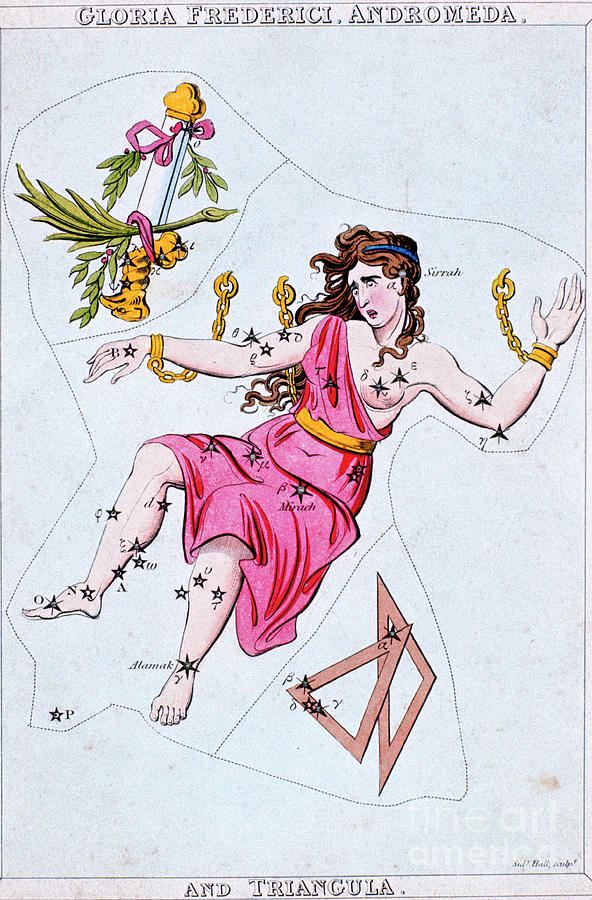
The Chained Princess
Positioned prominently in the northern sky, Andromeda is one of Ptolemy's original 48 ancient constellations. Best viewed during autumn evenings, it hosts a collection of brilliant framework stars and serves as the celestial address for the magnificent Andromeda Galaxy (M31).
Located ~2.5 million light-years away; the most distant object visible to the naked eye.
Ranked as the 19th largest constellation in the night sky by area.
Andromeda Sync
M31 Galactic Mapping. Analyzing the 2.5 million light-year trajectory of our nearest spiral neighbor. New Horizons monitors the Blueshift Constant to track the upcoming Milky Way merger.
- 🌌 Type: SBb Spiral Galaxy.
- 🚀 Velocity: 110 km/s Blueshift.
- ✨ Stars: 1 Trillion Stellar Bodies.
Maiden Sync
Mythic Geometry Mapping. Analyzing the 48-constellation Ptolemaic constant. New Horizons monitors the Celestial Latitude to track the Princess's position near Pegasus and Cassiopeia.
- ⛓️ Legacy: The Chained Maiden of Aethiopia.
- 📜 History: Original Almagest Entry (Ptolemy).
- ⚔️ Neighbor: Perseus Rescue Vector.
Stellar Sync
Luminosity Chain Mapping. Analyzing the spectral signatures of the primary Alpha, Beta, and Gamma vectors. New Horizons monitors the Magnitude Variable to track the distinct stellar line.
- 🌟 Alpheratz: Brightest Blue-White Node.
- 🔴 Mirach: Cool Red Giant Core.
- ✨ Almach: Triple-Star Binary Sync.
Finder Sync
Celestial Navigation Mapping. Analyzing the "V" branching vector from the Great Square of Pegasus. New Horizons monitors the Sky Clarity Index to track the M31 "Smudge" visibility.
- ⬛ Anchor: The Great Square of Pegasus.
- 📐 Geometry: Large "V" Shape Branching.
- 🔍 Target: M31 Smudge Near Mirach.
Legacy of the Chained Maiden 📜
ALPHA ANDROMEDAE
Also known as **Alpheratz**, this star is shared with the constellation Pegasus, forming the "Great Square" asterism. It marks Andromeda's head.
STAR DATAM31 GALAXY
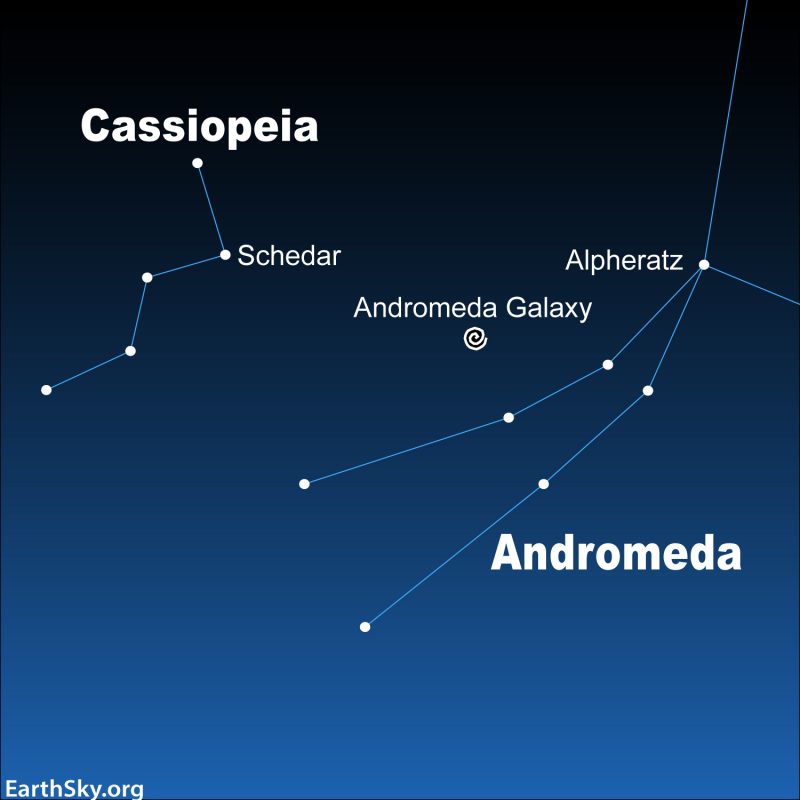
Located roughly **2.5 million light-years** away, it is the most distant object visible to the naked eye under dark skies. It is currently on a collision course with our galaxy.
DEEP SKY INFOLOCATION GUIDE
Best viewed in the Northern Hemisphere during Autumn. Look for the "V" shape of stars connected to the Great Square of Pegasus.
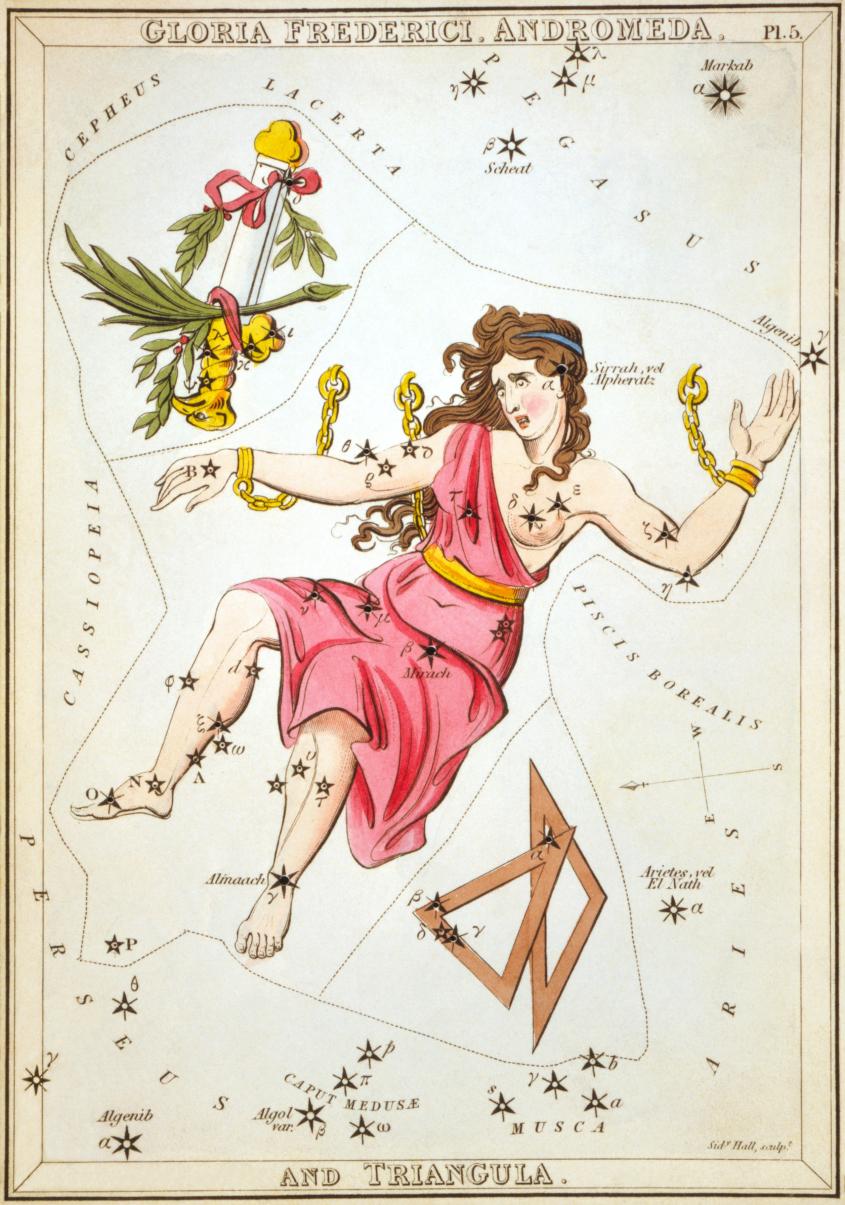
IAU BOUNDARIESMythological View
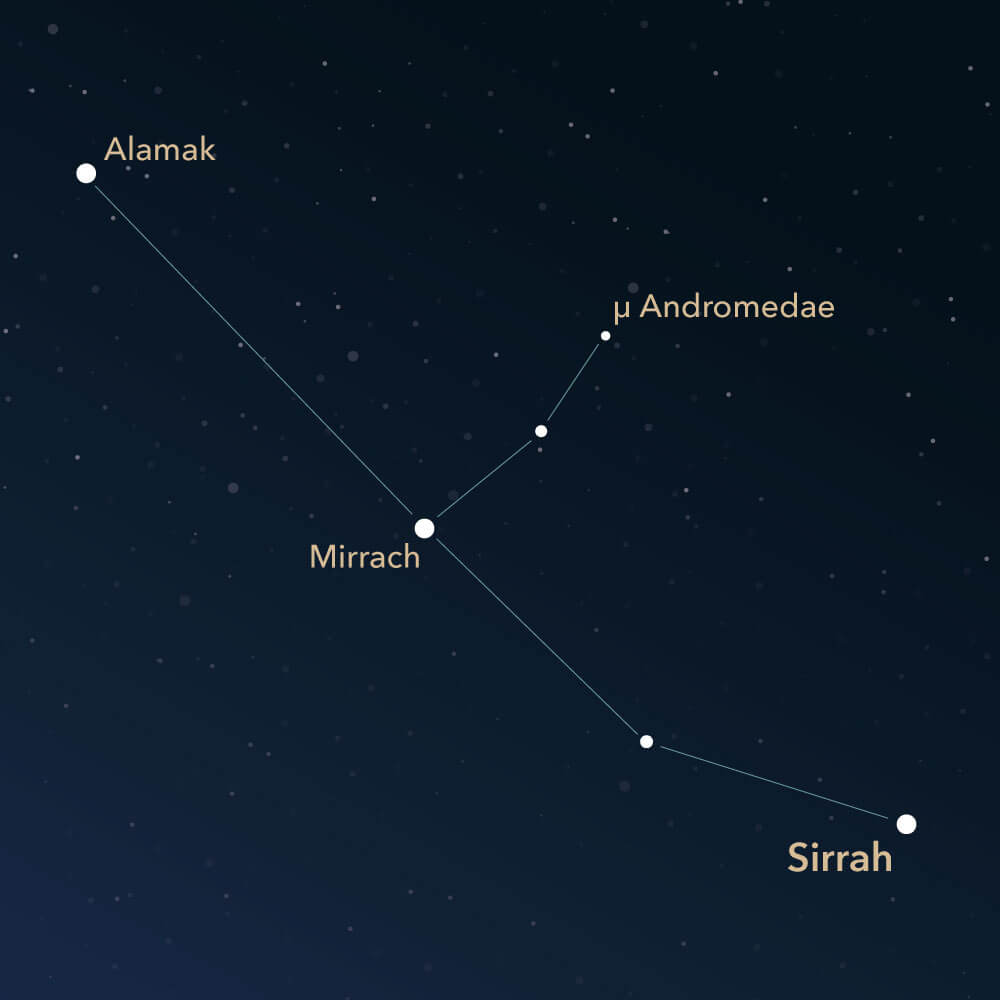
Artistic representation of the 'Chained Maiden' as described in Greek mythology.
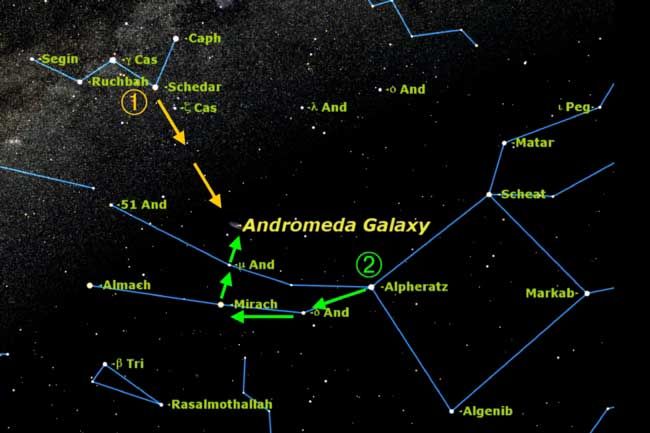
Stellar Alignment
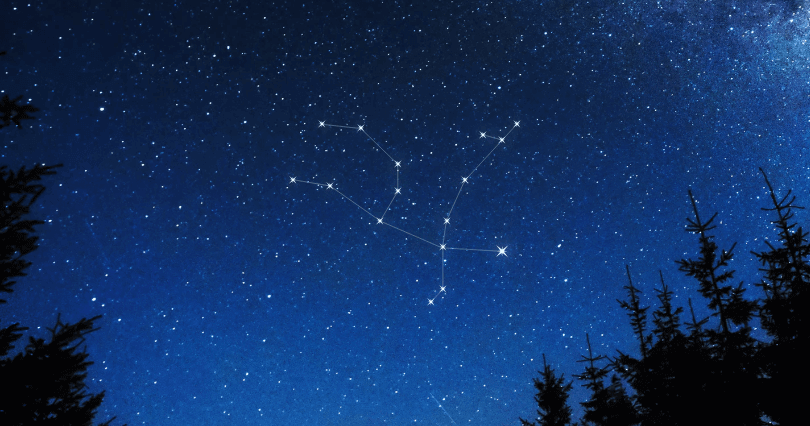
The V-shaped pattern branching out from Alpheratz, shared with Pegasus.
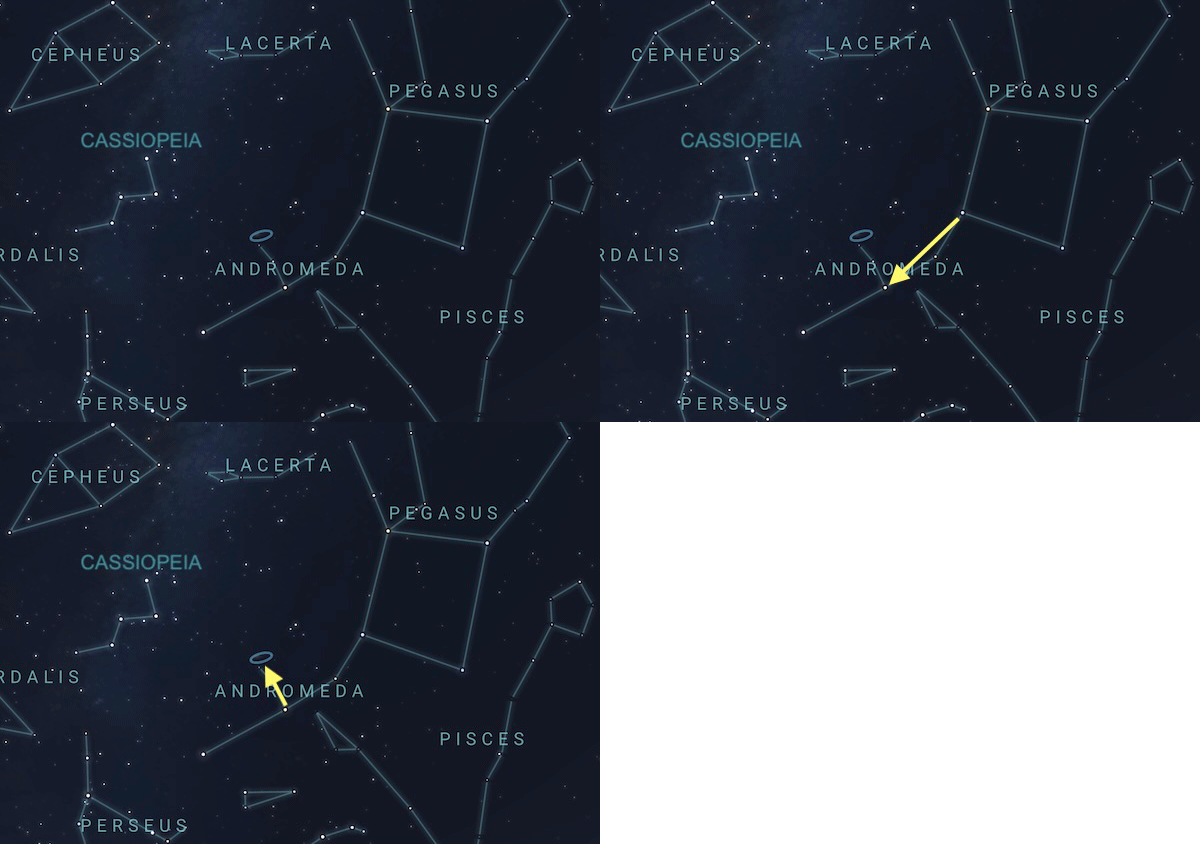
Observational Map
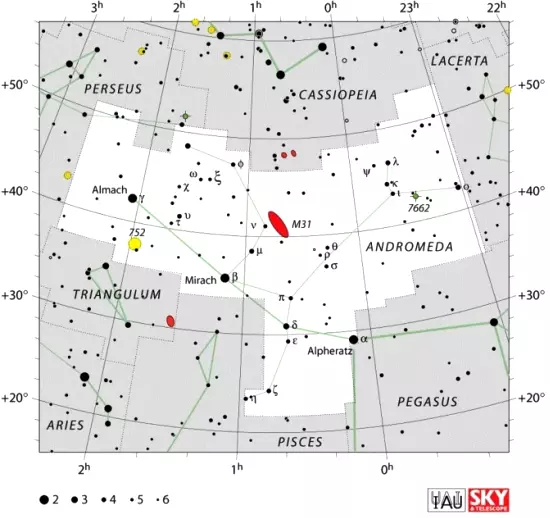
Detailed map identifying the location of M31, the Andromeda Galaxy.

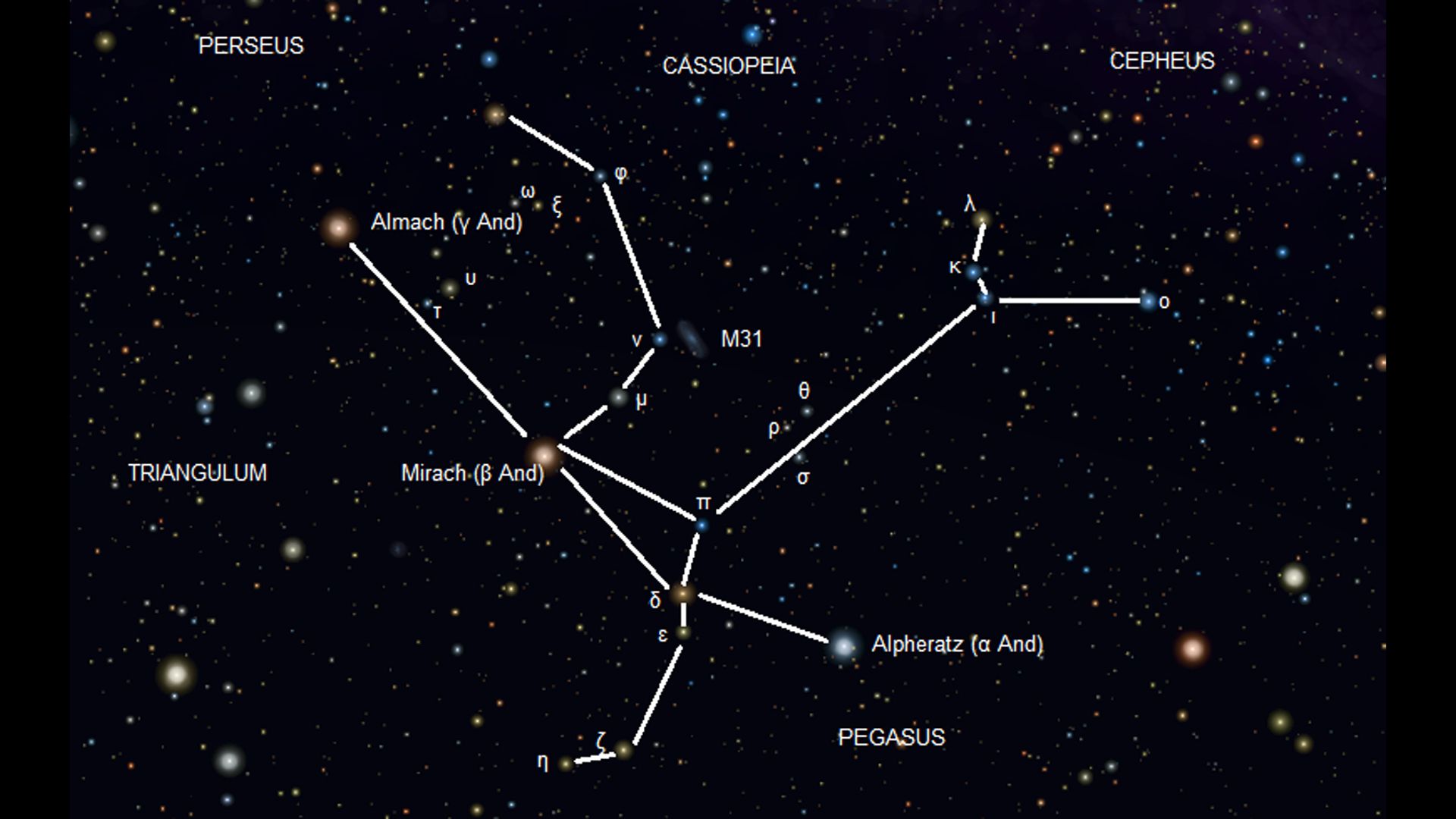



Andromeda Constellation • Bright Stars
The Chained Maiden • Main Stars Ranked by Apparent MagnitudeAndromeda is a large northern constellation famous for hosting the Andromeda Galaxy (M31). Its brightest stars form a long chain stretching from the Great Square of Pegasus.
| Star | Magnitude | Distance |
|---|---|---|
|
Alpheratz α And
Alpha Andromedae • Sirrah
|
0 | 0 ly |
|
Mirach β And
Beta Andromedae
|
0 | 0 ly |
|
Almach γ And
Gamma Andromedae
|
0 | 0 ly |
|
δ Andromedae δ And
Delta Andromedae
|
0 | 0 ly |
|
Nembus 51 And
51 Andromedae
|
0 | 0 ly |
|
ο Andromedae ο And
Omicron Andromedae
|
0 | 0 ly |
|
λ Andromedae λ And
Lambda Andromedae
|
0 | 0 ly |
|
μ Andromedae μ And
Mu Andromedae
|
0 | 0 ly |
|
ζ Andromedae ζ And
Zeta Andromedae
|
0 | 0 ly |
|
Titawin υ And
Upsilon Andromedae
|
0 | 0 ly |
|
κ Andromedae κ And
Kappa Andromedae
|
0 | 0 ly |
|
φ Andromedae φ And
Phi Andromedae
|
0 | 0 ly |
Best months to view
Andromeda
The Andromeda constellation and its famous galaxy (M31) shine brightest in the autumn and early winter sky. From mid-northern latitudes, it rises high overhead during convenient evening hours — making September through December the prime window. October offers the absolute peak: high altitude, crisp air, and early evening visibility.
Peak Season
September – November evenings. October is ideal when Andromeda culminates high in the sky around 21:30 local time.
Moon-free nights
Plan around new moon ±3 days. Even a quarter moon washes out the galaxy’s faint outer halo and dust lanes.
How to find it
Star-hop from the Great Square of Pegasus or the W of Cassiopeia. Under dark skies the galaxy is a soft oval glow to the naked eye.
Recommended Tools
View AllLoading recommended tools...
Explore More!
Andromeda

Antlia

Apus

Aquarius

Aquila

Ara

Aries

Auriga

Bootes

Caelum
Camelopardalis

Cancer

Canes Venatici

Canis Major

Canis Minor

Ursa Major (The Big Bear)

Cassiopeia

Centaurus

Cepheus

Cetus (The Whale)

Chamaeleon

Circinus

Columba

Coma Berenices

Corona Australis

Corona Borealis

Corvus

Crater

Crux

Cygnus

Delphinus
Dorado
Draco

Equuleus

Eridanus

Fornax

Gemini

Grus (The Crane)

Hercules

Horologium (The Clock)

Hydra

Hydrus

Indus
Lacerta

Leo

Leo Minor

Lepus (The Hare)

Libra

Lupus (The Wolf)

Lynx

Lyra

Mensa

Microscopium

Monoceros (The Unicorn)

Musca (The Fly)

Norma
Octans

Ophiuchus
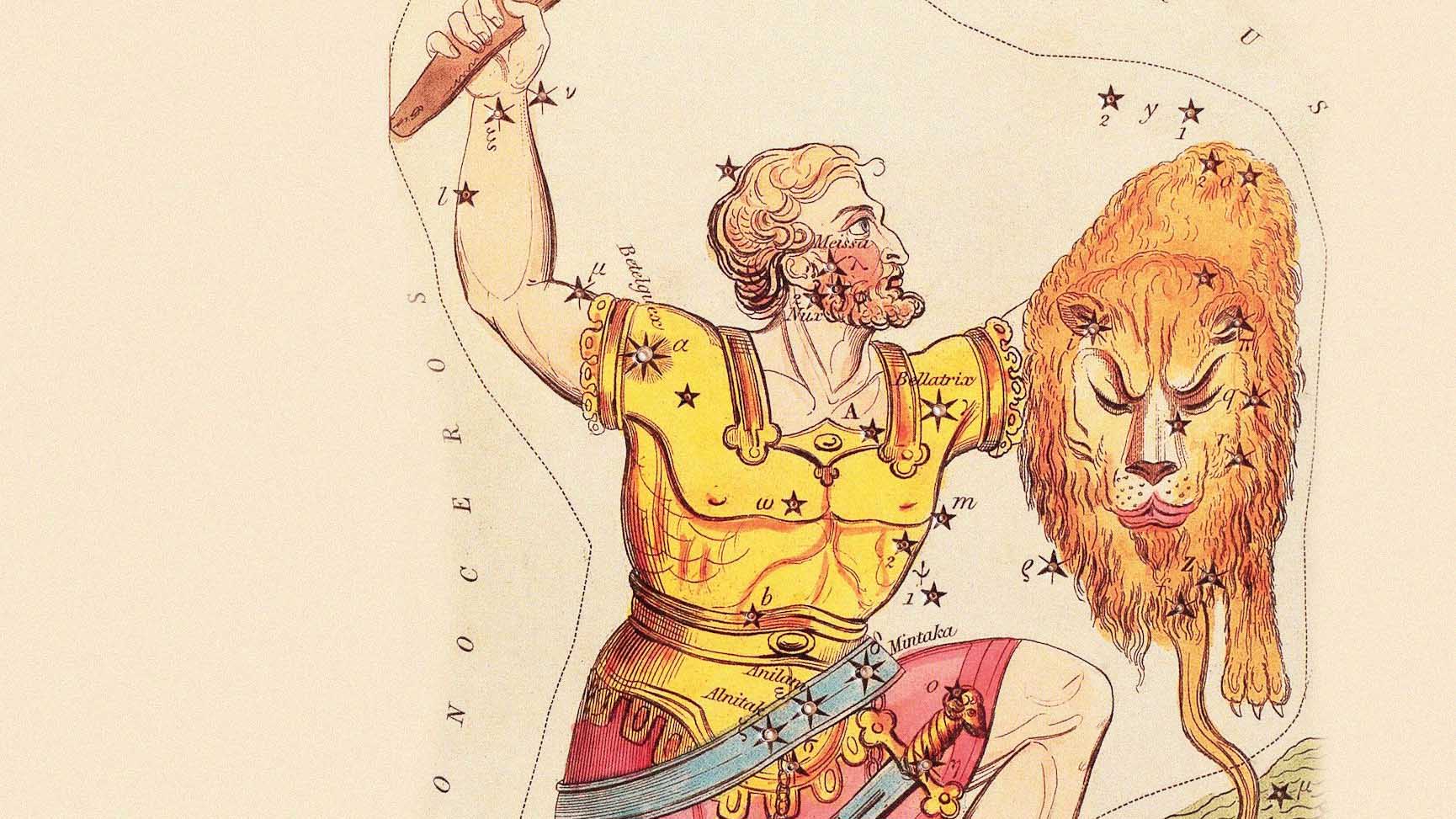
Orion (The Hunter)

Pavo (The Peacock)

Pegasus

Perseus

Phoenix
Pictor
Pisces

Piscis Austrinus

Puppis

Pyxis

Reticulum

Sagitta

Sagittarius

Scorpius

Sculptor

Scutum

Serpens

Sextans

Taurus

Telescopium

Triangulum

Triangulum Australe
Tucana

Ursa Minor

Vela (The Sails)

Virgo

Volans (Flying Fish)

Vulpecula (The Fox)
