KITCHEN SCIENCE / GRAIN ORIGINS
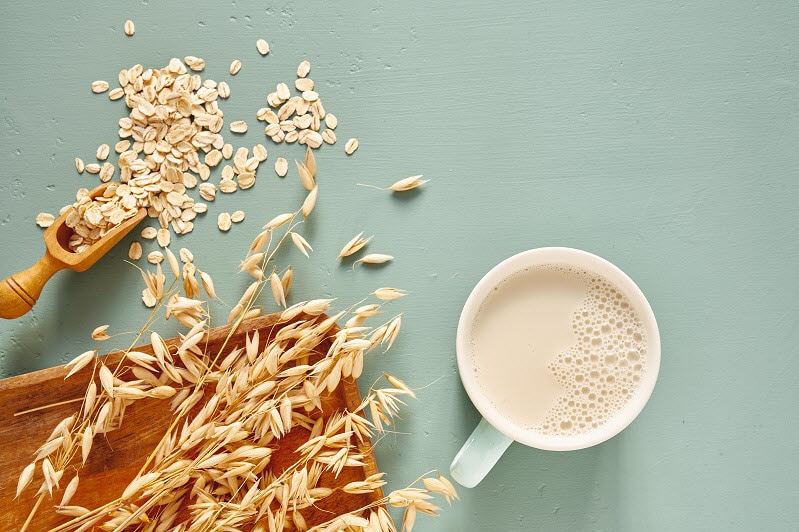
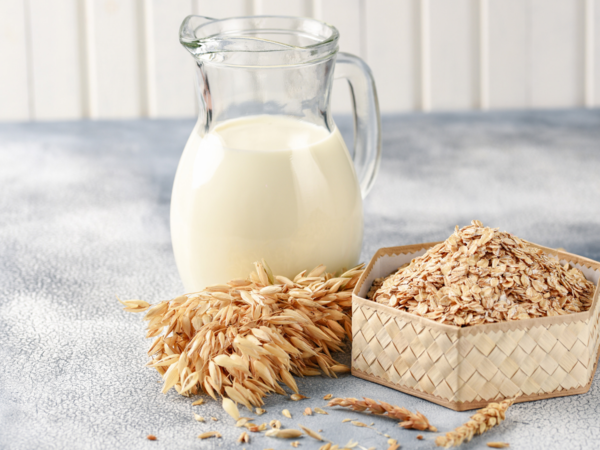
Listen, when I pull a sack of oat groats from the pantry, I'm looking at the oat in its most honest, primal form. It is the whole kernel with only the inedible hull removed. From a flavor standpoint, this is where you get the real nutty, earthy essence of the grain. Now, to your question: are they raw? Culinary speaking, they are the most "raw" you can get, but in a professional kitchen, we have to be precise. Most commercial groats have been kiln-dried. This isn't about cooking them—it's about "stabilizing." It deactivates the enzymes that turn oat oils rancid. So, they aren't 'raw' in the way a seed you'd sprout for a salad is, but they are absolutely the least manipulated grain you'll find on a menu.
KITCHEN SCIENCE / TECHNIQUE
You don't rush a good grain. Oat groats need to be hydrated properly, or the exterior will turn to mush while the center stays raw. My method starts the night before: a long, cool soak. This jumpstarts the hydration process, softening that tough outer bran layer. When you get to the stove, don't boil them aggressively—that just breaks them apart. Use a gentle, low simmer. You're looking for an 'al dente' pop; if you bite into it and it's too soft, you've gone too far. It should have a chew that tells you this was a real, whole grain.
KITCHEN SCIENCE / FLAVOR BALANCE
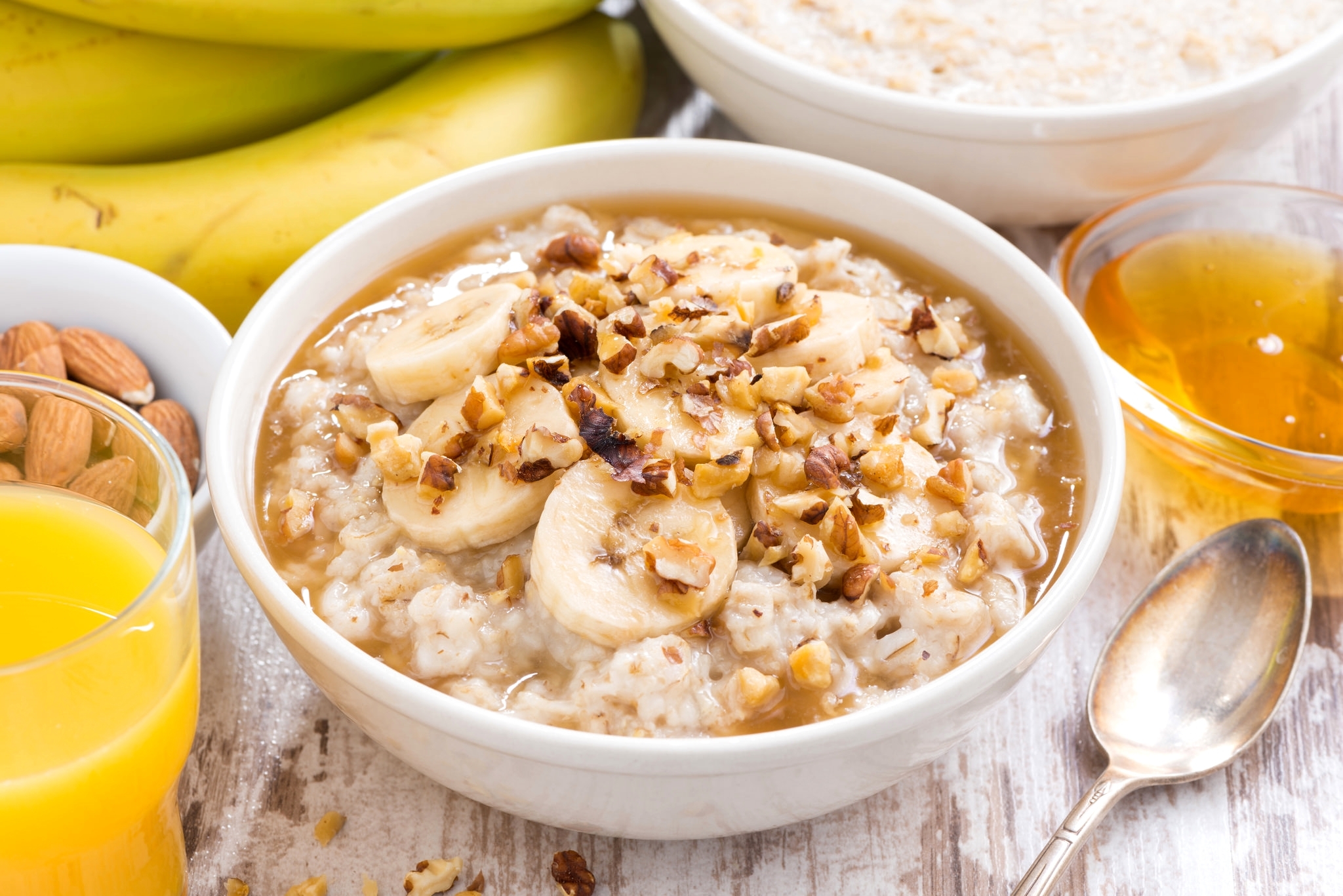
When a grain has this much character, you don't hide it—you complement it. The nuttiness of the oat groat is deep and grounded, so we need to lift it. If I'm serving this as a savory side, I'm hitting it with bright acidity—lemon zest, a splash of sherry vinegar, or fresh parsley to cut through that density. If we're going the breakfast route, we lean into the richness. Think brown butter, toasted walnuts, or even a crumbling of goat cheese. You want that contrast; without the "pop" of acid or the coating of fat, the groat can feel a bit monotonous. Treat it like a risotto, not like porridge, and you'll transform the dish entirely.
KITCHEN OPERATIONS / STOCK MANAGEMENT
Listen, those oat groats might be shelf-stable due to kiln-drying, but they aren't immortal. Once you break the seal on a bulk sack, you've introduced oxygen and moisture—the two enemies of grain integrity. In my kitchen, I treat these like fine wine. We transfer the groats into airtight, food-grade canisters, preferably glass or BPA-free polycarbonate, and store them in a cool, dark, dry environment. If you want to keep that nutty, fresh flavor profile for months rather than weeks, keep them away from heat sources like the ovens. Respect the ingredient, and it’ll reward you with consistency every time you reach for it.
KITCHEN SCIENCE / NUTRITIONAL EFFICACY
Why go through the effort of soaking and long-simmering these stubborn kernels instead of grabbing a packet of instant oats? It’s all about the glycemic response. By keeping the oat intact, we are preserving the bran and germ, which house the fiber and essential nutrients. When you eat an instant oat, your body processes it rapidly—spike, crash, hunger. When you eat a properly cooked, whole oat groat, you’re dealing with a complex carbohydrate matrix that your body has to work to break down. This means steady, sustained energy release. In the kitchen, we aren't just making food; we're providing fuel that lasts through the entire shift.
KITCHEN SCIENCE / CULINARY MASTERY
We started this by asking if oat groats are "raw," and we’ve ended by realizing that the "raw-ness" isn't the point—the integrity of the ingredient is. Once you have a batch of these properly cooked, you have a powerhouse component. You can sauté them with aromatics for a nutty pilaf, fold them into a cold salad for texture, or use them as a base for a grain bowl that actually holds its own against intense flavors. Treating the groat with this level of respect—from storage to simmer—is the difference between a cook who just follows instructions and a chef who understands the architecture of a dish. The groat is honest, stable, and essential. That’s why it stays in my pantry.
The truth behind commercial processing and natural whole grains.
Almost all store-bought oat groats are not strictly raw. During hulling, they undergo a vital kilning or steam heating process to deactivate enzymes that would otherwise cause the grains to go rancid quickly.
Despite the heat treatment, groats remain the most complete version of the oat. The bran, germ, and endosperm are left completely intact, preserving their full structural integrity and dense nutritional profile.
If your recipe explicitly requires unheated grains for sprouting, you must hunt down specialized, un-kilned groats. These are typically sourced directly from farms or specific specialty raw food distributors.