Temperature & Density Variables
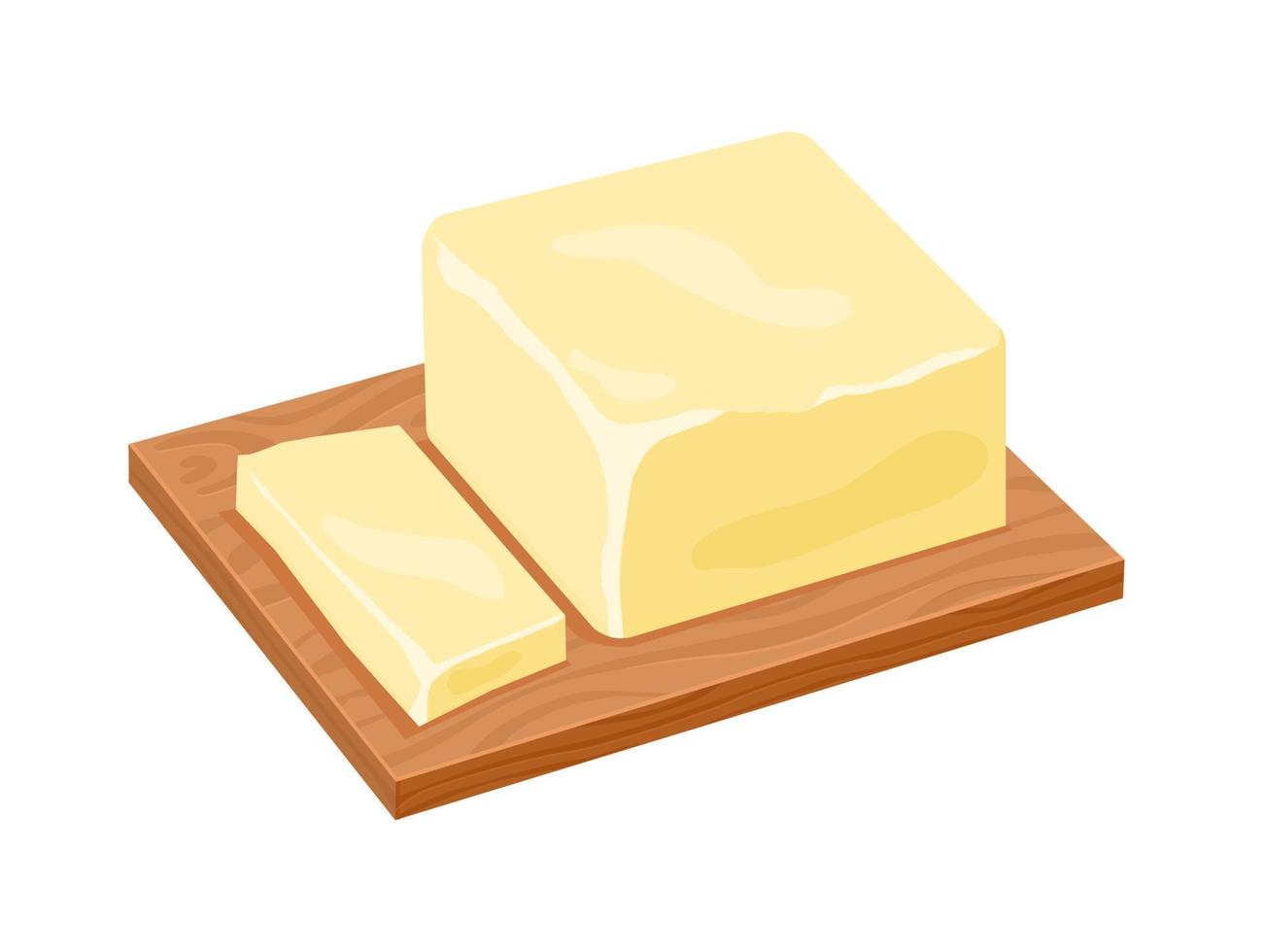
Butter is unique because its density shifts significantly with temperature. A cup of cold, firm butter occupies more space than the same weight of softened or melted butter. When using our butter grams to cups converter, we base calculations on standard room-temperature butter. If your butter is whipped or extremely cold, volume-based measuring tools will inherently introduce margin-of-error in your dough structure.
The "Stick" Measurement Trap
In the US, butter is often sold in sticks, where 1 stick is precisely 1/2 cup or 113 grams. However, this relies on the assumption that the packaging is perfectly accurate. Many home bakers find that wrappers can "steal" up to 2-3 grams per stick. For precision baking—especially in delicate pastry work—we always recommend using our gram conversion over visual line markers on wrappers.
Melted vs. Solid Ratios
One of the most common pitfalls is measuring butter *after* melting it for a recipe that calls for solid butter measurements. Melted butter has a different volume profile than cold, cubed butter. For the most consistent results in cookies and cakes, always measure the weight of your butter while it is in its solid state before applying heat, ensuring your fat-to-flour ratios remain mathematically sound.