If you are cooking for a gluten-free diet, the most important thing you can do is look past the basic label. While oats are naturally gluten-free, they are often processed in the same facilities as wheat, barley, and rye. This cross-contact is the hidden risk in many standard pantry bags. To truly keep your kitchen safe, you have to be intentional about your ingredients. Always hunt for the "Certified Gluten-Free" seal on the package—it is your best assurance that the oats were handled with the care your health deserves. Cooking safely starts long before you turn on the stove; it starts with what you bring into your home.
Bringing home the right bag of certified oats is only half the battle; keeping them safe once they are in your kitchen is where the true work happens. Even a tiny trace of flour from a previous baking project or a shared wooden spoon can compromise a gluten-free meal. When you're cooking for someone with a strict requirement, treat your prep area like a clean slate. Use dedicated tools—spoons, measuring cups, and bowls that have never touched wheat—to ensure that your careful ingredient selection isn't undone by a simple kitchen accident. It’s all about creating a reliable environment where you can cook with total peace of mind.
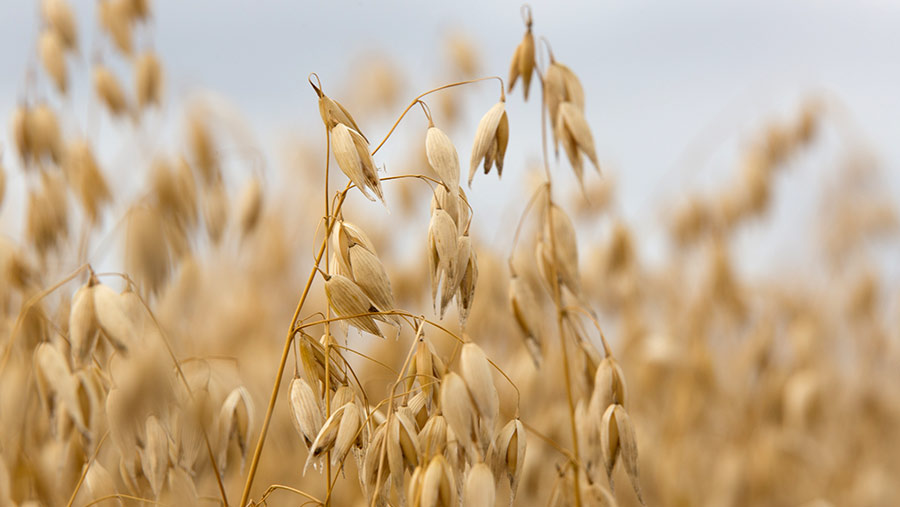
Beyond just the label, understanding where your oats come from is a powerful way to ensure safety. Many small, dedicated gluten-free oat farms take extra care to grow their crops in fields that haven't seen wheat, barley, or rye for years. When you choose to source from these specialized growers, you are essentially eliminating the risk of accidental exposure at the field level. It’s a bit like choosing the best produce at the market—knowing the origin story of your ingredients gives you confidence in the quality of the meal you're putting on the table.
When you're in the grocery aisle, the packaging can feel overwhelming, but focusing on a few key details makes all the difference. Beyond the large, bold "Gluten-Free" claim on the front, always flip the bag to inspect the small print. Look for information about whether the oats were produced in a facility that also processes wheat—sometimes, even gluten-free products are handled on shared equipment. Developing a habit of checking for "dedicated facility" or "purity protocol" statements gives you the best information possible. It takes an extra five seconds at the store, but it pays off with every safe, delicious bowl you serve at home.
Gluten-free living isn't just about what you buy; it's about the habits you keep every day. Even in a home that isn't 100% gluten-free, you can keep your oats safe by establishing a simple "clean zone." This means wiping down counters before prepping your morning porridge and ensuring your storage containers are sealed tight to prevent stray flour dust from settling on your supplies. By making hygiene a part of your daily routine rather than a frantic effort, you build a stress-free environment where your ingredients stay pure and your breakfast remains exactly what it should be: a safe, healthy start to your day.
Mastering the gluten-free kitchen isn't about restriction; it's about empowerment. When you know how to read labels, source your oats from reliable farms, and protect your space from cross-contact, you transform your cooking from a source of stress into a source of comfort. You no longer have to wonder if your breakfast is safe—you know it is. This is the ultimate goal: a kitchen where you can focus entirely on the flavors, the texture, and the joy of a perfect morning meal. Your safety ritual is the foundation of your kitchen mastery.
Understanding the foundation of your dietary safety.
Gluten is a family of proteins found in wheat, barley, and rye. A gluten-free diet excludes these grains to prevent adverse reactions.
It involves strict avoidance of hidden gluten in processed foods and additives. Vigilance in label reading is your primary tool.
By focusing on naturally gluten-free whole foods, you can enjoy diverse, delicious, and safe nutrition every day.
How to spot safe, certified labels in the grocery aisle.
Always look for the third-party "Certified Gluten-Free" seal. This ensures the oats have been tested and contain less than 20ppm of gluten.
Oats are naturally gluten-free but often contaminated. Look for brands that explicitly state "Purity Protocol" or "Sourced from Dedicated Fields."
Check the allergen statement. If the label says "processed in a facility that also processes wheat," it is not safe for your gluten-free kitchen.