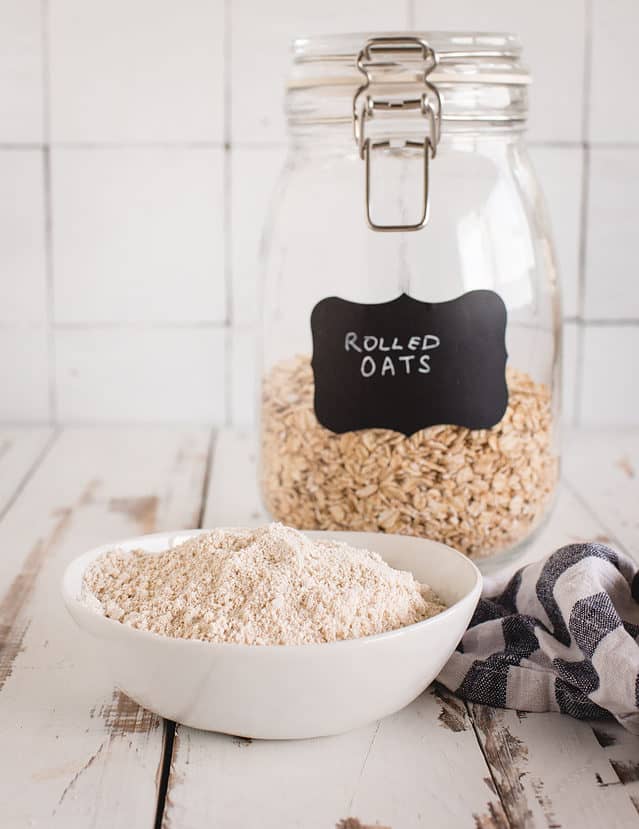
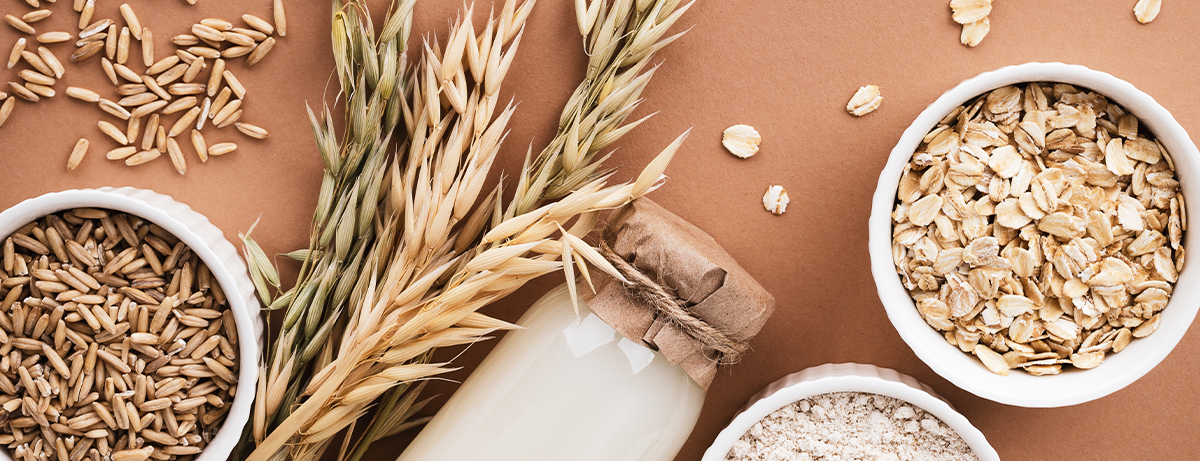
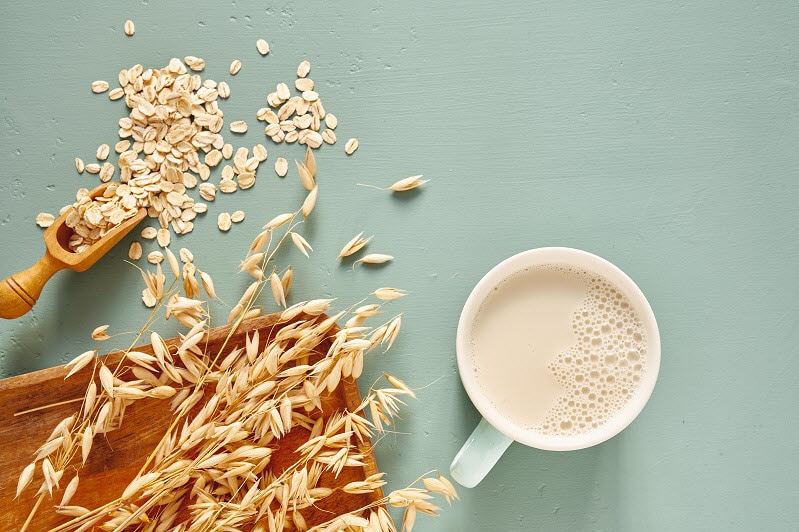
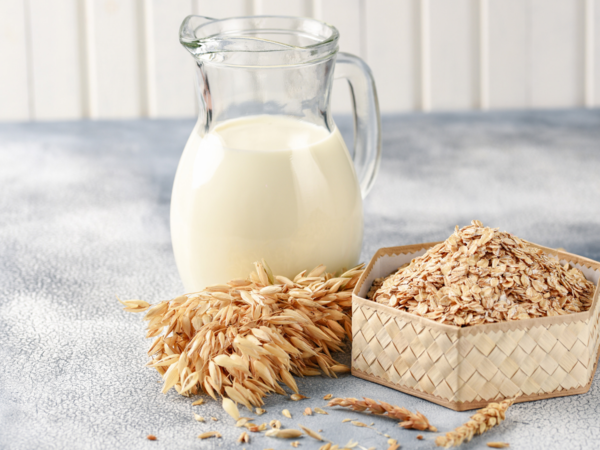
Creating your own oat flour is the ultimate way to ensure freshness and control over the texture of your baking. When you grind your own oats at home, you aren't just processing a grain; you are preserving the delicate natural oils and the complete nutritional profile that often degrades in mass-produced, store-bought flour. Using a high-speed blender or a dedicated grain mill, you can achieve anything from a coarse, rustic meal to a fine, silky powder. Understanding that the grind duration and intensity directly dictate the particle size allows you to customize the flour for everything from dense, hearty muffins to delicate, light cakes.
Even with a high-performance blender, your oat flour may contain inconsistent particle sizes that can affect the rise and structure of your baked goods. The "sift and refine" method is your final quality control step. By passing your freshly milled flour through a fine-mesh sieve, you isolate the ultra-fine powder that provides light structure while catching larger, uneven pieces. Don't discard those coarse remnants; they can be returned to the blender for a second pass or saved to add rustic texture to granola or cookie dough. Achieving uniform particle size is the professional secret to ensuring your oat flour behaves predictably in delicate recipes.
Baking with oat flour requires a fundamental shift in your approach because it lacks gluten, the structural protein found in wheat. When swapping oat flour into recipes, it behaves best as a partial replacement—typically up to 30% of the total flour—to maintain structural integrity while adding fiber and a soft, tender crumb. Because oat flour absorbs more moisture than traditional wheat flour, you may need to slightly increase your liquid or add a binding agent like chia seeds or xanthan gum to prevent the bake from becoming too crumbly. Mastering these ratios is the key to creating gluten-friendly, fiber-rich baked goods that don't sacrifice texture for health.
Embracing the practice of milling your own oat flour is an intentional rejection of the "commodity" mindset. It represents a shift toward a grain-first culinary philosophy, where you respect the source ingredient in its raw, unprocessed state before transforming it into something functional. By mastering the mill, the sifter, and the baker's ratios, you move from being a passive consumer of pre-packaged goods to an active creator of your own nutritional foundation. This is the essence of the New Horizons approach: understanding that the highest quality results are achieved through deep engagement with your ingredients, fostering a kitchen environment rooted in skill, awareness, and precision.
We have moved from the raw kernel to the fine-milled flour, completing our technical deep-dive into the oat grain. You are now equipped with the methodology to process, refine, and integrate high-quality, home-milled ingredients into your culinary workflow. This series wasn't just about making flour; it was about establishing a framework for food preparation where quality is defined by the process, not just the result. As you take these techniques back to your kitchen, remember that the most potent innovation comes from mastering the basics. Your New Horizons platform now houses a robust foundation of grain-based knowledge, ready to be applied to any future culinary project you design.
Mastering the art of fresh, gluten-free baking foundations.
To make flour, use certified gluten-free rolled or quick oats. Place them in a high-speed blender or food processor and pulse until they reach a fine, uniform powder consistency.
Ensure your blender is completely clean and free of wheat flour residue. Even microscopic traces from previous non-GF bakes can cause cross-contact in your homemade flour.
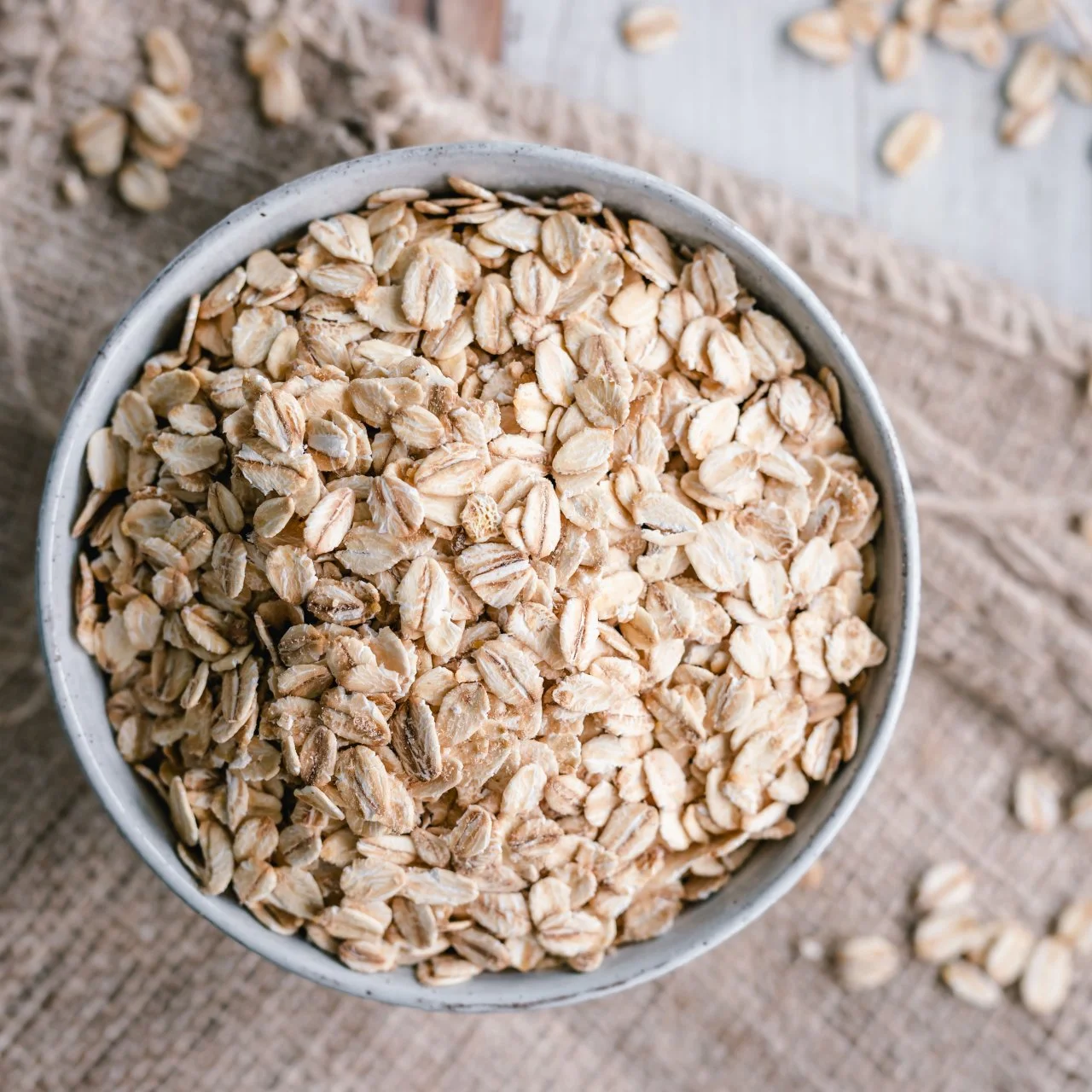
Store your freshly ground flour in an airtight, glass container in a cool, dry place. For maximum freshness, use it within 2–3 months or freeze it for longer storage.