HOME
Kitchen
ABOUT
CONTACT

The Speed of the Bowl

In the rush of the morning, understanding the difference between instant and quick oats is your best culinary advantage. While both are processed to cook faster than old-fashioned oats, they aren't the same. Instant oats are pre-cooked and dried, then rolled extremely thin, allowing them to soften almost instantly upon contact with hot liquid. Quick oats are simply rolled slightly thinner than regular oats, requiring a few minutes on the stove to absorb water and achieve a hearty texture. Choosing the right one depends on whether you have three minutes to cook or thirty seconds to stir.

Instant Oats Pre-cooked / Immediate Hydration
Quick Oats Thin-rolled / Stove-top Simmer
Culinary Choice Balance Texture vs. Time

How Your Pot Affects Speed

Cooking speed isn't just about the oats; it's also about the vessel you choose. A heavy-bottomed pot retains heat longer and distributes it evenly, which is ideal for a gentle simmer that coaxes the starch out of the oats for a creamy finish. In contrast, a thin-walled pot heats up rapidly but can create hotspots, often leading to uneven cooking or scorched edges. If you're chasing the fastest bowl possible, the thermal mass of your pot is your secret partner—it dictates how quickly your liquid reaches a boil and how steadily it holds that temperature once the oats are added.

Heavy-Bottomed Even Heat / Creamy Texture
Thin-Walled Rapid Heating / Risk of Scorching
Pro Strategy Match Pot Material to Cooking Goal

Liquid Ratios and Speed

The ratio of liquid to grain is the primary driver of how fast your oats reach the perfect consistency. More liquid means more heat-transfer surface, which speeds up the softening of the fiber, but it also requires more time to evaporate if you prefer a thicker porridge. Conversely, using less liquid creates a quicker, denser result, but demands your constant attention to prevent sticking. Finding the "sweet spot" ratio—where your oats are fully hydrated but not waterlogged—is the key to balancing cooking speed with the texture you enjoy, allowing you to customize your breakfast rhythm to fit your morning schedule perfectly.

High Liquid Ratio Faster Hydration / Thinner Porridge
Low Liquid Ratio Slower Hydration / Denser Texture
Pro Balance Match Ratio to Morning Time

The Power of Pre-Soaking

If you find yourself consistently pressed for time in the morning, consider the power of the pre-soak. By soaking your oats in water or milk the night before, you allow the grain to begin its hydration process while you sleep. This simple habit drastically reduces the time required on the stove, as the oats have already absorbed a significant portion of the liquid before they ever hit the heat. It transforms a long, slow cook into a quick, gentle warm-through, ensuring you get a perfectly creamy result without the wait. It's the ultimate hack for turning a slow-cooking variety into a breakfast that’s ready in seconds.

Overnight Prep Accelerates Morning Hydration
Cooking Time Reduced by 50% or More
Chef Secret Fuller Texture / Less Stove Time

Why Surface Area Matters

In the physics of the porridge pot, size is everything. Smaller, finer grain sizes provide a larger relative surface area, allowing hot water to penetrate and hydrate the starch much faster than larger, intact grains like whole oat groats. This is why steel-cut oats take longer to cook—the knife-cut pieces are smaller than a whole groat, but significantly larger than the flat, high-surface-area rolled oats. Understanding that cooking time is directly proportional to the grain's surface area gives you the power to choose the right oat for your time limit, ensuring that even on your busiest mornings, you never have to sacrifice a warm, nutritious meal.

Fine Grind High Surface Area / Fast Cooking
Coarse Cut Lower Surface Area / Longer Simmer
Chef Insight Size Determines Your Schedule

Mastering Your Morning Tempo

Cooking speed is ultimately a choice you make before you even turn on the stove. By blending your knowledge of oat varieties, the thermal properties of your favorite pot, and the preparation power of a simple overnight soak, you gain total control over your morning tempo. You are no longer waiting on the oats; you are directing the process. When you align your technique with your schedule, breakfast shifts from a rushed necessity into a steady, reliable ritual. This is the hallmark of a true kitchen strategist—knowing how to balance the pace of your ingredients with the flow of your day.

The Strategy Plan for Your Pace
The Control Technique Over Rushed Cooking
The Outcome Mastery of the Morning Meal

Cooking Speed: Instant vs. Quick

Choosing the right oat for your morning tempo.

INSTANT OATS

The fastest option. These are pre-cooked, dried, and rolled very thin. They absorb liquid almost instantly, making them soft and creamy in seconds.

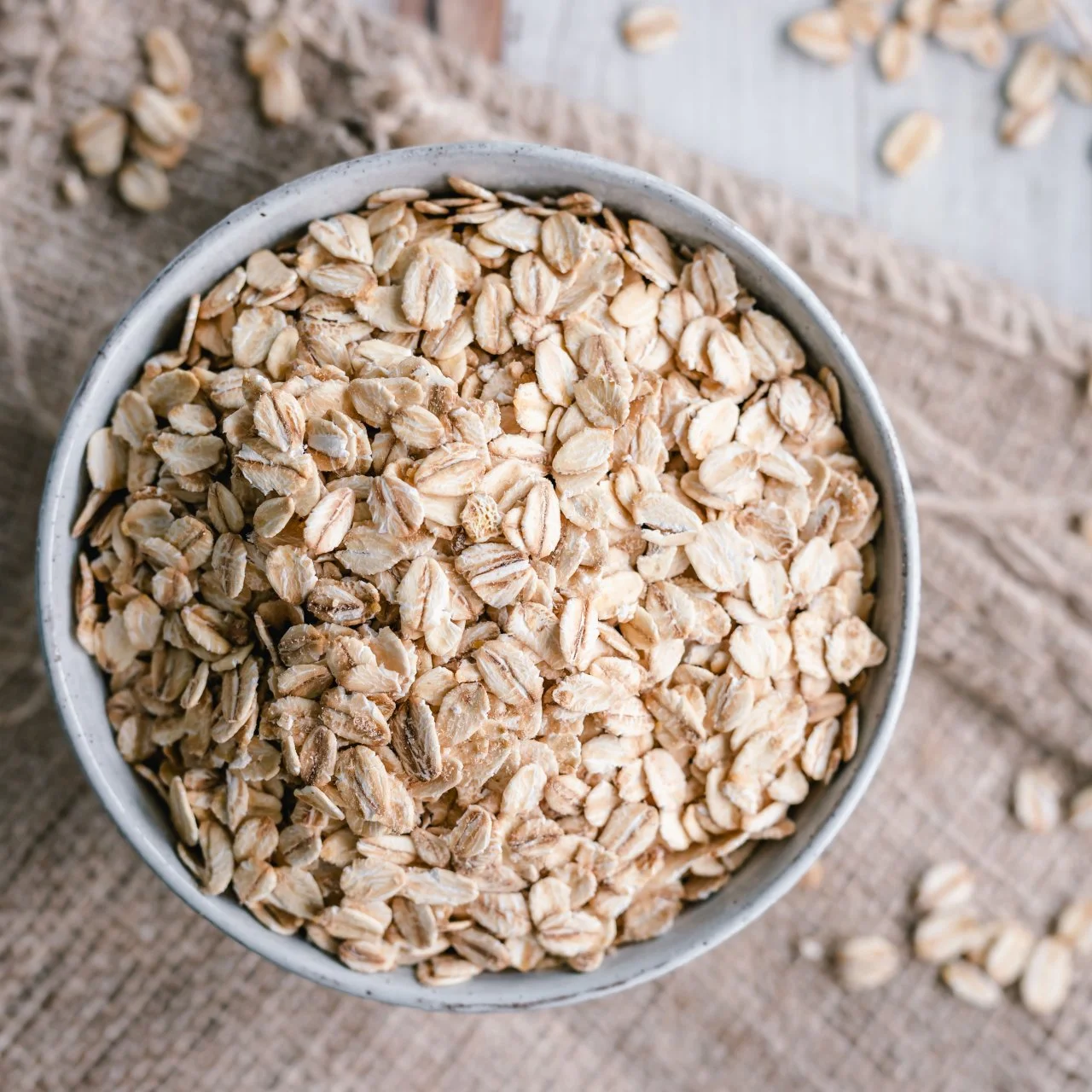
Instant oats

QUICK OATS

Steamed and rolled thinner than rolled oats but thicker than instant. They take 3–5 minutes to cook, offering a balance between speed and hearty texture.
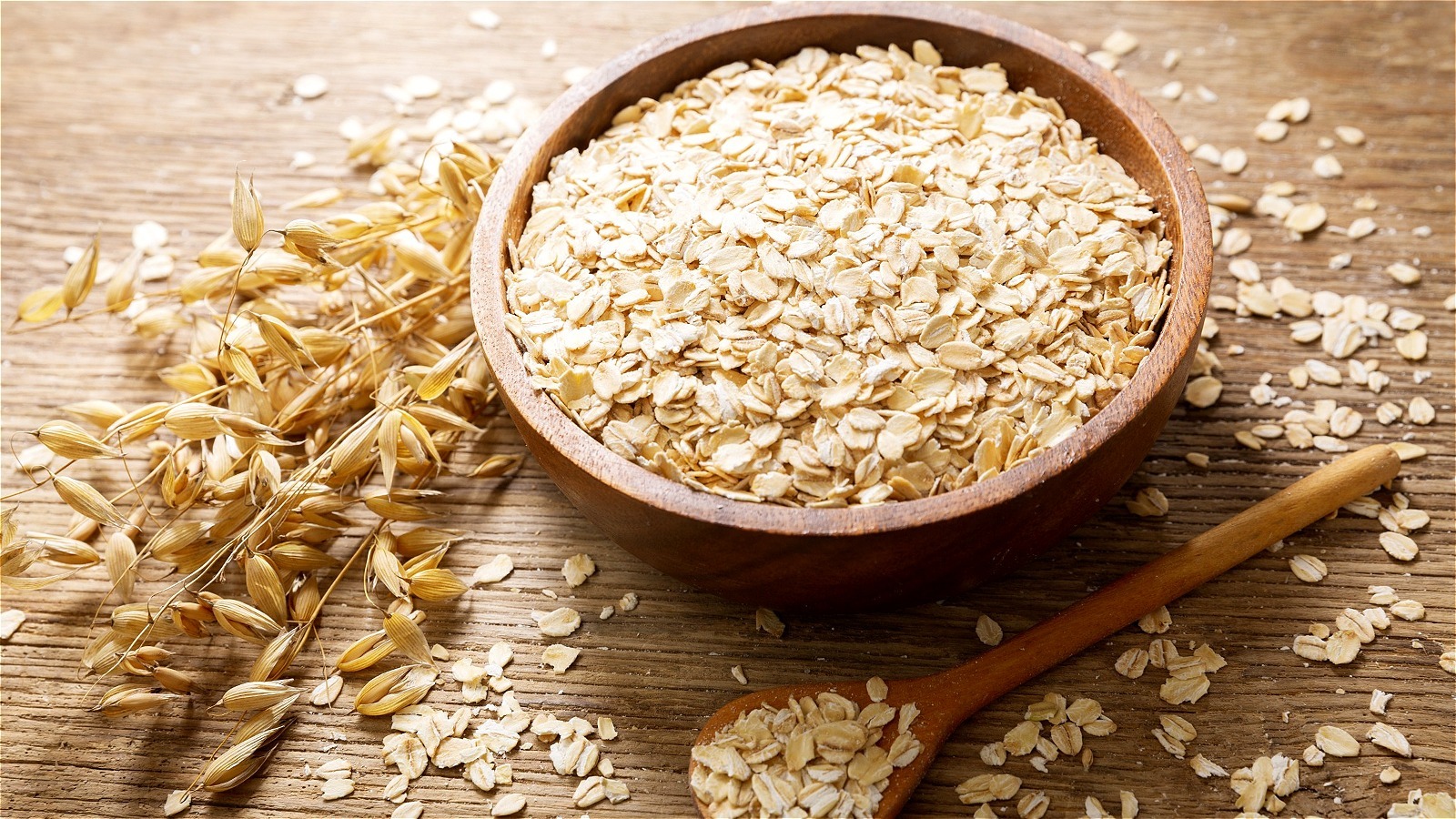
Quick cooking oats

BEST USE CASE

Use instant for ultra-fast microwave breakfasts. Use quick oats when you want a bit more bite and the extra few minutes of stovetop simmering time.


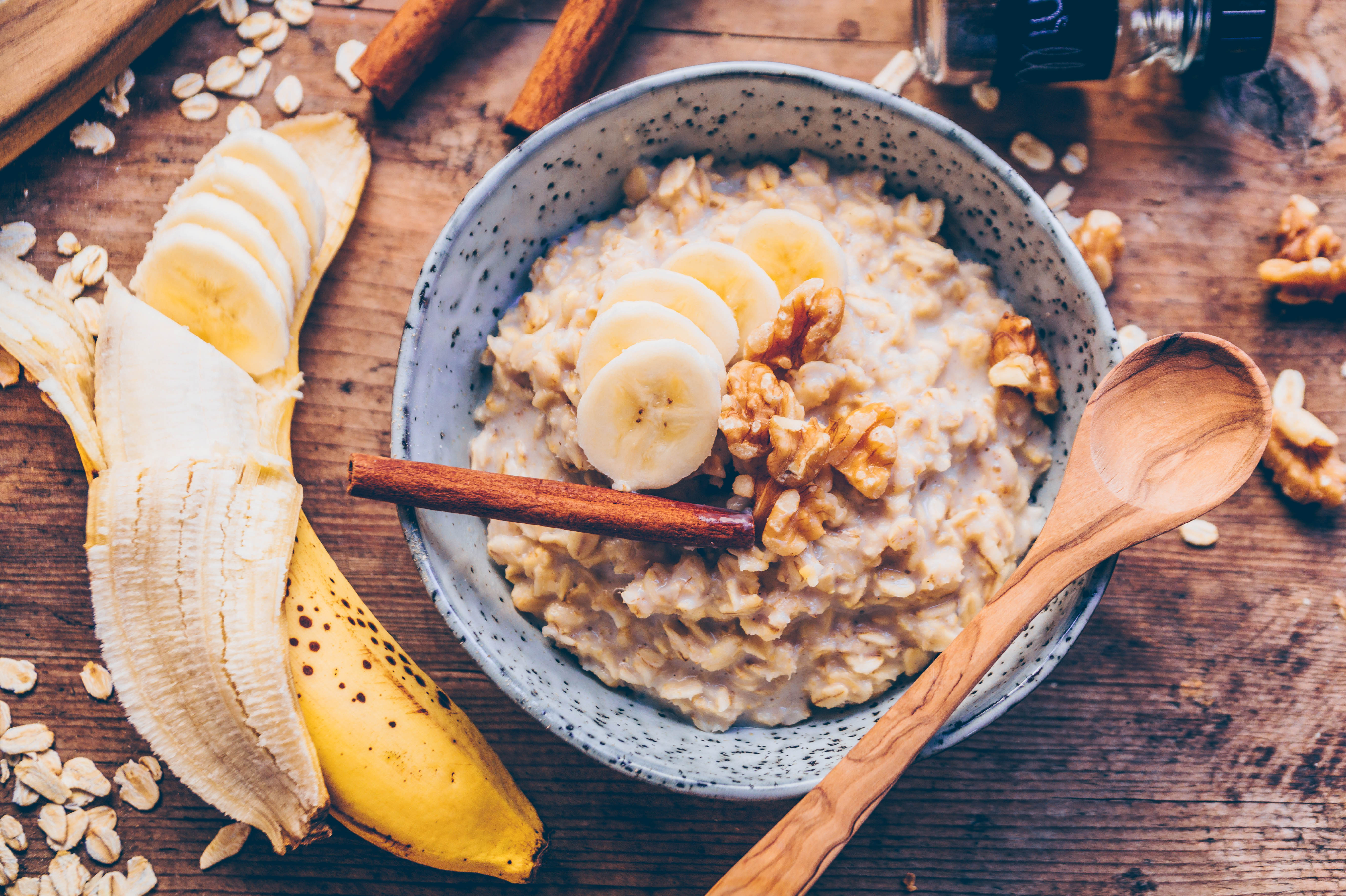
Breakfast bowl


Try Tool!

NEW
Butter Gram to Cup Converter

Butter Gram to Cup

NEW
Oat Gram to Cup Converter

Oat Gram to Cup

NEW
Ghee Gram to Cup Converter

Ghee Gram to Cup

UPDATE
Gram to Cup Converter

Gram to Cup Converter


Dive Deep Kitchen!

Oat Types

GUIDE / 2026

OAT VARIETIES

ROLLED VS. STEEL-CUT DENSITY.

LEARN MORE
Moisture

SCIENCE / 2026

OAT MOISTURE

HOW HUMIDITY AFFECTS WEIGHT.

LEARN MORE
Gluten Free

HEALTH / 2026

GLUTEN-FREE

ARE YOUR OATS REALLY SAFE?

LEARN MORE
Packing

PHYSICS / 2026

COMPRESSION

WHY PACKING DENSITY MATTERS.

LEARN MORE
Groats

BASICS / 2026

RAW GROATS

THE WHOLE GRAIN GUIDE.

LEARN MORE
Bran

NUTRITION / 2026

OAT BRAN

FIBER DENSITY EXPLAINED.

LEARN MORE
Flour

TECHNIQUE / 2026

OAT FLOUR

HOW TO GRIND AT HOME.

LEARN MORE
Toasted

FLAVOR / 2026

TOASTING

BOOSTING NUTTY FLAVORS.

LEARN MORE
Jumbo

COMPARISON / 2026

JUMBO FLAKES

TEXTURE DIFFERENCES.

LEARN MORE

Written By

Author

Senior Culinary Density Researcher

Binul Nethaka

Combining mathematical precision and culinary science to provide the best free, fast, and highly accurate conversion experience for bakers and chefs worldwide.