NEW

Butter Gram to Cup
NEW

Oat Gram to Cup
NEW

Ghee Gram to Cup
UPDATE

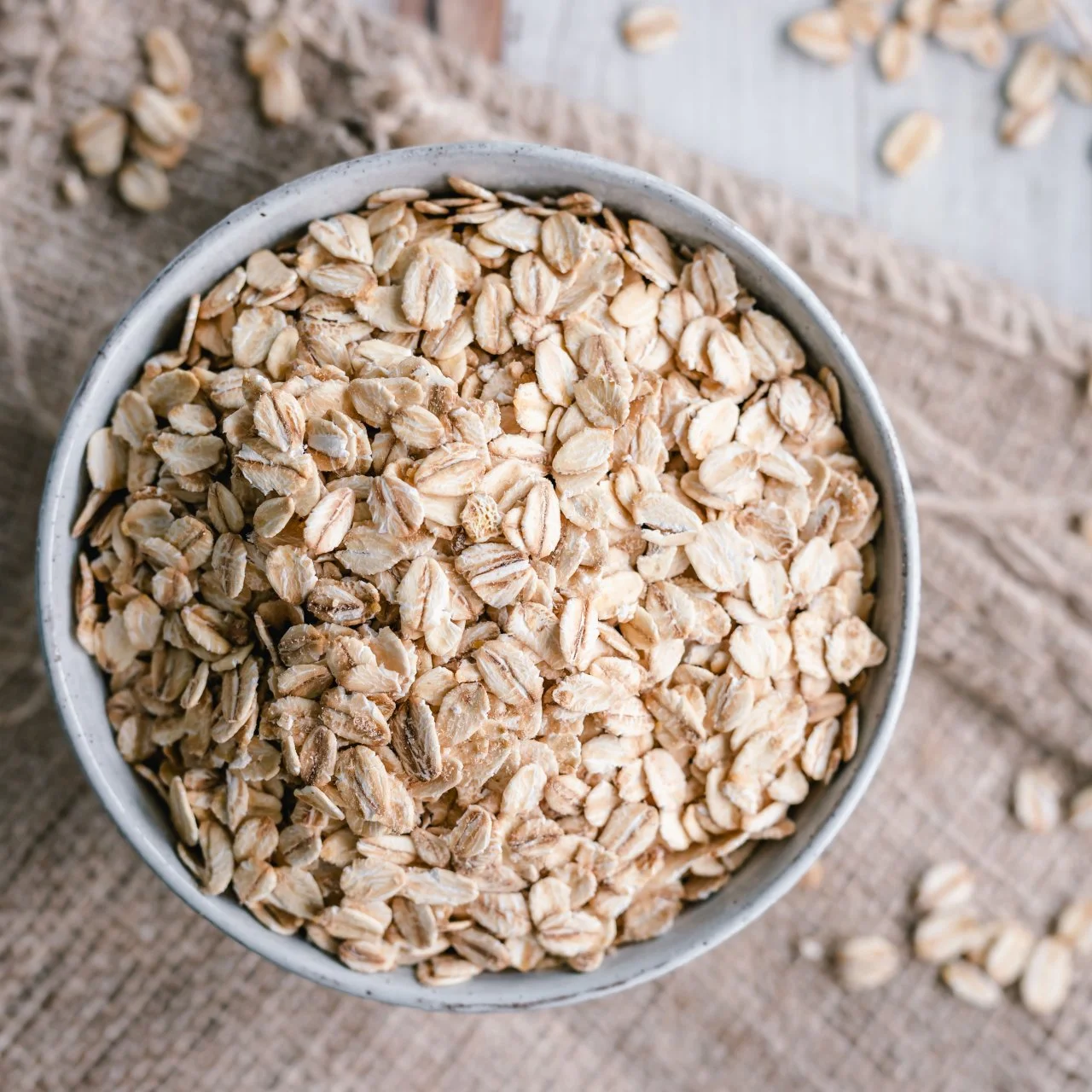
Did you know your oats are constantly "breathing"? Oats are naturally thirsty grains that soak up moisture from the air around them. On a damp, humid day, your oats will actually gain weight as they absorb water vapor from the kitchen atmosphere. On a dry day, they release that moisture, becoming lighter. This is why you might notice your oat recipes sometimes require more water or a slightly different cooking time—the oats you are measuring are rarely at the exact same hydration level twice. Understanding this "breathing" process helps you master your cooking results and keep your pantry staples at their best.
Now that you know oats "breathe," how do you keep them consistent? The secret is all in the seal. Since oats love to grab moisture from humid kitchens, the best way to keep them at their best is to use an airtight container. Whether it’s a glass jar with a tight lid or a food-safe storage bin, keeping the air out stops the grain from taking on extra weight or losing its texture. If you live in a very humid area, adding a small, food-safe desiccant packet to your container works wonders. It’s a simple trick that ensures your oats are just as delicious and easy to cook today as the day you bought them.
You don't need a lab to handle moisture changes; you just need to trust your senses and make small, smart adjustments. If your bag of oats has been sitting in a humid pantry, they have likely absorbed a little extra weight from the air. When you measure them out, they might feel a bit more "clumpy." In this case, simply add a tiny splash more liquid to your pot or extend your simmer time by just a minute. Conversely, if your oats feel very light and crisp on a dry day, they might be "thirsty"—start with your usual ratio and see if you need to pull the pot off the heat a moment earlier. Cooking is about balance, and these small tweaks help you achieve that perfect bowl every time.
Creating a consistent morning experience isn't about rigid science—it's about knowing your ingredients. When you understand how a humid day might make your porridge a bit thicker or a dry day might make it set faster, you stop guessing and start adjusting with confidence. Think of these minor moisture tweaks as a "chef's intuition" that you’re developing. By paying attention to how your oats react to your specific kitchen environment, you’re not just following a recipe; you’re perfecting your own personal method for the perfect bowl, day in and day out.
The best way to master moisture in your kitchen is to start a simple log. By noting the general feel of your oats—whether they seem extra dry, clumpy, or "just right"—alongside the weather in your kitchen, you’ll start to see patterns. Did a rainy day make your porridge take a bit longer to thicken? Did a dry winter day make your oats cook faster than usual? Keeping a small note in your recipe book transforms these minor environmental changes from a source of frustration into a helpful guide. It’s the easiest way to ensure that your perfect bowl of oats is consistent, no matter what the weather is doing outside.
Even with the best planning, sometimes your morning oats can throw you a curveball. If your porridge ends up too thick, it’s usually just a sign that your oats were a bit extra "thirsty" today—simply stir in a splash of water or milk until you reach your favorite consistency. If it's too thin, don't worry; just let it simmer for another minute, or take it off the heat and let it sit for a moment to thicken up naturally. These little hiccups are normal, and knowing how to adjust on the fly is the true sign of a master home cook.
Loading recommended tools...


:max_bytes(150000):strip_icc()/AR-19247-soft-oatmeal-cookies-ddmfs-beauty-4x3-a47bb0cc883742ba9ba731167b9c08dc.jpg)

:max_bytes(150000):strip_icc()/oat-milk-ft-recipe0520-1-df125462d2ac4a9b81ddf49ff56b4a08.jpg)