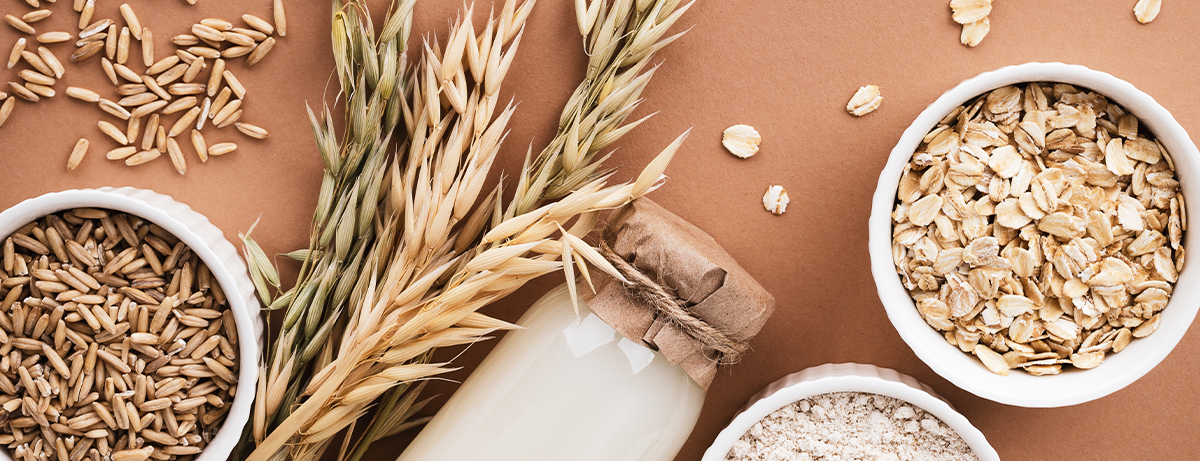
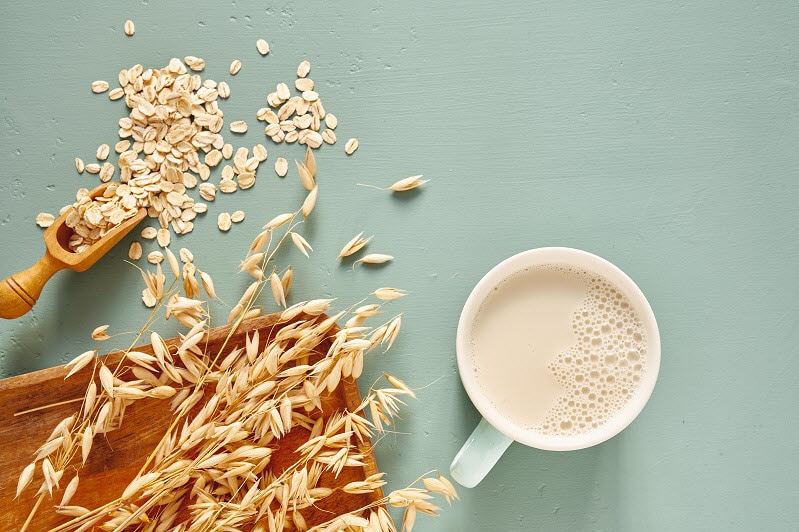
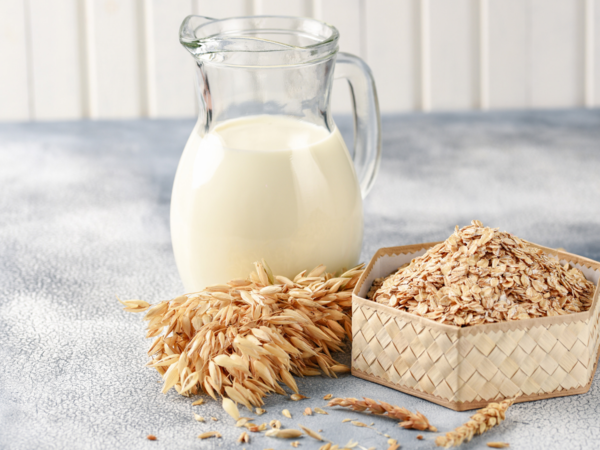
Before they are rolled, cut, or processed into the familiar flakes in your pantry, oats exist as groats. A raw oat groat is the entire, intact grain kernel with only the inedible outer hull removed. It is the purest form of the oat, containing all the fiber, protein, and essential nutrients intact within its structure. When you cook with raw groats, you are starting with the most authentic texture and flavor profile possible. It requires a longer cook time because the grain's protective bran and germ are completely sealed, but the payoff is a chewy, nutty, and incredibly satisfying bowl that simply cannot be replicated by pre-processed varieties.
Cooking whole oat groats is a test of patience, but it is easily mastered with a simple technique: the long soak. Because the groat is a dense, intact kernel, it needs time to rehydrate and soften before it even touches the heat. By soaking your groats in water for at least eight hours—ideally overnight—you are essentially pre-hydrating the fiber structure. This preparation step drastically reduces your active cooking time on the stove and ensures that the grain cooks evenly from the center out. It turns a potential culinary struggle into a predictable, smooth simmer that yields a perfect, chewy grain every time.
Once your groats are soaked, the stovetop simmer is where they finally transform into a meal. Unlike pre-rolled oats that cook in moments, whole groats require a gentle, sustained heat to soften the dense, fibrous kernel. Aim for a low, consistent bubble—the goal is to hydrate the grain without breaking it down into a mush. A heavy-bottomed pot is your best friend here, as it prevents scorching and maintains the steady temperature needed to finish the cooking process. Patience is the secret ingredient; keeping the lid on preserves the steam, which helps cook the groats through to the center, resulting in that signature, satisfying pop of texture.
Whole oat groats have a neutral, nutty base that makes them an incredible canvas for flavor. Because they have such a distinct, firm texture, they absorb spices and aromatics differently than thin, rolled oats. Adding cinnamon sticks, star anise, or a pinch of sea salt during the simmer allows these flavors to penetrate deep into the grain as it rehydrates. This is your chance to turn a basic whole grain into a complex, multi-layered meal. Experiment with sweet or savory infusions to discover the true versatility of the groat—when you build flavor during the simmer, it’s not just a topping; the entire grain becomes a celebration of your chosen profile.
Because whole oat groats contain the germ and natural oils, they are more sensitive to environment than their heavily processed, shelf-stable counterparts. To maintain the integrity, nutty flavor, and nutrient density of your stock, proper storage is non-negotiable. Oxygen, light, and moisture are the enemies of longevity. Keeping your groats in airtight, opaque glass or metal containers in a cool, dark pantry creates a protective micro-environment. When stored correctly, whole groats can maintain their peak nutritional profile for months, ensuring that your foundation for breakfast remains just as potent and flavorful as the day you brought it home.
Working with whole oat groats is a commitment to the craft of breakfast. It is a choice to slow down, respect the ingredient's natural state, and engage with the foundational elements of nutrition. By mastering the soak, the simmer, and the storage, you move beyond mere convenience and enter the realm of culinary mastery. You have taken the raw, intact kernel and transformed it through patience and technique into something uniquely yours. This is the heart of the New Horizons approach: understanding that the most rewarding outcomes often come from starting with the most basic, whole ingredients. You aren't just cooking; you are honoring the grain.
The purest form of oats for ultimate nutritional control.
Groats are the hulled, unprocessed kernels of the oat plant. They are the most intact form, retaining all the bran, germ, and endosperm for maximum fiber.
Unlike rolled oats, groats have a chewy, nutty texture similar to brown rice. They require longer soaking and cooking times, typically 45–60 minutes on the stovetop.
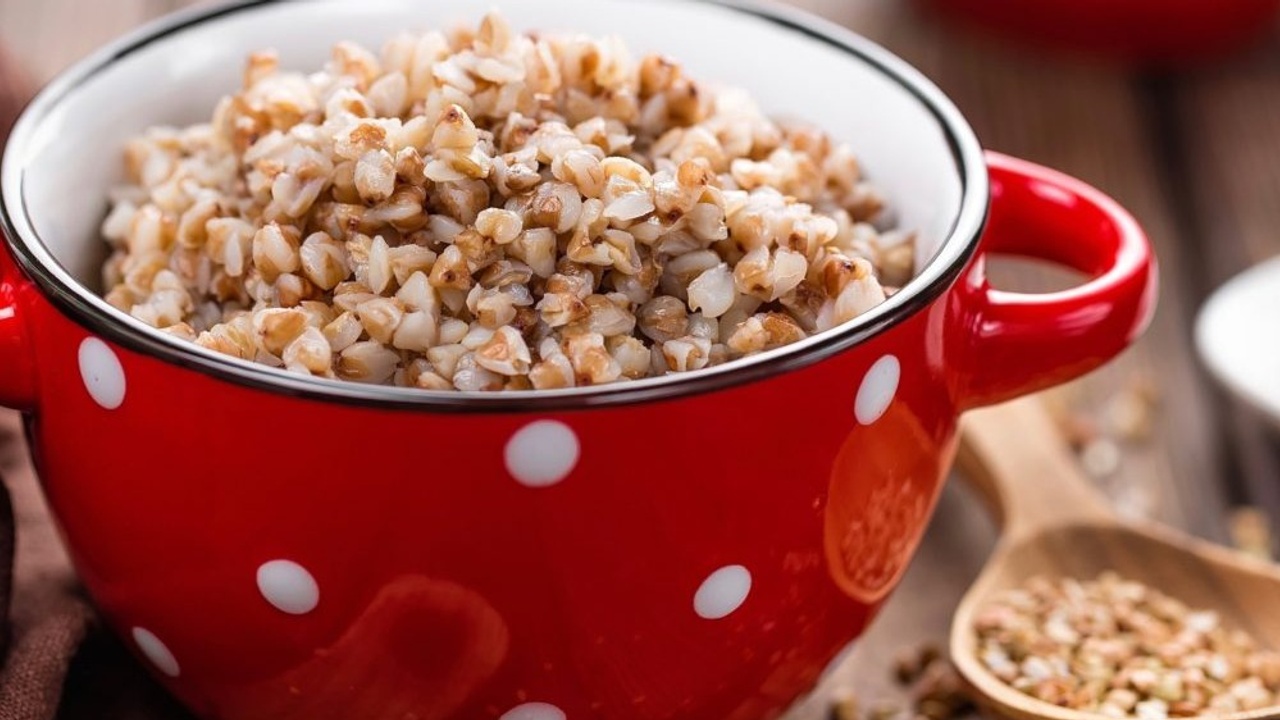
Choosing raw groats gives you total control over the processing. Because they are untouched, they are the best choice for those with extreme sensitivity to cross-contamination.