HOME
Kitchen
ABOUT
CONTACT

Engineering Flavor via Heat

Toasting oats is not merely a cooking step; it is a calculated chemical transformation. By subjecting raw, rolled, or steel-cut oats to dry, controlled heat, you trigger the Maillard reaction—a complex interaction between amino acids and reducing sugars. This process creates a depth of flavor, a deep amber coloration, and a distinct, toasted aroma that raw oats simply cannot replicate. Mastering the duration and temperature of this "dry-roast" phase allows you to move beyond the base cereal flavor and unlock the nutty, complex profile hidden within the grain's structure.

Primary Process Maillard Reaction
Key Indicator Aromatic Shift / Color Change
The Objective Depth & Nutty Complexity

Managing Thermal Application

Precision toasting is about managing energy transfer. Whether you use a heavy-bottomed skillet or a sheet pan in the oven, the goal is uniform heat distribution. If you toast in a pan, you must maintain constant motion—a gentle agitation of the grains—to prevent localized burning and ensure an even, golden-brown finish. If opting for the oven, spread your oats in a single, thin layer and rotate the pan midway through the cycle. The window between "perfectly toasted" and "burnt" is razor-thin; listen for the distinct nutty aroma and watch for a shade shift. Once that threshold is reached, remove them immediately from the heat source to stop the process instantly.

Pan Method Constant Motion / Agitation
Oven Method Single Layer / Mid-Cycle Rotation
Safety Protocol Immediate Heat Removal

Post-Toast Optimization

Once your oats have achieved that perfect golden-brown state, the goal shifts from active transformation to preservation of the newly developed complexity. You can further enhance this profile by introducing subtle aromatics while the oats are still warm—a pinch of sea salt, a dusting of cinnamon, or a hint of maple sugar can meld beautifully into the toasted grain. Storage is equally critical; because the toasting process removes internal moisture, the oats are highly susceptible to re-absorbing ambient humidity, which can soften their texture. Store them in an airtight glass container only after they have completely cooled, ensuring their crunch remains intact for your next use.

Flavor Enhancement Infuse While Warm
Crucial Step Cool Completely Before Sealing
Texture Defense Airtight Glass Containment

The Modular Toasted Utility

Toasted oats are not merely a finished breakfast item; they are a high-impact modular component for your kitchen. By integrating them into your routine, you gain a versatile tool that elevates texture and flavor profile across various applications. Use them as a crunchy topping for yogurt or smoothie bowls to provide necessary structural contrast, fold them into muffin batters to introduce a deep, toasted complexity, or even process them briefly into a rustic crumble for fruit-based desserts. Treating toasted oats as a fundamental "building block" allows you to inject sophistication into simple meals, embodying the New Horizons ethos of precision and culinary intent.

Structural Contrast Yogurt / Smoothie Toppings
Flavor Injection Batter & Dough Fold-Ins
Strategic Utility Culinary Building Block

Mastering the Margin of Error

Even with precision, the toasting process can be temperamental. If you notice uneven browning, it is almost always a symptom of poor surface area distribution; ensure your oats are in a single, non-overlapping layer to allow for maximum heat exposure. If the oats taste "raw" but are beginning to darken, lower your heat source—this indicates you are burning the surface before the interior has reached the necessary temperature for the Maillard reaction. By observing these subtle cues, you evolve from simply following instructions to actively managing the physics of the grain, ensuring your results are consistent, professional, and repeatable every single time.

Uneven Browning Increase Surface Spacing
Surface Burning Reduce Thermal Intensity
Mastery Indicator Predictable Flavor Profile

Finalizing Your Toasted Mastery

You have journeyed from the fundamental chemistry of the Maillard reaction to the practical integration of toasted oats into a versatile culinary workflow. By mastering heat management, storage protocols, and troubleshooting common variables, you have moved beyond basic recipe adherence into true kitchen proficiency. This series completes your technical exploration of oat preparation—from raw groat to toasted grain. These modular sections are now a permanent part of your New Horizons digital infrastructure, serving as a testament to your commitment to precision, efficiency, and continuous improvement in all your creative endeavors.

The Philosophy Intentional Thermal Control
The Methodology Precision in Preservation
The Outcome Mastery of Culinary Physics

TOASTED OATS: FLAVOR ELEVATION

Transforming texture and depth through simple heat application.

THE TOASTING METHOD

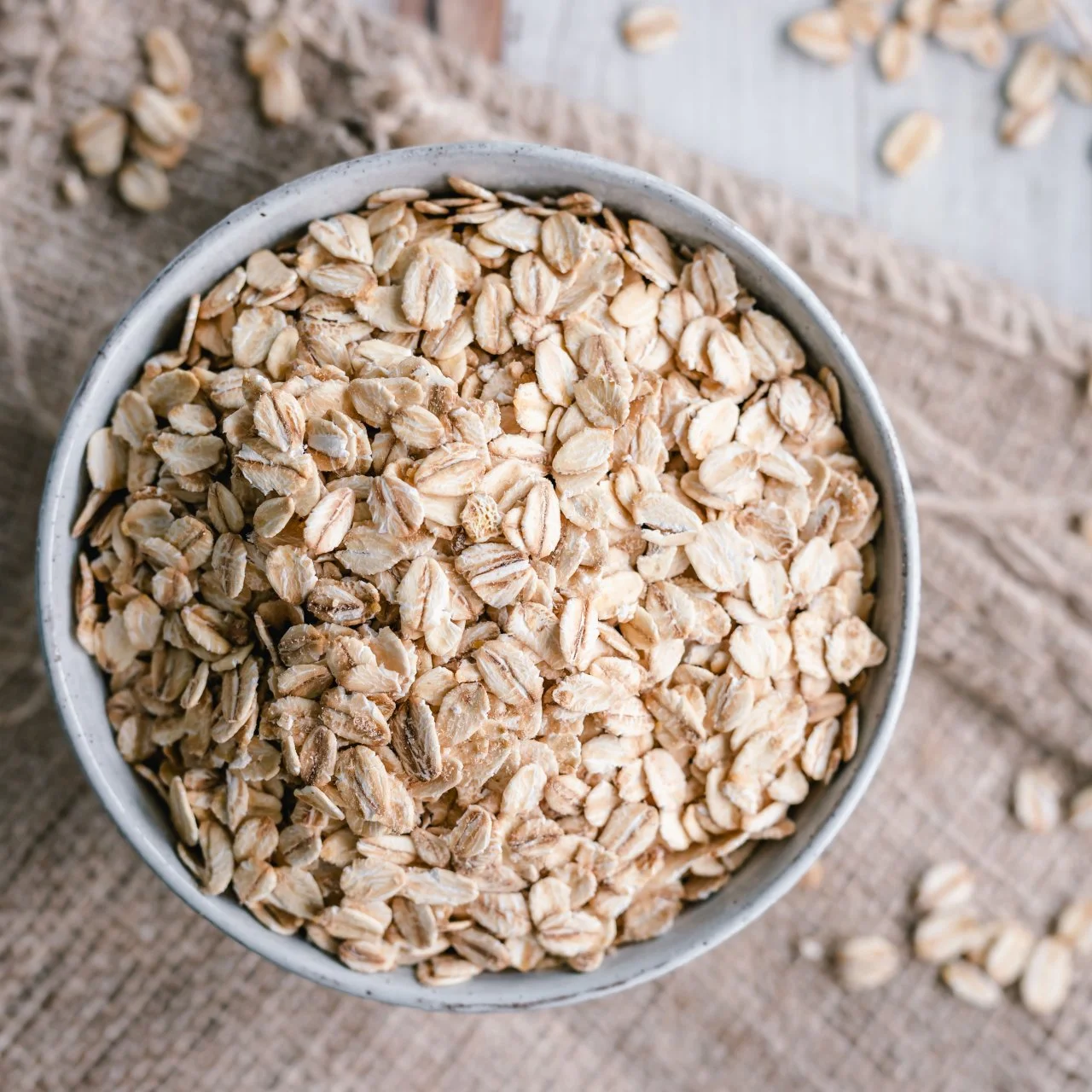
Spread your certified gluten-free oats in a thin layer on a baking sheet. Toast in a 350°F oven for 5–10 minutes, stirring occasionally, until golden and aromatic.
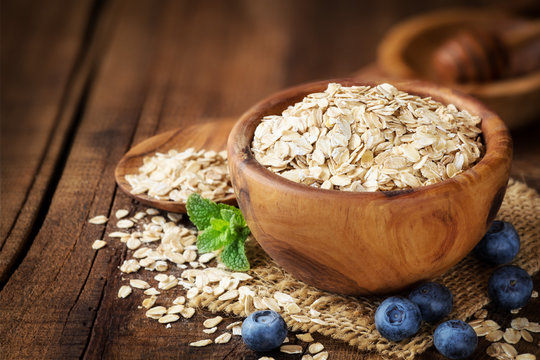
Toasting oats

WHY TOAST?

Toasting deepens the natural nutty flavor of the oat and helps it maintain a firmer, less mushy texture when cooked, making it perfect for granola or yogurt toppings.

Golden toasted oats

SAFETY PRECAUTION

Always use a dedicated, clean baking sheet. Using a sheet previously used for wheat-based baking poses a high risk of cross-contact. Keep your toaster oven exclusively gluten-free.


Safe baking


Try Tool!

NEW
Butter Gram to Cup Converter

Butter Gram to Cup

NEW
Oat Gram to Cup Converter

Oat Gram to Cup

NEW
Ghee Gram to Cup Converter

Ghee Gram to Cup

UPDATE
Gram to Cup Converter

Gram to Cup


Dive Deep Kitchen!

Oat Types

GUIDE / 2026

OAT VARIETIES

ROLLED VS. STEEL-CUT DENSITY.

LEARN MORE
Moisture

SCIENCE / 2026

OAT MOISTURE

HOW HUMIDITY AFFECTS WEIGHT.

LEARN MORE
Gluten Free

HEALTH / 2026

GLUTEN-FREE

ARE YOUR OATS REALLY SAFE?

LEARN MORE
Instant Oats

COOKING / 2026

COOKING SPEED

INSTANT VS. QUICK OATS.

LEARN MORE
Groats

BASICS / 2026

RAW GROATS

THE WHOLE GRAIN GUIDE.

LEARN MORE
Bran

NUTRITION / 2026

OAT BRAN

FIBER DENSITY EXPLAINED.

LEARN MORE
Flour

TECHNIQUE / 2026

OAT FLOUR

HOW TO GRIND AT HOME.

LEARN MORE
Packing

PHYSICS / 2026

COMPRESSION

WHY PACKING DENSITY MATTERS.

LEARN MORE
Jumbo

COMPARISON / 2026

JUMBO FLAKES

TEXTURE DIFFERENCES.

LEARN MORE

Written By

Author

Senior Culinary Density Researcher

Binul Nethaka

Combining mathematical precision and culinary science to provide the best free, fast, and highly accurate conversion experience for bakers and chefs worldwide.