NEW

Butter Gram to Cup
NEW

Oat Gram to Cup
NEW

Ghee Gram to Cup
UPDATE

Have you ever wondered why your oat measurements feel a little different from day to day? It often comes down to packing density—how those oats are arranged in your measuring cup. When you scoop directly from the bag, you might be unintentionally compressing them, packing more grain into the cup than you realize. A tightly packed cup holds more oats, which can lead to a much thicker bowl of porridge, while a light, airy scoop might leave your breakfast feeling thin. Mastering your "scoop style" is the secret to getting that perfect, consistent porridge every single morning.
Want to keep your porridge consistent every morning? Stop digging your measuring cup directly into the bag! When you scoop that way, you unintentionally compress the oats, packing more grain into the cup than you realize. Instead, use a spoon to gently lift the oats into your measuring cup until it is full, then use the back of a knife to sweep off the excess. No tapping, no shaking, and definitely no pressing. This simple, light-handed technique keeps the oats airy and ensures your measurements are perfectly accurate, leading to that creamy texture you love every time.
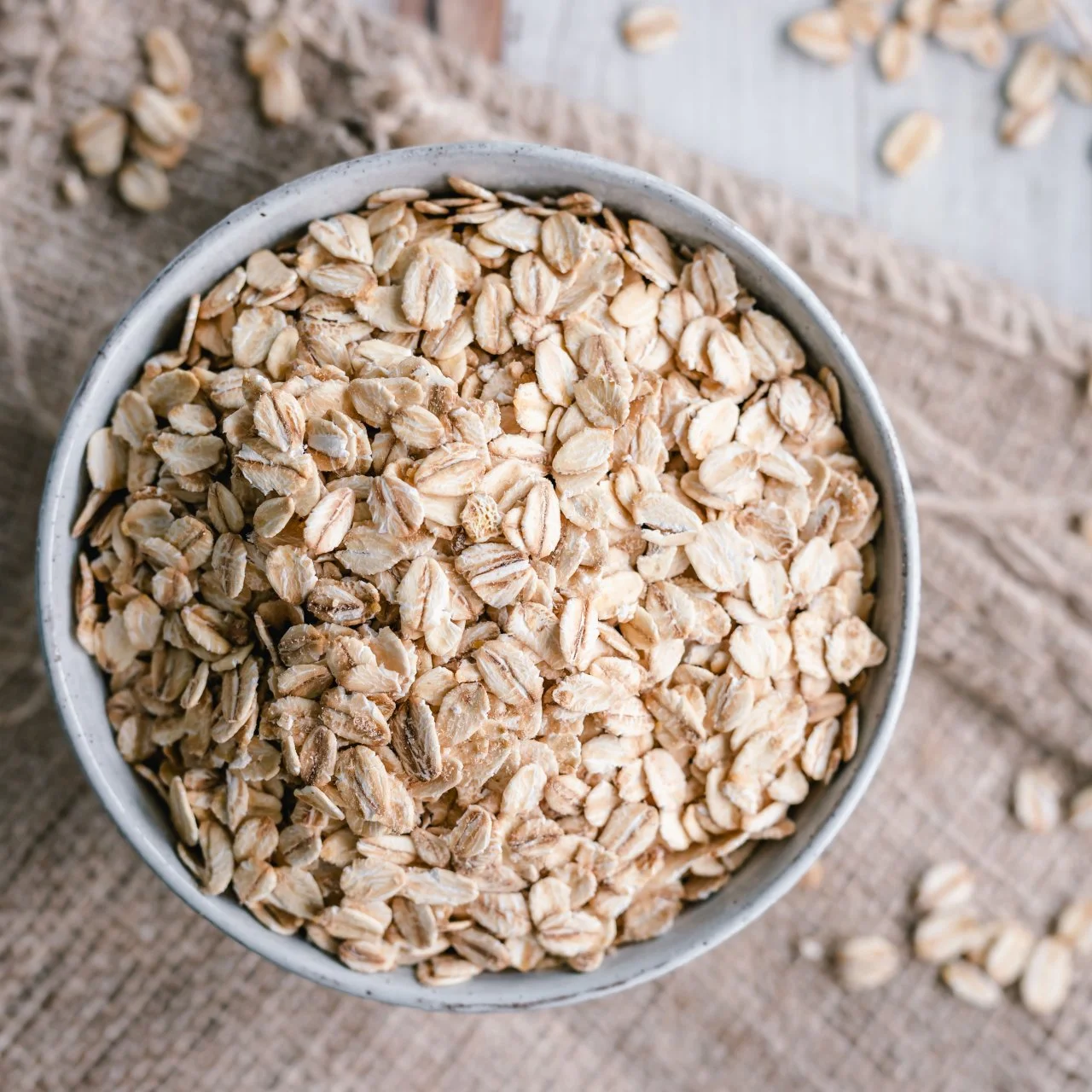
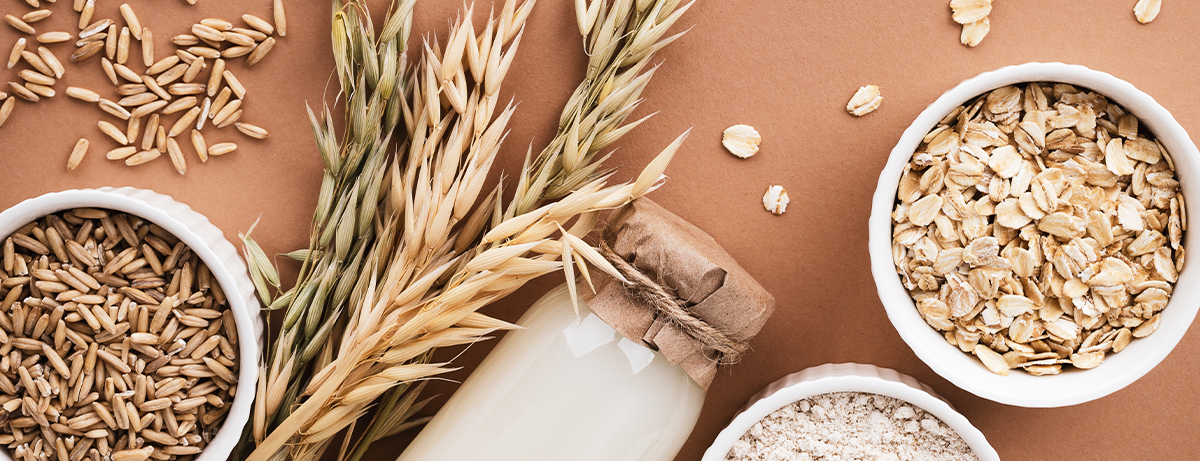
Not all oats play by the same rules when it comes to packing density. Because of their unique shapes and sizes, different varieties fill your measuring cup in very different ways. Steel-cut oats, which are small, round, and dense, tend to fill in the gaps quickly and pack down with very little effort. Rolled oats, on the other hand, are flat and flakey; they naturally create more air pockets, meaning they don't pack as tightly. Understanding these physical differences is the secret to getting the perfect texture every single time—you’ll learn that a "full cup" of one variety might behave very differently than a "full cup" of another in your cooking pot.
It isn't just how you scoop; it's also how your oats are stored. If you keep your oats in a deep bin where the weight of the grain rests on itself, the oats at the bottom are under constant pressure. This "storage compression" can make them denser over time, changing how they behave when you eventually scoop them out. To keep your oats consistent, consider shallower storage containers or smaller batches. Reducing the weight that presses down on your grains ensures that every scoop remains light, airy, and predictable, regardless of how deep into the container you are.
Your choice of measuring tool actually influences how much you compress your oats. A wide-mouthed scoop or a flat-bottomed measuring cup makes it much easier to lift a precise amount without pressing down on the grain. Conversely, deep, narrow scoops encourage you to "dig" into the container, which naturally leads to more compression and denser scoops. By selecting the right tool—one that allows you to easily scoop and level without needing to jam it into the oats—you automatically remove the guesswork from your morning routine, keeping every bowl consistent and perfectly balanced.
Ultimately, mastering compression is about one thing: predictability. When you understand how your oats pack, how your storage container influences density, and how your tools affect your scoop, you stop being a cook who "hopes" the porridge turns out well and become a chef who "knows" it will. Consistency in the kitchen isn't about being robotic; it's about eliminating the variables you can control so you can focus on the flavors you enjoy. By standardizing your technique, you ensure every bowl is the perfect version of itself, day after day.
Loading recommended tools...




:max_bytes(150000):strip_icc()/oat-milk-ft-recipe0520-1-df125462d2ac4a9b81ddf49ff56b4a08.jpg)