NEW

Butter Gram to Cup
NEW

Oat Gram to Cup
NEW

Ghee Gram to Cup
UPDATE

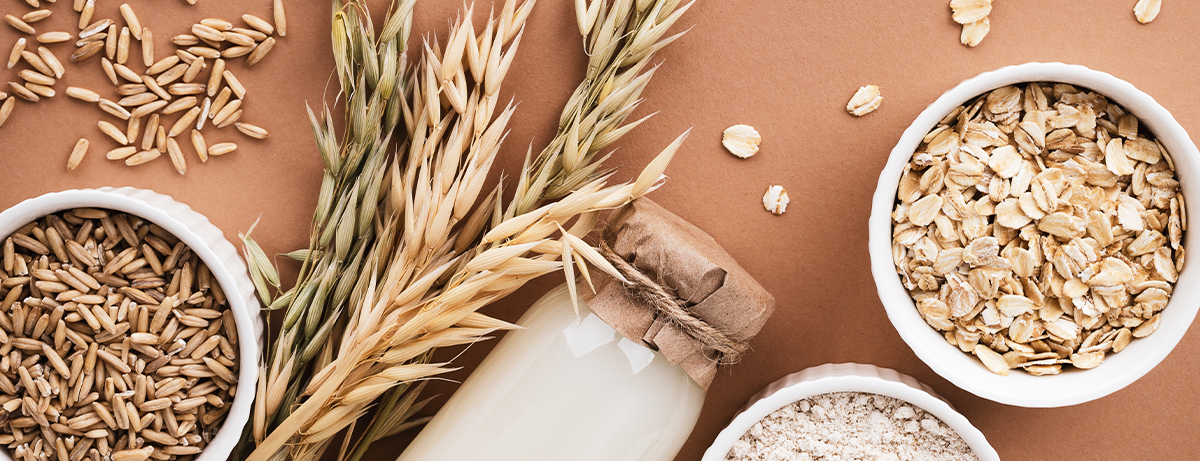
The oat (Avena sativa) kernel, or groat, consists of three primary components: the outer bran, the starchy endosperm, and the nutrient-dense germ. Processing these kernels involves cleaning, kiln-drying (to stabilize enzymes), and de-hulling. The degree of mechanical breakdown applied to the groat after de-hulling defines the final variety. Understanding this structural transformation is essential, as the surface area-to-volume ratio directly influences water absorption, starch gelatinization, and final cooking texture.
Steel-cut oats are produced by passing whole oat groats through steel blades, which slice the kernel into several small pieces. Because the germ and bran remain intact within these pieces, steel-cut oats retain a higher fiber content and a distinct, chewy texture. This variety requires a longer cooking time compared to rolled oats because the liquid must penetrate the dense, unflattened endosperm. They are highly valued for their low glycemic index and nutty flavor profile.
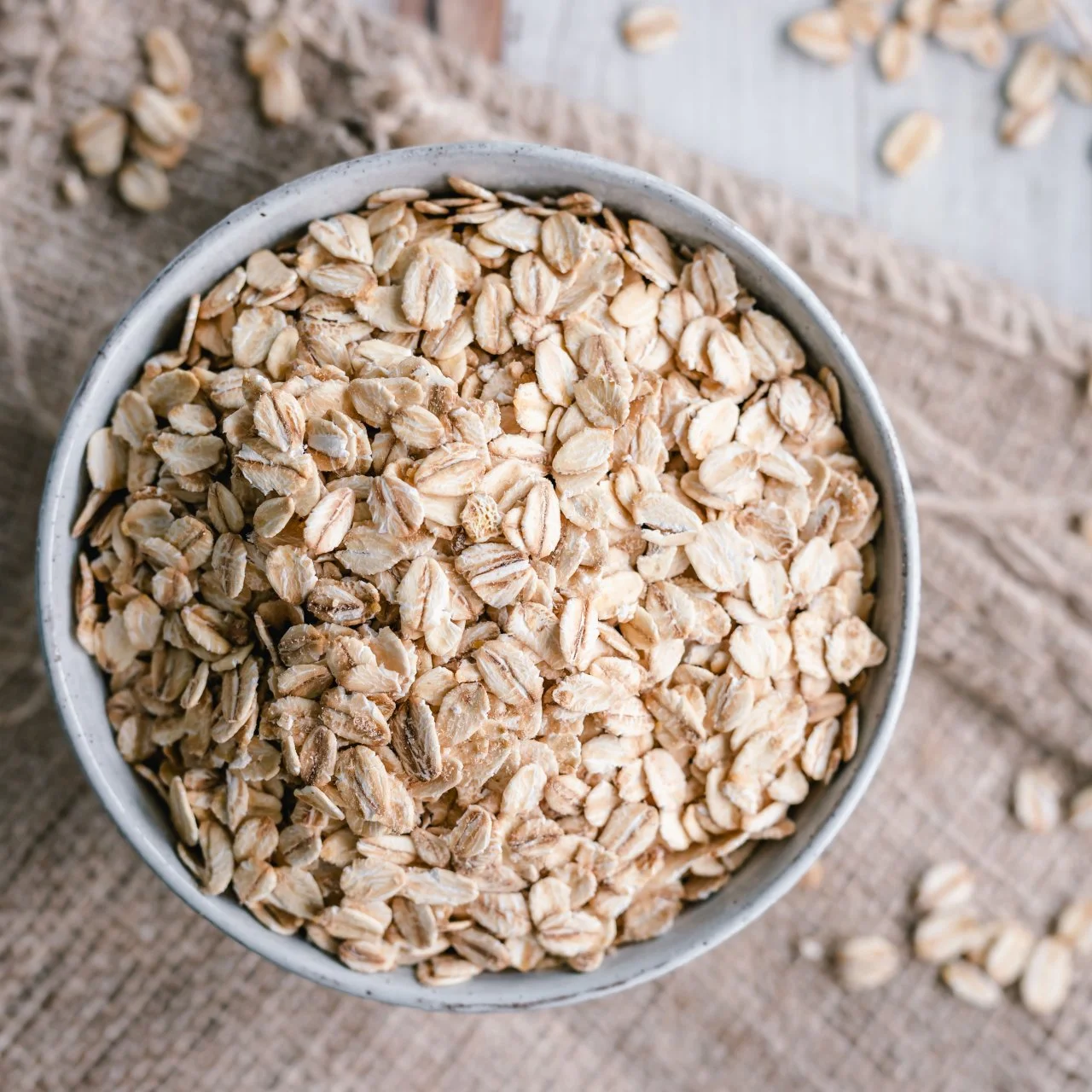
Rolled oats, or "old-fashioned" oats, are produced by first steaming the de-hulled groats to soften them, then passing them through heavy rollers to flatten them into flakes. This process significantly increases the surface area of the grain, allowing water to permeate the starch matrix much faster than in steel-cut varieties. While the bran and germ are still present, the structural breakdown from rolling allows for faster gelatinization during cooking, resulting in a tender texture that still retains some shape and bite.
Instant oats undergo the most intensive processing of all varieties. After the groats are steamed and rolled, they are processed into even thinner flakes or partially pre-cooked. This process significantly accelerates the rate of starch gelatinization during final preparation. Because the grain structure is largely broken down, these oats rehydrate almost instantly when exposed to boiling water, making them ideal for quick-service meals. However, this high degree of processing leads to a much softer, sometimes porridge-like texture compared to the structural integrity of steel-cut or rolled varieties.
Processing beyond flaking—specifically into oat flour—completely disrupts the cellular matrix of the endosperm. While this provides rapid energy availability, it also dramatically alters the glycemic index (GI). Conversely, minimally processed groats require more enzymatic effort to digest, leading to a slower, more sustained release of glucose. Nutritional considerations must also account for the stability of beta-glucan (a soluble fiber known for cholesterol-lowering properties), which can be impacted by excessive heat during processing. The choice of oat variety is therefore a strategic balance between culinary convenience and metabolic intent.
Cooking oats is fundamentally an exercise in hydrational management. Each variety’s surface area and density dictate its specific liquid requirement and thermal threshold. Using incorrect ratios or excessive heat can lead to incomplete starch gelatinization (raw-tasting oats) or excessive breakdown (gummy texture). Precise measurement and controlled heat application allow the beta-glucans to hydrate properly, achieving the ideal creamy-yet-structured consistency.
Loading recommended tools...


:max_bytes(150000):strip_icc()/AR-19247-soft-oatmeal-cookies-ddmfs-beauty-4x3-a47bb0cc883742ba9ba731167b9c08dc.jpg)

:max_bytes(150000):strip_icc()/oat-milk-ft-recipe0520-1-df125462d2ac4a9b81ddf49ff56b4a08.jpg)