Saturn
Welcome To Saturn

Saturn

Ring Particle Collision

Thickness / Scale Ratio

Shepherd Moon Gravity
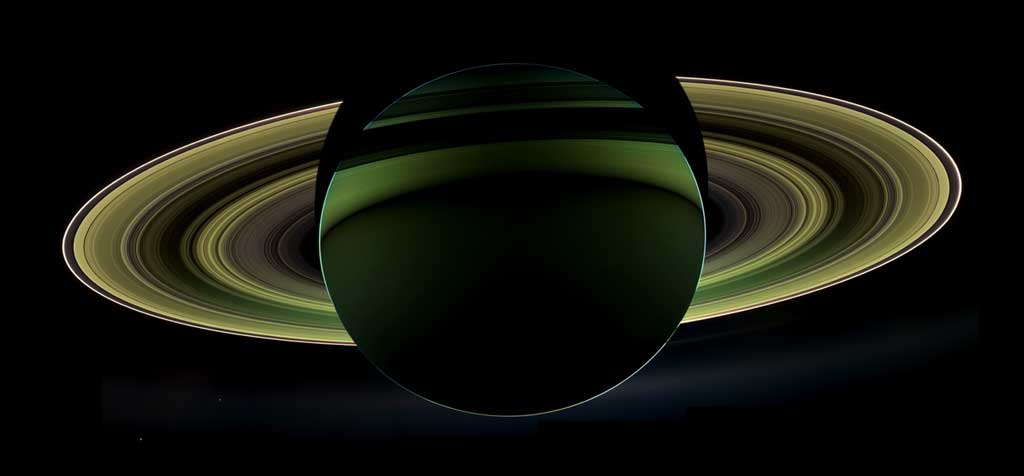
Roche Limit Calc

Dust to Ice Ratio
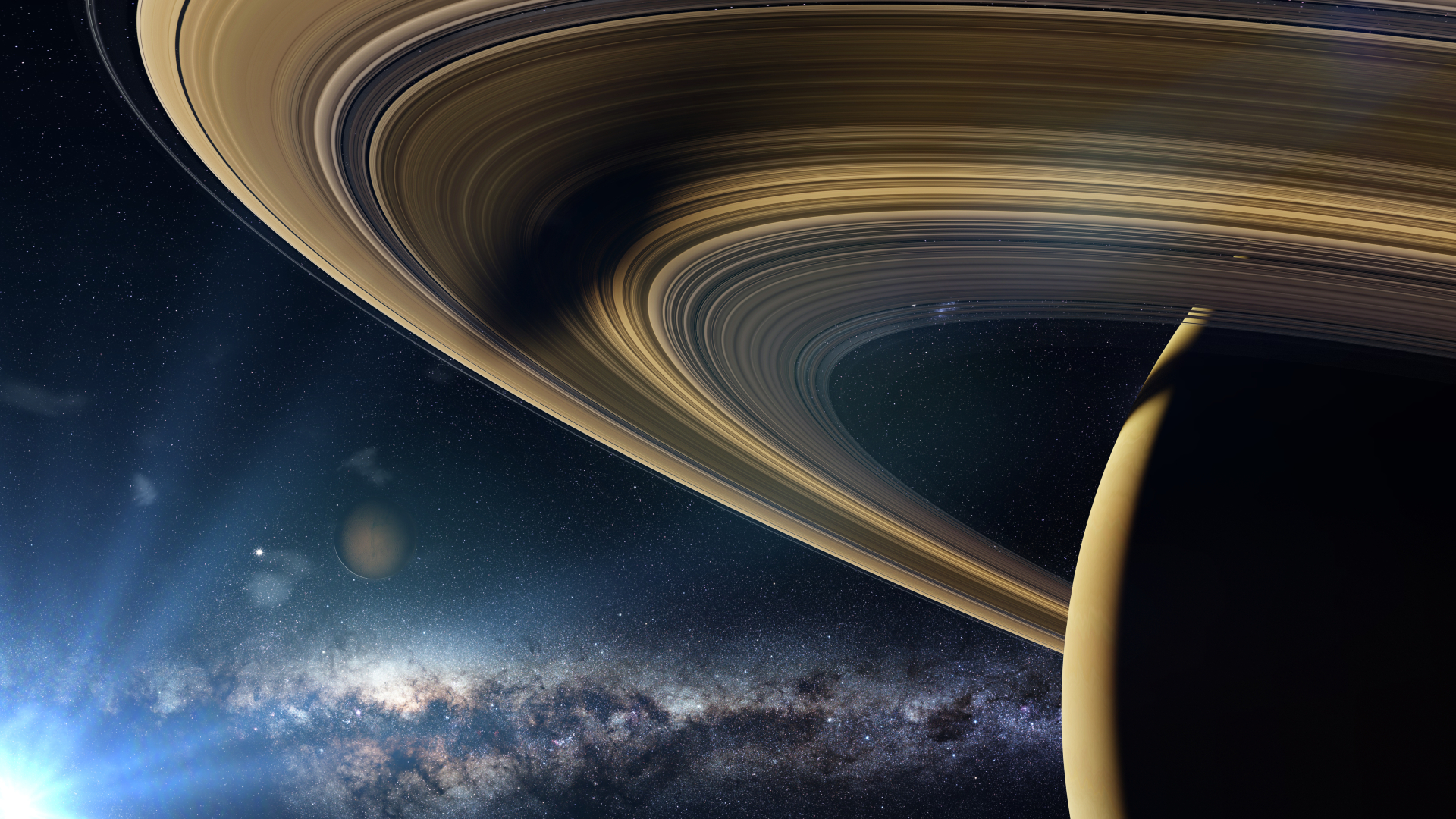
Ring Orbital Speed

Hexagon Wind Speed

Saturn's Density

Helium Rain Energy

Diamond Rain Energy

Supersonic Jet Streams

Methane Rain Ratio

Human Flight on Titan

Hydrocarbon Lake Depth

Titan Buoyancy

Gravity Well

Atmospheric Opacity

Enceladus Geyser Height

Light Travel Delay
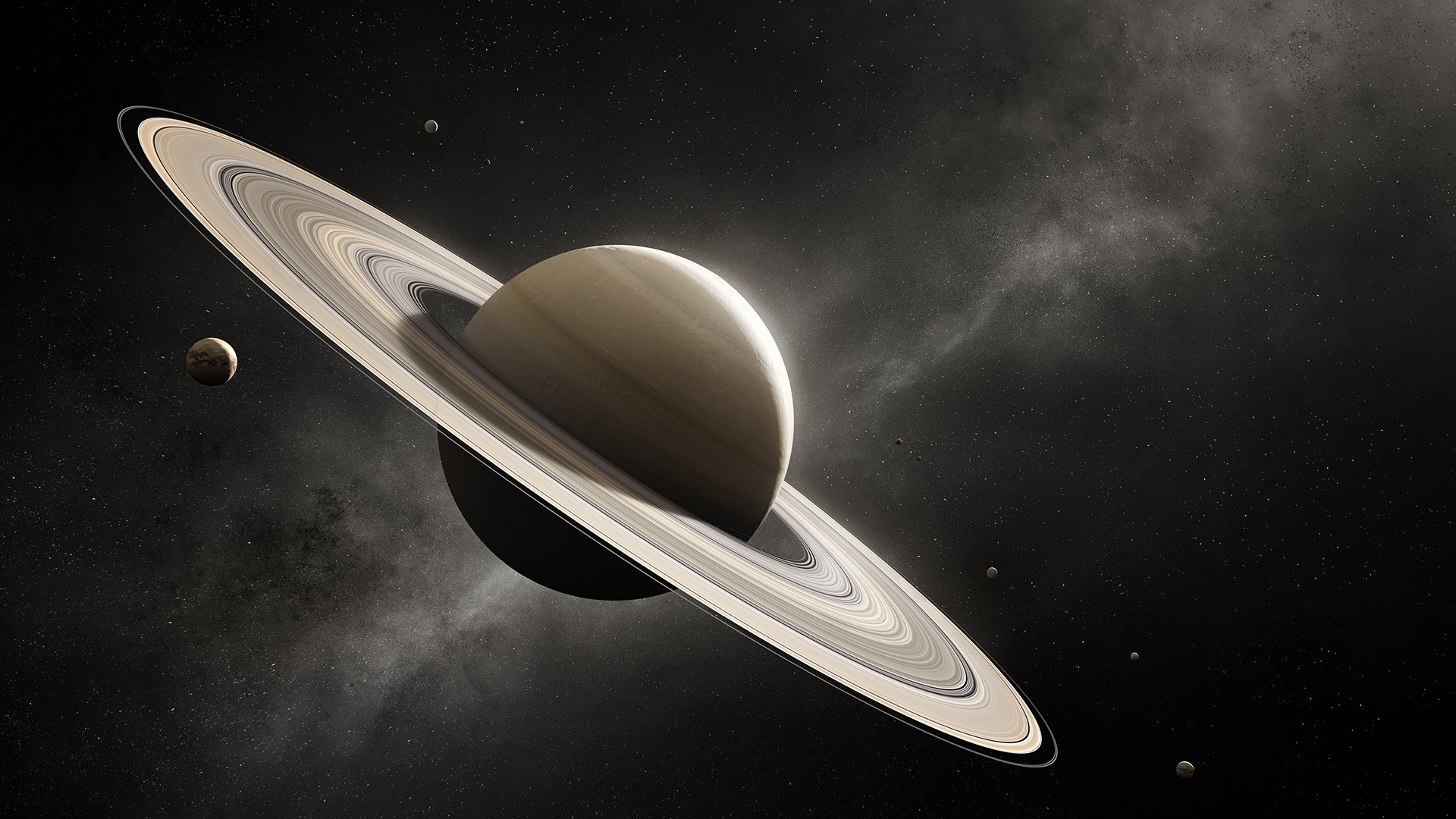
Saturn Season Tilt
/https://tf-cmsv2-smithsonianmag-media.s3.amazonaws.com/filer_public/ca/b0/cab0042a-70c0-4d60-a94a-20474eb1885b/gettyimages-560665807.jpg)
3D Model of Saturn
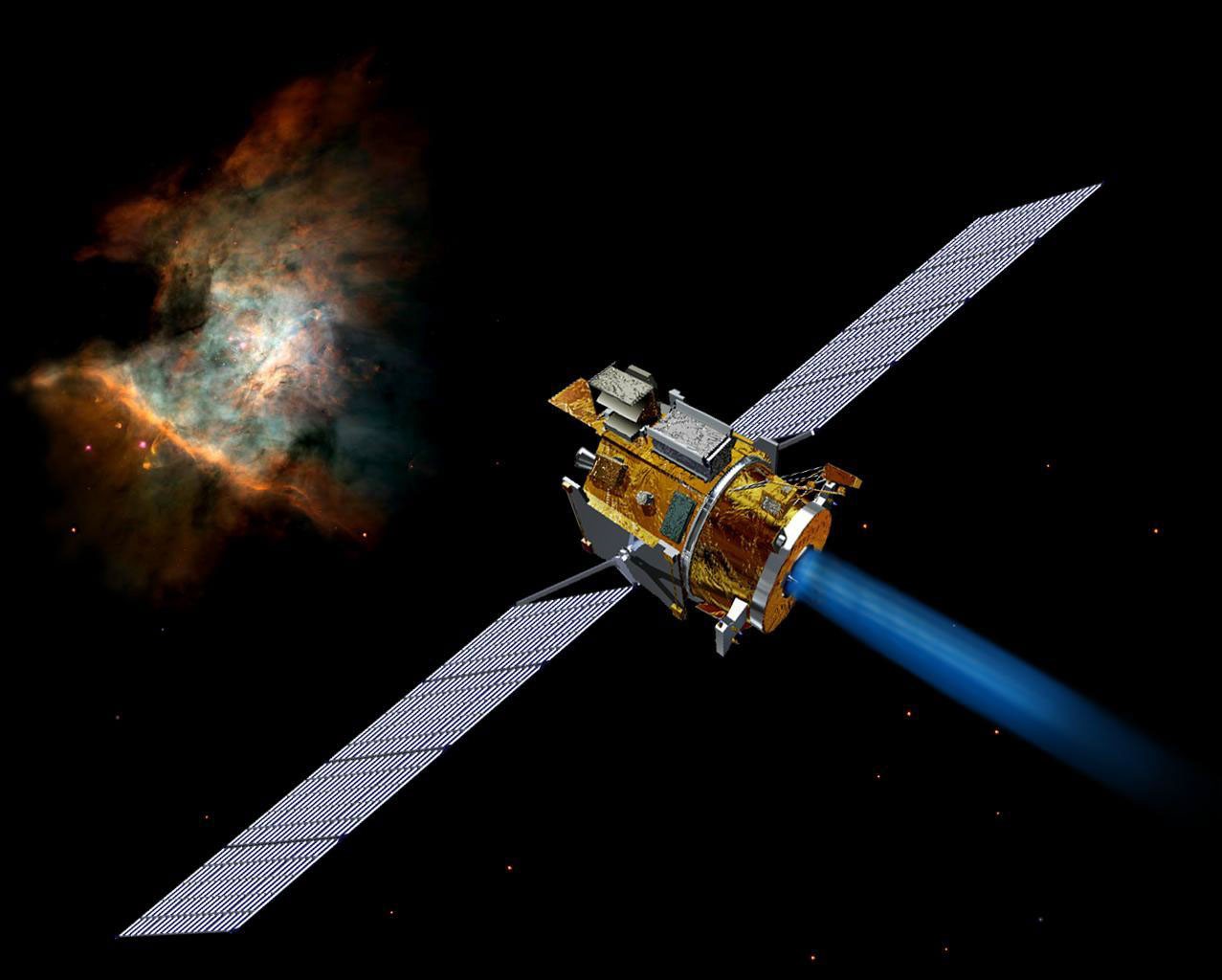
Saturn Mysteries
FOUNDATIONS / PLANETARY PROFILES
SATURN: LORD OF THE RINGS
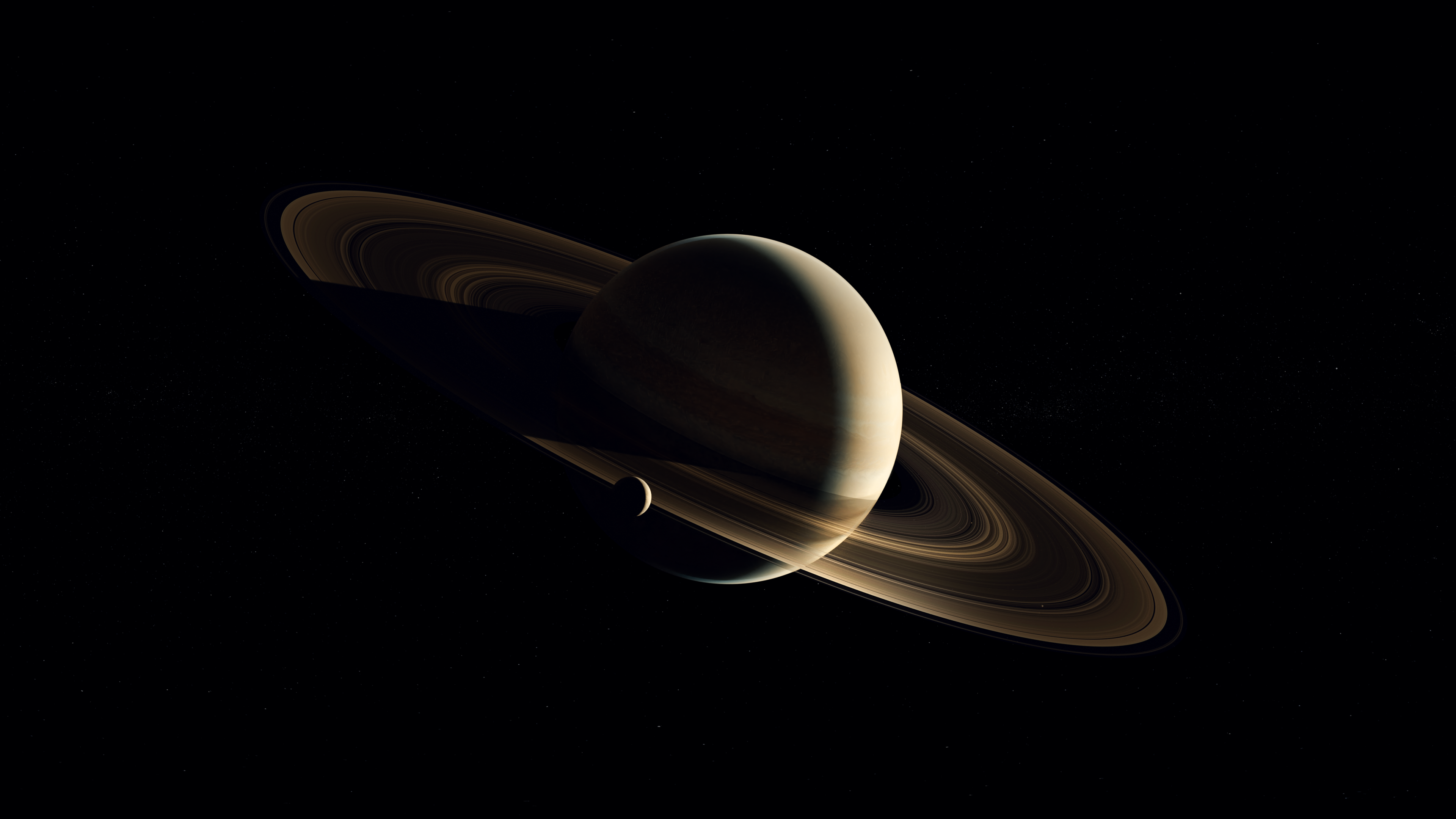
Saturn is a gas giant primarily composed of hydrogen and helium, distinguished most notably by its extensive, intricate ring system made of billions of particles of ice and dust. It has a complex and dynamic atmosphere with high-velocity winds and a massive, rotating magnetic field. For New Horizons, Saturn is a premier laboratory for studying ring dynamics—which mirror the formation of planetary disks—and exploring high-interest moons like Titan, which possesses a thick atmosphere and liquid hydrocarbon seas.
FOUNDATIONS / STRATEGY
WHY STUDY SATURN?
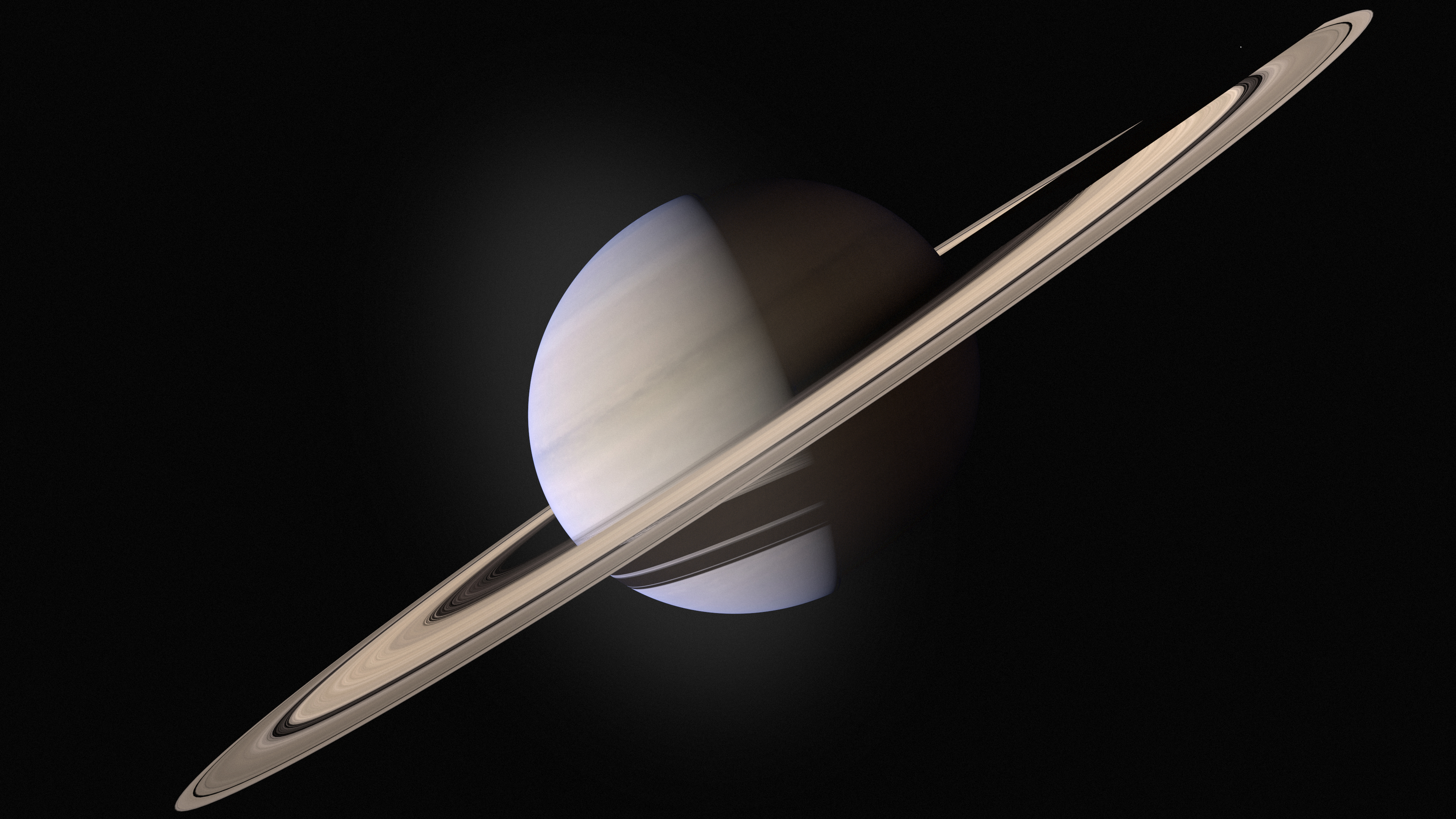
Learning about Saturn is vital because it acts as a gateway to understanding planetary disk formation and prebiotic chemistry. Its ring system provides real-time data on how celestial disks organize matter, while its moons—specifically Titan and Enceladus—offer the most promising environments for studying organic chemistry and sub-surface ocean potential outside of Earth. By studying Saturn, we refine our ability to conduct long-duration deep-space missions and expand our knowledge of the conditions necessary for life.
FOUNDATIONS / STRATEGY
WHY STUDY SATURN?
Learning about Saturn is vital because it acts as a gateway to understanding planetary disk formation and prebiotic chemistry. Its ring system provides real-time data on how celestial disks organize matter, while its moons—specifically Titan and Enceladus—offer the most promising environments for studying organic chemistry and sub-surface ocean potential outside of Earth. By studying Saturn, we refine our ability to conduct long-duration deep-space missions and expand our knowledge of the conditions necessary for life.
RINGS SYSTEM
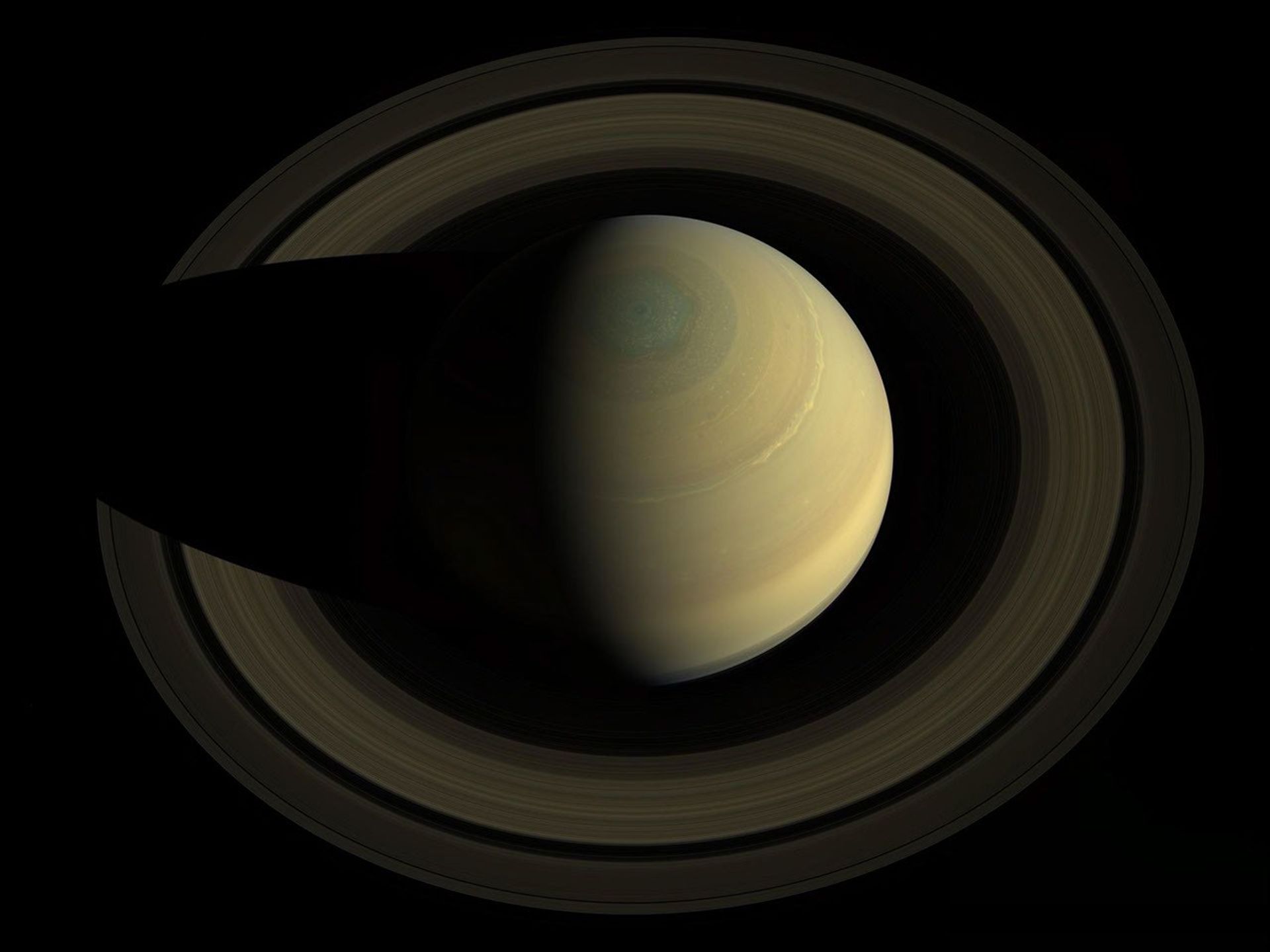
The most complex ring system in the solar system, made of billions of ice and rock particles.
EXPLOREATMOSPHERE
A gas giant composed mostly of hydrogen and helium, featuring a massive, mysterious hexagon-shaped storm.
DATAMOON TITAN
The largest moon of Saturn, Titan has a thick atmosphere and liquid methane lakes on its surface.
READROTATION
Saturn spins very fast, completing a rotation in just 10.7 hours, causing the planet to bulge at its equator.
ORBITALCASSINI MISSION
The Cassini-Huygens spacecraft provided groundbreaking data and images of the entire Saturnian system.
ARCHIVESINTERNAL CORE
A dense, hot core of metallic hydrogen and rocky materials, surrounded by a layer of liquid metallic hydrogen.
RESEARCHJoin Our Newsletter
Stay updated with the latest astronomical discoveries, space mission updates, and community events from HORIZONS. It is an honor to have you join our journey through the stars.