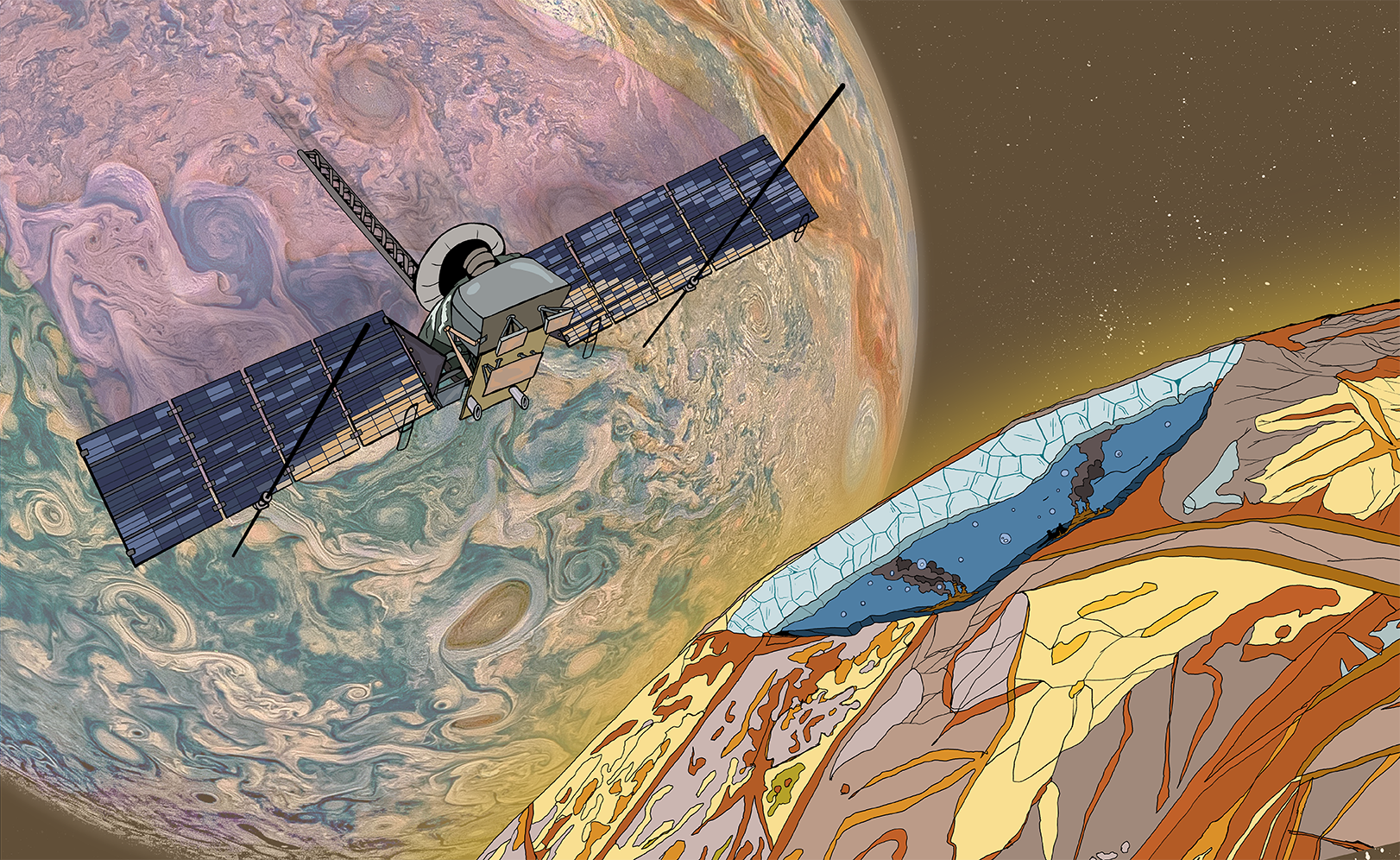
Europa, the moon of Jupiter, is one of the most compelling locations in our solar system due to its vast, global subsurface ocean. Beneath an outer shell of frozen water estimated to be 15-25 kilometers thick, lies a liquid layer that may be up to 100 kilometers deep. This ocean is kept in a liquid state primarily through tidal heating—the gravitational tug-of-war between Jupiter and the other Galilean moons, which flexes Europa’s interior and generates significant internal heat.
The chemical makeup of Europa’s ocean is a key driver of its geophysical behavior. Spectroscopy of the surface "chaos terrain" suggests the presence of magnesium sulfates and sodium chlorides. This high salinity makes the ocean electrically conductive. When this moving, conductive fluid interacts with Jupiter’s intense, rotating magnetic field, it generates an "induced magnetic field." This phenomenon is the primary evidence confirming the existence of the liquid ocean.
On Earth, deep-sea hydrothermal vents—fueled by volcanic heat—support vibrant ecosystems entirely independent of sunlight. Scientists hypothesize that similar activity occurs on the floor of Europa's ocean. Tidal dissipation creates internal heat that is released through the silicate mantle, potentially driving underwater volcanoes or "cold seeps." This interaction is vital because it introduces minerals and chemical gradients (like hydrogen and sulfur compounds) into the water.
Europa's icy crust is not a static lid; it is a geologically active boundary layer. Through processes like "convective overturning" and the formation of "chaos terrain," material from the deep ocean can be transported toward the surface. Tidal flexing causes cracks and ridges, and periodically, plumes of liquid or slushy ice may erupt or migrate upward through the crust.
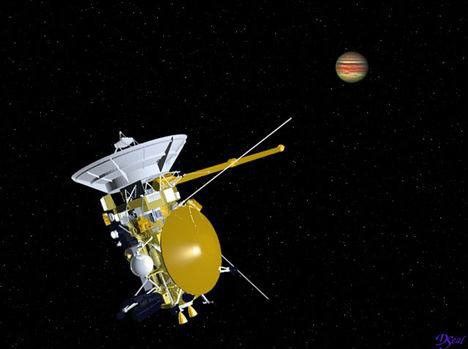
Exploring Europa requires bridging the gap between orbital observation and direct sampling. Future missions, such as the Europa Clipper and potential lander concepts, are designed to penetrate the mystery of the ice shell. Strategies include high-resolution radar sounding to map internal liquid pockets, and mass spectrometry of potential surface plumes to detect organic molecules. By analyzing these "cryo-volcanic" messengers, we can gain chemical insight into the ocean's habitability without the engineering nightmare of drilling through kilometers of ice.
We have now constructed a comprehensive technical framework for the Jovian moon Europa. From the tidal forces driving a global internal ocean to the complex chemical gradients maintained by seafloor activity, Europa stands as the solar system’s most accessible window into habitable, non-terrestrial environments. The dynamic nature of the ice shell acts as both a barrier and a conduit, facilitating the transport of potential biomarkers to the surface. This multi-layered analysis provides the foundational data necessary for mission planning, from initial flyby reconnaissance to the eventual landing and sub-ice exploration of this hidden liquid world.
To truly understand Europa's ocean, we must physically enter it. The current proposed solution is the "Cryobot"—a thermal-drilling probe designed to melt through the 15-25 km thick ice crust. This vehicle operates by heating its nose-cone to melt the surrounding ice, which then refreezes behind it, essentially "sealing" the path as it descends. The primary engineering hurdle is communication: how to relay data through kilometers of solid, radio-opaque ice to the surface lander, which then transmits to an orbiting relay satellite.
Once the Cryobot reaches the liquid ocean, it deploys an Autonomous Underwater Vehicle (AUV). Unlike the descent probe, this craft is designed for buoyancy-driven or propeller-driven maneuverability. Its core mission is to map the seafloor, identify hydrothermal vent sites, and perform in-situ water analysis. Because the ocean is pitch-black and potentially high-pressure, the AUV relies on sonar mapping, acoustic navigation, and automated biosignature detection sensors to operate without human intervention, ensuring it can traverse vast distances to locate biological hotspots.
Data transmission from the bottom of an alien ocean to an Earth-based deep-space network is a multi-stage relay problem. The AUV transmits acoustic or optical data to the Cryobot, which acts as a central hub. From there, the data must travel through the kilometers of icy crust via a physical tether (fiber-optic cable) or a series of "radio repeaters" embedded within the ice as the probe descends. Once the signal reaches the surface lander, it is beamed up to a high-bandwidth relay satellite in Jovian orbit, which finally compresses and transmits the packet back toward Earth across the vast distances of the solar system.