Voyeger
VOYAGER 1 & 2
INTERSTELLAR AMBASSADORS
Beyond the Solar System
Launched in 1977, the Voyager mission has explored the outer planets and is now the only human-made object in interstellar space.
The space between the stars.
Cape Canaveral, Florida.
Interstellar Sync
Deep Space Mapping. Monitoring the Heliosphere-Exit Buffer to track Voyager 1's position in interstellar space.
- 🛰️ Distance: 24+ Billion KM Sync.
- 📡 Signal: 22-Hour One-Way Protocol.
- 🌌 Plasma: PWS Density Buffer.
Record Sync
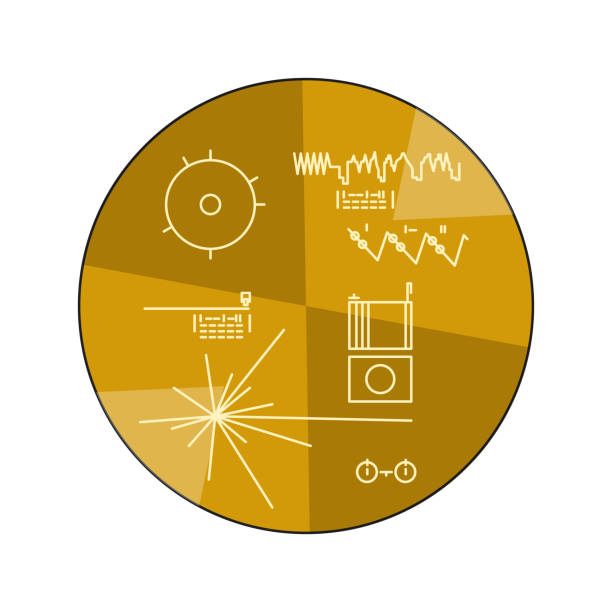
Legacy Mapping. Monitoring the Phonograph Buffer to track the 115 images and sounds of Earth.
- 📀 Format: Gold-Plated Copper Sync.
- 🎶 Audio: 27 World Music Protocol.
- ⚛️ Clock: Pulsar Map Buffer.
Atomic Sync
Thermal Mapping. Monitoring the RTG (Radioisotope Thermoelectric Generator) to track Pu-238 decay.
- ☢️ Fuel: Plutonium-238 Sync.
- ⚡ Wattage: -4W/Year Decay Protocol.
- 🔋 Life: 2030+ Operational Buffer.
Plasma Sync
Medium Mapping. Monitoring the Interstellar-Plasma Buffer to track Voyager 1’s 15-Billion-Mile trajectory.
- 🌌 Medium: Interstellar Plasma Sync.
- 🛡️ Boundary: 2012 Heliopause Protocol.
- 📡 Latency: 22.5 Hour Comms Buffer.
Tour Sync
Gravity Mapping. Monitoring the Multi-Planetary Buffer to track the 175-year alignment of the outer giants.
- 🪐 Trajectory: 4-Planet Slingshot Sync.
- 🌀 Legacy: Neptune/Uranus First-Look Protocol.
- 📐 Alignment: Rare Celestial Buffer.
INTERSTELLAR MISSION / LONG-TERM OPS
THE LONGEST VOYAGE
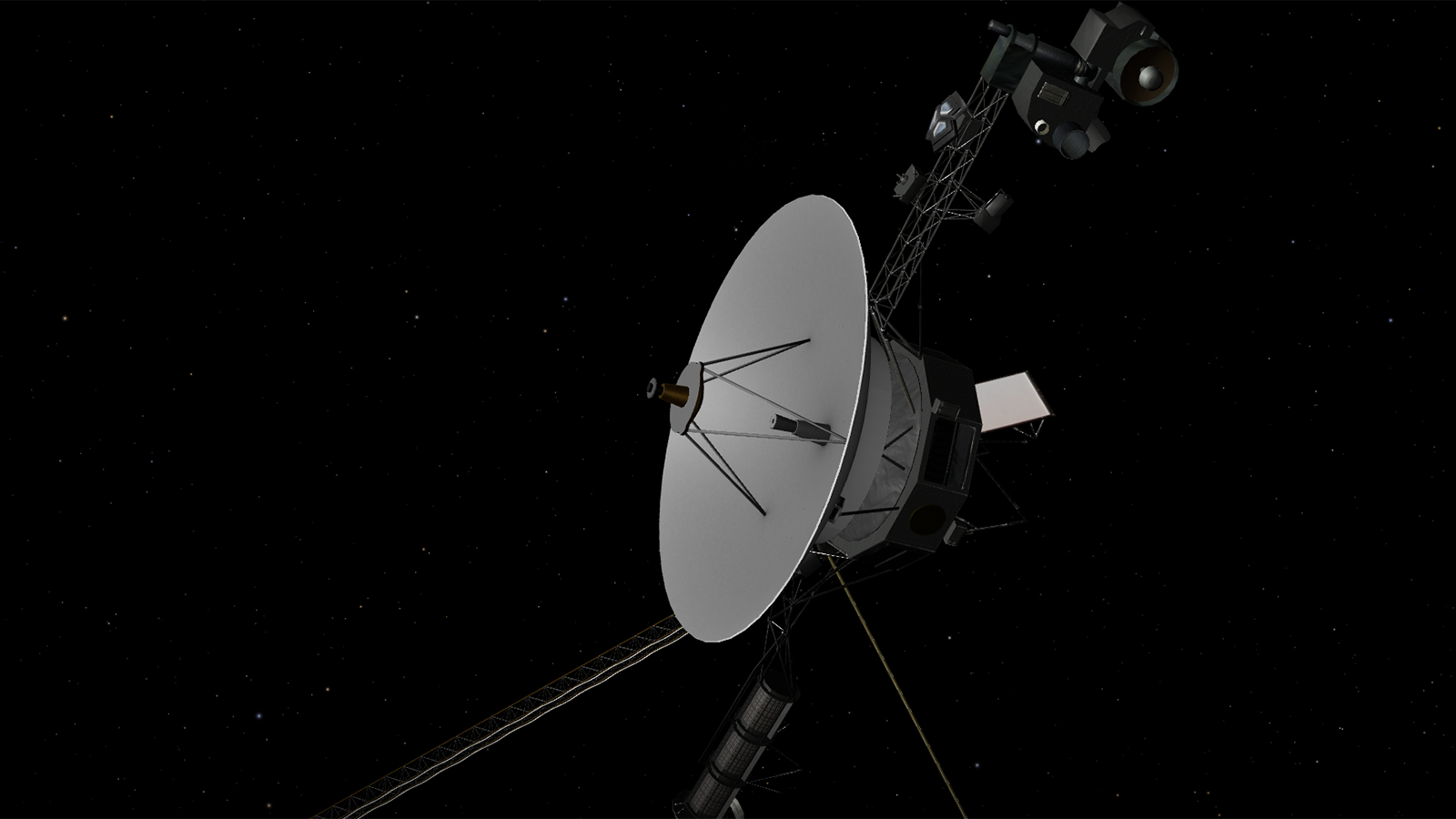
Nearly 50 years after launch, the Voyagers are struggling with a dwindling power supply from their aging Radioisotope Thermoelectric Generators (RTGs). To keep them flying, NASA engineers have been executing a "power management" strategy, systematically turning off non-essential heaters and instruments. A recent engineering maneuver, nicknamed the "Big Bang," is being tested in mid-2026 to optimize power usage, potentially extending the mission by at least another year.
ENGINEERING / POWER MANAGEMENT
THE "BIG BANG" STRATEGY
By mid-2026, the mission team has entered a phase of radical engineering. To keep the probes alive, they are implementing a complex energy-saving fix dubbed "the Big Bang." Rather than simply turning off single instruments, this strategy involves swapping multiple powered devices at once, replacing high-drain systems with lower-power alternatives while carefully managing thermal margins to prevent crucial components—like hydrazine fuel lines—from freezing.

MISSION MILESTONE / NOVEMBER 2026
THE ONE LIGHT-DAY FRONTIER
On November 18, 2026, Voyager 1 will officially cross the distance of one light-day from Earth. This is a profound moment in human history: it means a signal sent from Earth will take a full 24 hours to reach the probe, and another 24 hours for its response to return. We are effectively operating in a 48-hour communication loop with a craft built nearly half a century ago.
LEGACY / INTERSTELLAR AMBASSADORS
THE SILENT AMBASSADORS
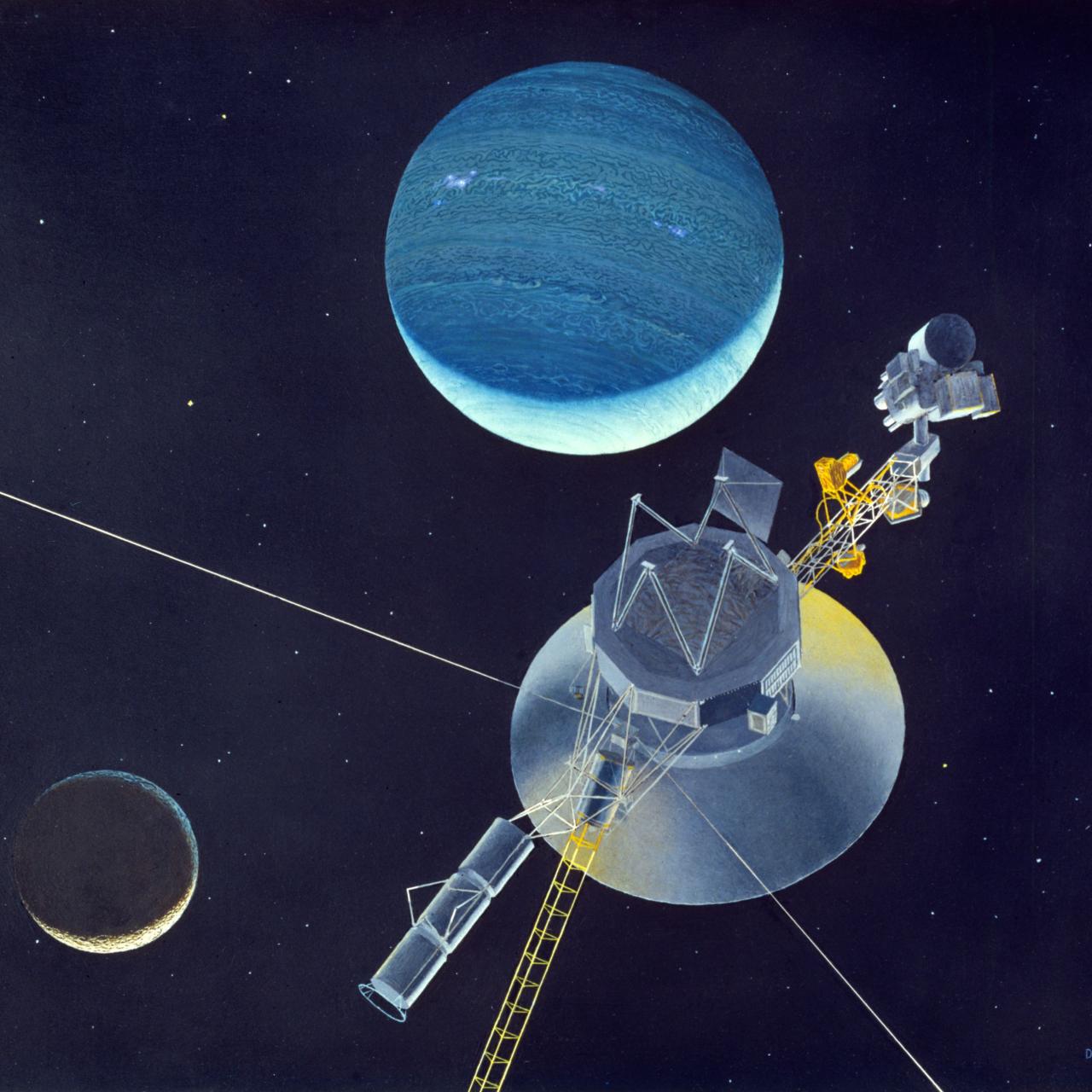
By the early 2030s, the Voyagers will likely fall silent as their power output drops below the threshold needed for their final active instruments. They will then transition from active research craft to "silent ambassadors." Carrying the Golden Record, they will continue to travel through the Milky Way for millions of years, far outlasting the civilization that built them.

MISSION LEGACY / END OF OPERATIONS
THE LONG SILENCE
The Voyagers are in their final act. NASA’s engineering teams have transitioned into a "survival-first" mode. As their Radioisotope Thermoelectric Generators (RTGs) continue to decay, the team prioritizes maintaining communication and thermal stability over scientific throughput. The goal is to keep at least one science instrument operational on each probe into the early 2030s, at which point the final, permanent silence is expected.
Recommended Tools
View AllLoading recommended tools...
- Missions -

Artemis II
James Webb Telescope
Mars Perseverance
Voyager Missions

Parker Solar Probe

Cassini-Huygens

Europa Clipper
New Horizons

Hubble Telescope

Chandrayaan-3
Sources
COMPUTER SYSTEM (CCS)
The Computer Command System handles executive control and sequencing. It manages the two redundant processors that keep the spacecraft operational in deep space.
HISTORIC CODEFLIGHT DATA (FDS)
Responsible for collecting instrument data and formatting it for telemetry. Recent software patches have been sent to bypass failing memory sectors after 47 years.
TELEMETRY DATAAACS LOGIC
The Articulation and Attitude Control System keeps the high-gain antenna pointed at Earth. It uses celestial sensors to maintain a 3-axis stabilized orientation.
SYSTEM SPECS