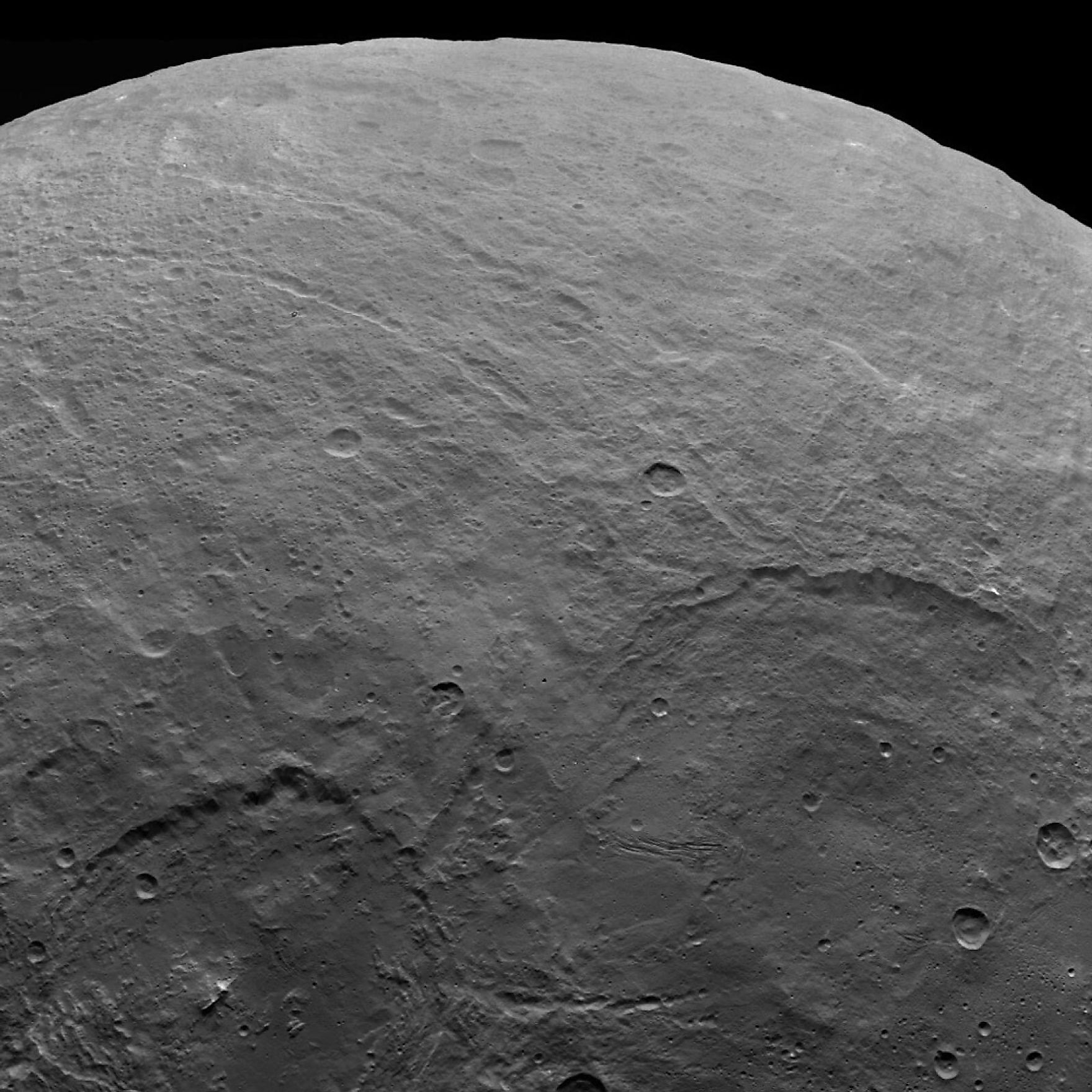
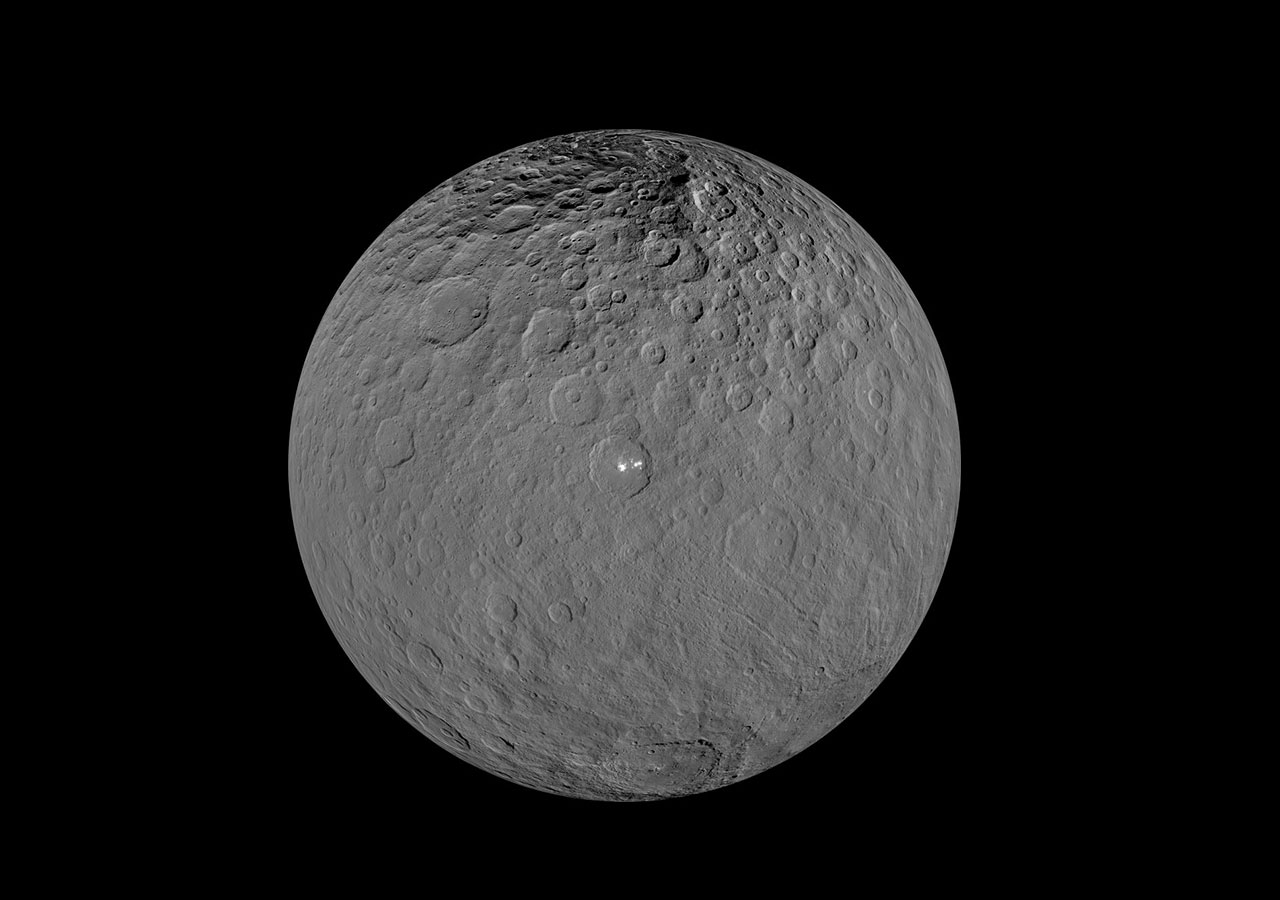
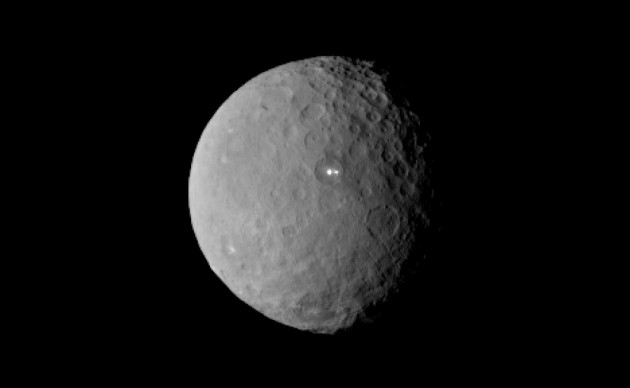
The story of Ceres is far from over. Future missions are proposed to investigate the ocean world's habitability, perform sample returns to analyze subsurface chemistry, and deploy landers to the mysterious bright spots. By unlocking the secrets trapped within Ceres' icy crust, we edge closer to understanding the origins of life and the water distribution in our solar system.
ASTROPHYSICS / FUTURE EXPLORATION
The scientific community is currently evaluating several concepts for the next stage of Ceres exploration. Because *Dawn* revealed that Ceres is a "relict ocean world" with internal brines and organic compounds, the focus has shifted from simple orbital mapping to direct surface analysis [1.2.3, 1.3.1].
ASTROPHYSICS / ENGINEERING CHALLENGES
Landing on Ceres is more akin to a planetary mission than an asteroid mission due to its size and gravity [1.1.1]. However, its low gravity and lack of atmosphere require specialized precision landing systems to avoid hazardous surface features [1.2.2].
ASTROBIOLOGY / INSTRUMENTATION
A future Ceres lander would need a suite of sophisticated sensors to analyze the subsurface brine and minerals in situ. The goal is to detect biosignatures—chemical indicators that life processes have occurred in the past or are active now.
ASTROPHYSICS / ORBITAL DYNAMICS
Ceres has a complex gravitational field due to its interior structure. For a lander or a close-proximity orbiter, maintaining a stable position requires advanced autonomous navigation and sophisticated "station-keeping" thrusters to counteract those local gravity variations.
ASTROPHYSICS / COMPUTATIONAL INTELLIGENCE
Future missions to Ceres will rely on onboard AI for real-time decision-making. With light-speed delays, the lander must autonomously identify safe touchdown zones, manage power consumption, and prioritize scientific data transmission without human intervention.
COMPUTER SCIENCE / LOGICAL FOUNDATION
Every decision a spacecraft makes—from adjusting a thruster to prioritizing a scientific data packet—is ultimately resolved by millions of tiny, physical switches called logic gates. These gates transform raw binary into the complex decisions required for survival in the deep-space environment of Ceres.
Exploring possibilities for the future of asteroid belt exploration
Its abundance of water ice makes it a critical potential "gas station" for missions heading further into the solar system.
While hostile, its resource availability (water and minerals) makes it a top candidate for a deep-space research hub.
The extreme distance from Earth and the lack of a protective atmosphere for landing operations.
Yes, its central location in the asteroid belt could serve as a staging point for logistics and refueling.
Advanced solar-electric or nuclear-thermal propulsion systems are essential for heavy cargo transport.
Yes, various space agencies and private firms have proposed lander concepts to directly sample the subsurface.
It would be split into hydrogen and oxygen to create rocket propellant and life-support oxygen.
Only in pressurized, climate-controlled greenhouses using hydroponics and artificial lighting.
Current technology makes it purely scientific, but it may eventually become a destination for advanced research or extreme travel.
Confirming if a liquid ocean currently exists would make Ceres one of the most exciting astrobiological sites in the solar system.