

Key insights into the largest object in the asteroid belt
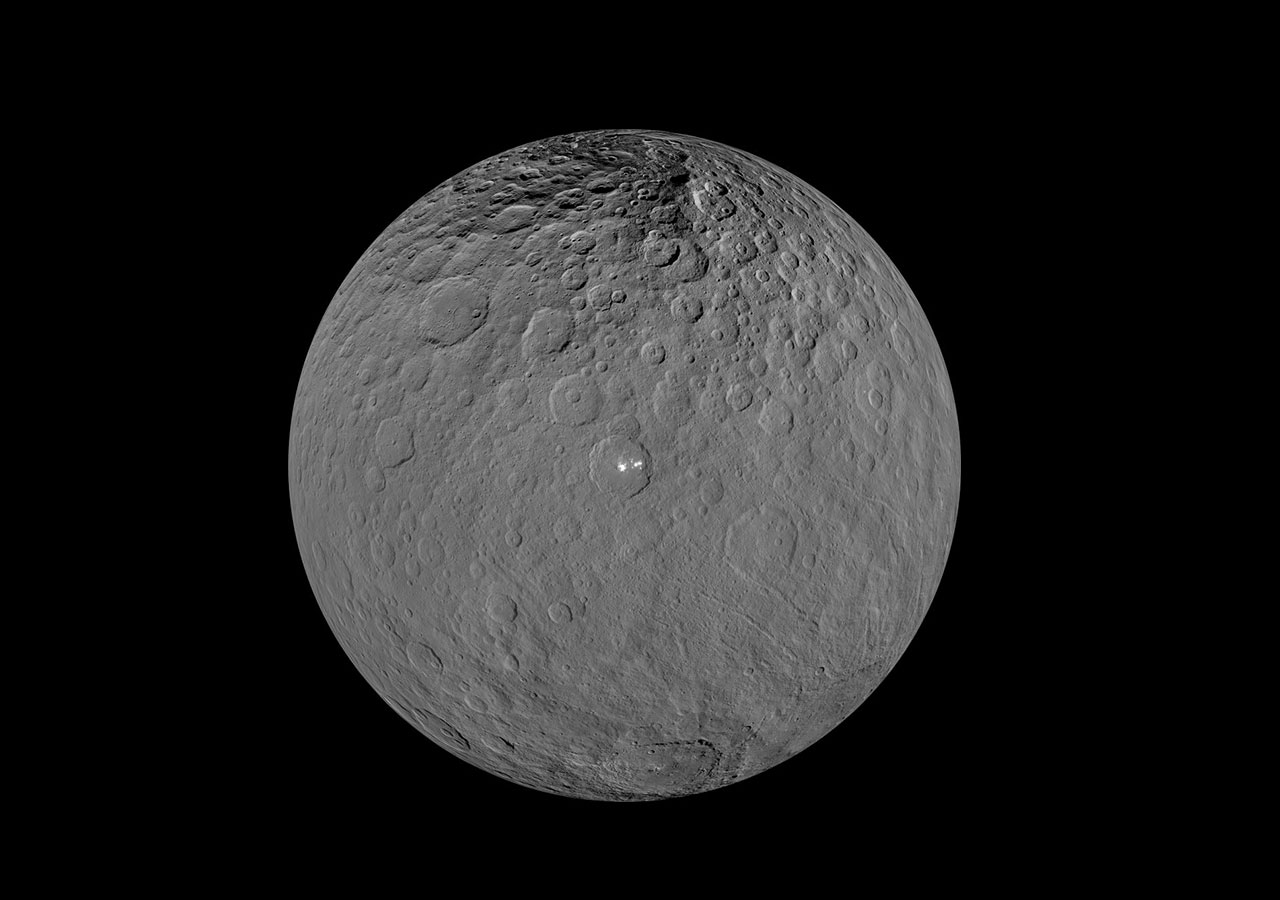
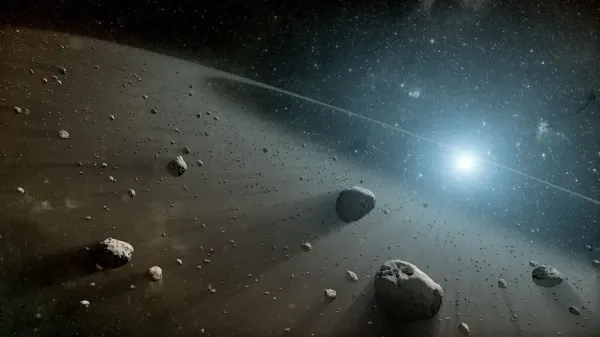
Ceres is classified as a dwarf planet. While it resides in the main asteroid belt and was historically called an asteroid, its large size and spherical shape led to its reclassification in 2006.
Yes, Ceres is remarkably "wet." Data from the Dawn mission indicates a surface rich in water-bearing minerals, and scientists believe a large amount of water ice is locked in its interior.
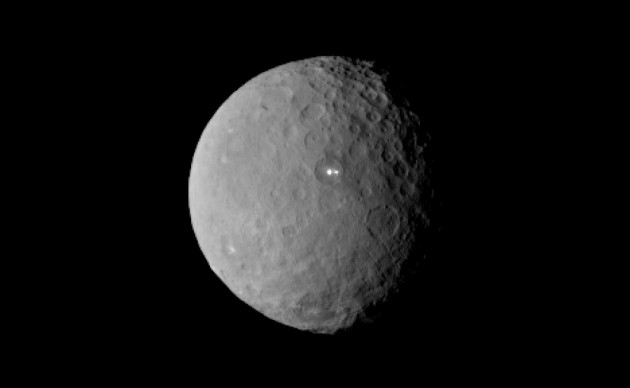
The famous bright spots on Ceres, particularly in the Occator crater, are highly reflective deposits of salts and minerals left behind by briny water rising from the subsurface.
Evidence suggests Ceres is the closest cryovolcanically active body to the Sun. Subsurface brine has reached the surface in the past, creating unique geological structures like Ahuna Mons.
Currently, Ceres is inhospitable due to extreme cold, lack of atmosphere, and intense radiation. However, its water content makes it a subject of interest for potential future space exploration.