Select Your Space Mission







FOUNDATIONS / ASTRONOMY
WHAT IS A PLANET?
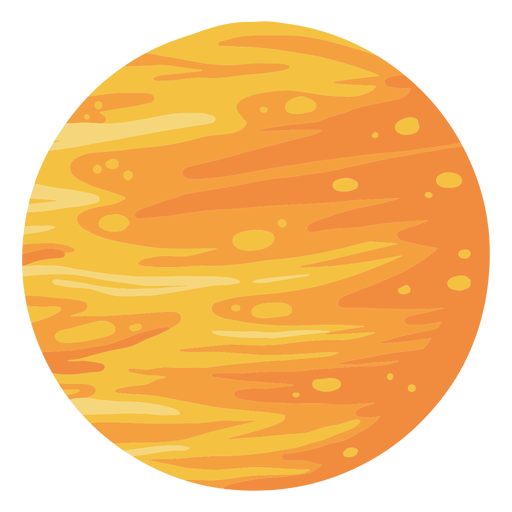
A planet is defined by three core criteria: it orbits a star, it possesses enough mass for its gravity to pull it into a nearly round shape (hydrostatic equilibrium), and it is gravitationally dominant enough to clear its orbital path of smaller objects. Beyond this scientific definition, for your project, a planet is a self-contained ecosystem and energy system. Whether terrestrial (rocky) or gas giants, planets are the primary stages upon which the drama of life and the evolution of intelligence unfold.
FOUNDATIONS / EXPLORATION
PLANETARY DESTINATIONS
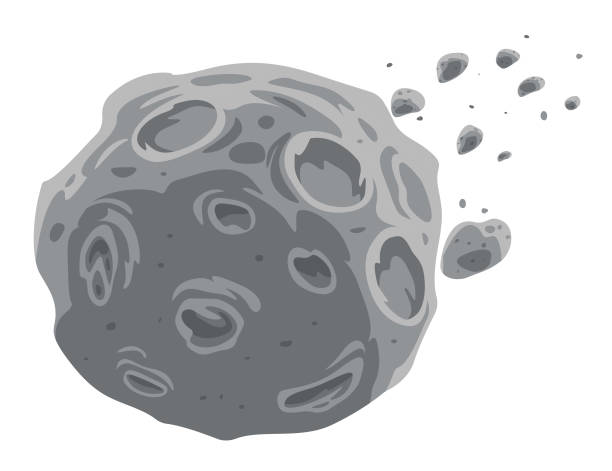
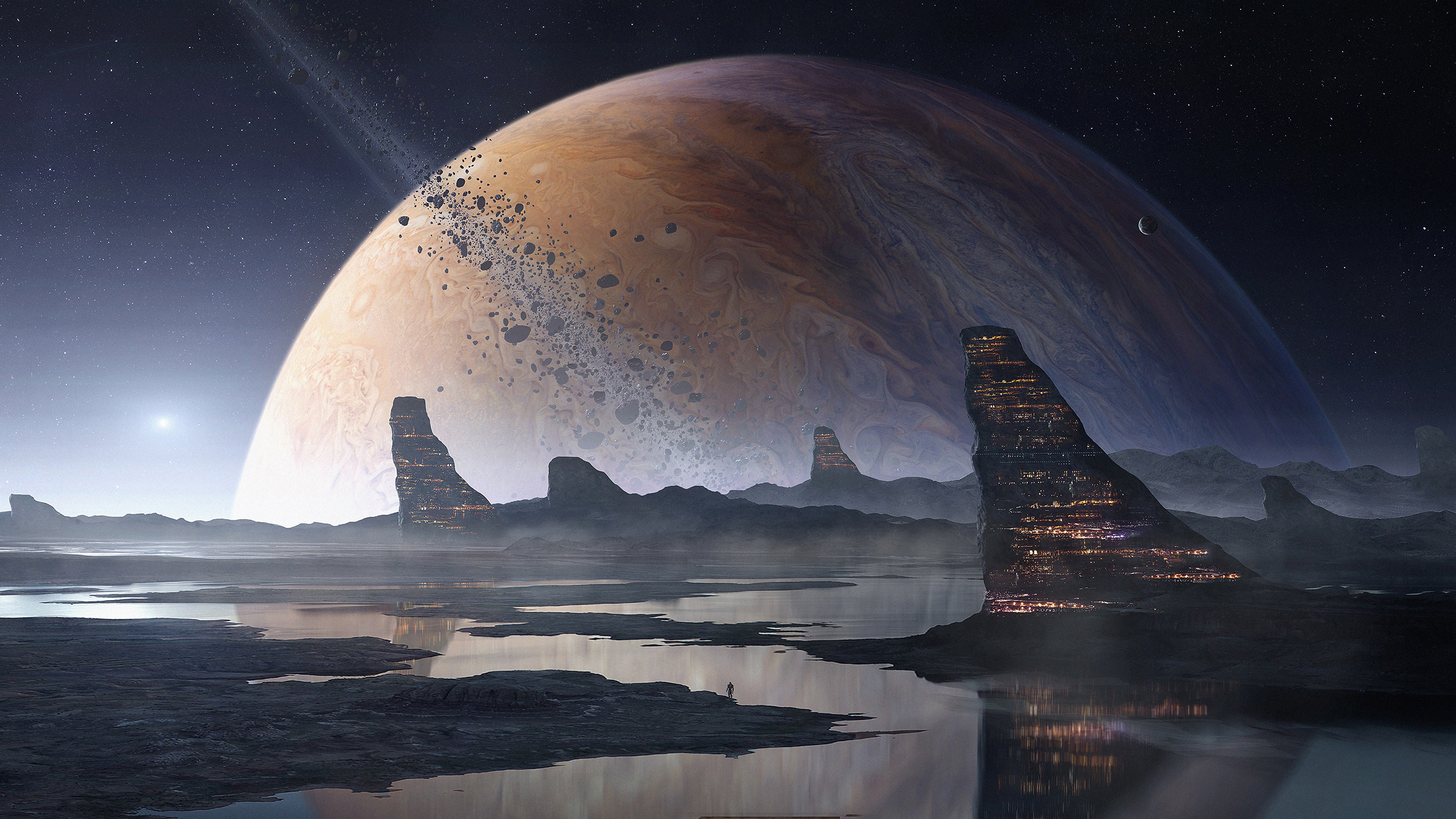
Planetary destinations are selected based on their "accessibility" and "utility." In the New Horizons framework, we prioritize bodies that can sustain infrastructure or provide raw materials. From the resource-rich regolith of the Moon to the atmospheric and water-ice potential of Mars, these targets represent the next logical steps for expansion. We also evaluate the moons of gas giants for potential prebiotic chemistry and energy-rich environments, viewing them as secondary hubs for long-term deep-space operations.

FOUNDATIONS / STRATEGY
WHY STUDY PLANETS?
Studying planets is critical because it provides the data necessary for off-world expansion and enhances our understanding of Earth's own systems. By analyzing atmospheric composition, gravitational fields, and surface geology, we gain the predictive modeling required to mitigate risks and identify opportunities for resource harvesting. In New Horizons, the study of planets is the primary driver for advancements in propulsion, life support, and sustainable energy—turning distant celestial bodies into viable future hubs for humanity.
Join Our Newsletter
Stay updated with the latest astronomical discoveries, space mission updates, and community events from HORIZONS. It is an honor to have you join our journey through the stars.