Pluto
Welcome To Pluto







FOUNDATIONS / CELESTIAL BODIES
PLUTO: FRONTIER THRESHOLD
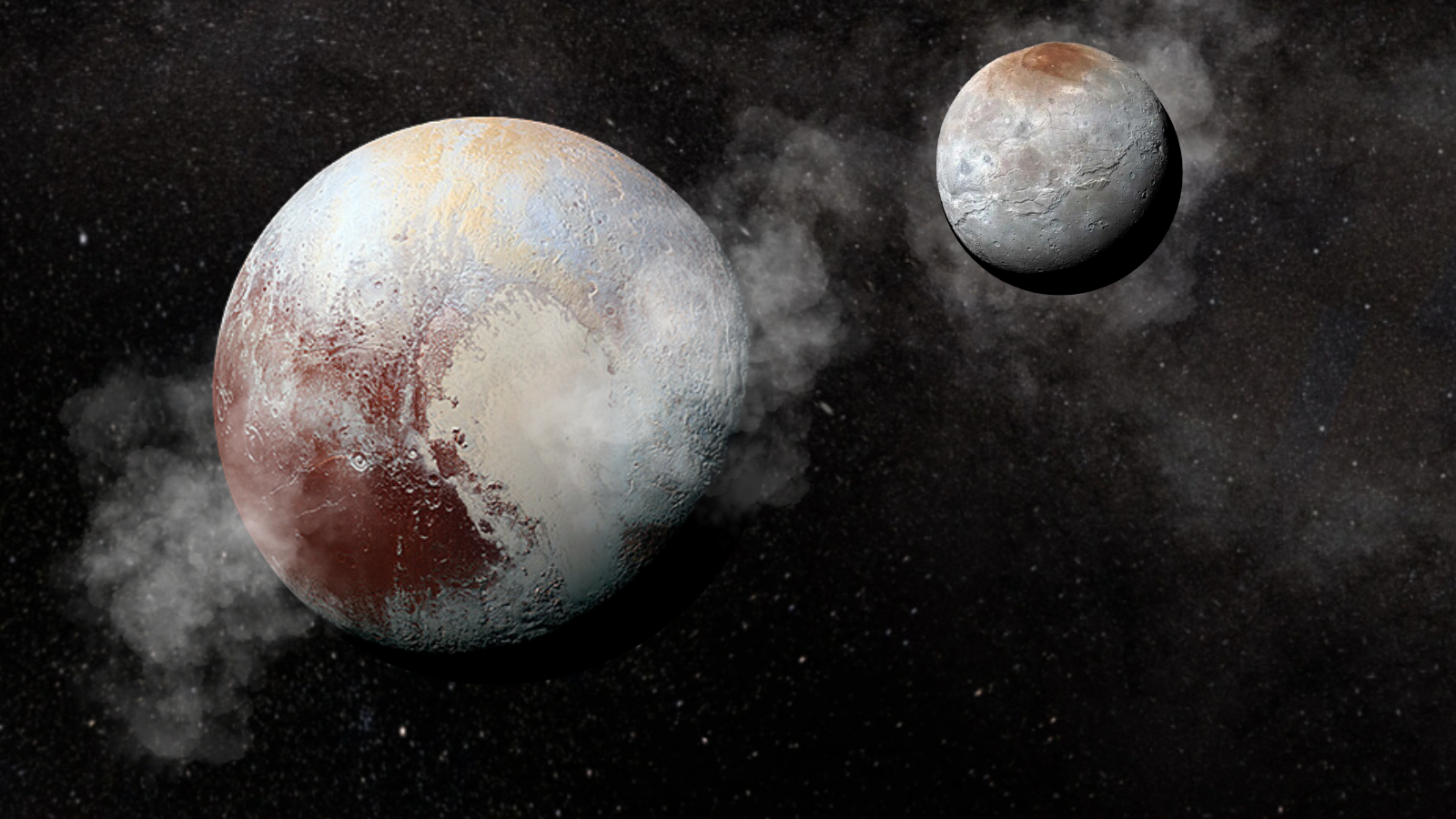
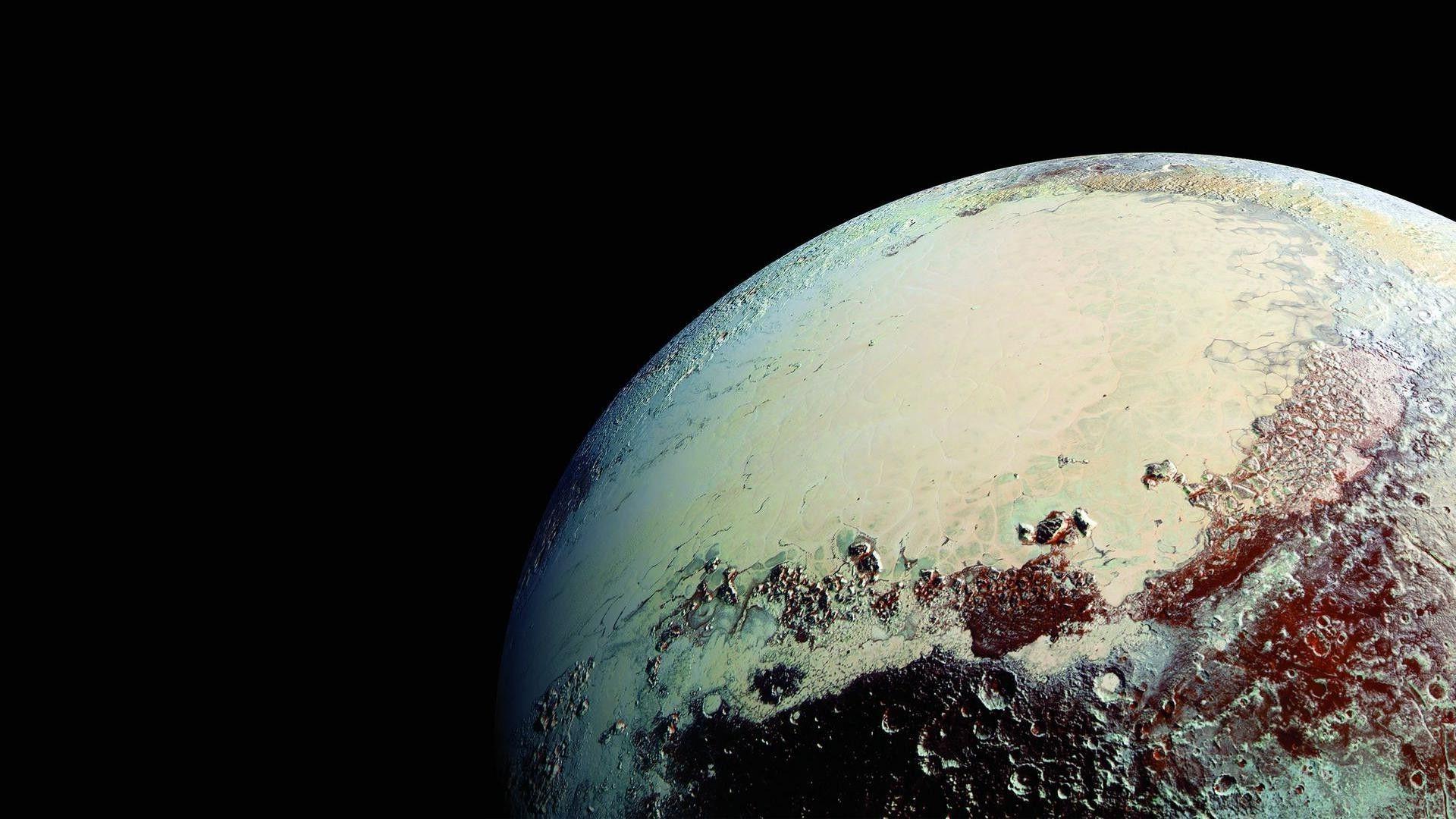
Pluto is a dwarf planet located in the Kuiper Belt, a massive ring of icy bodies beyond Neptune. It is a world of extreme cold, with a surface composed of nitrogen ice and mountains of water ice. For New Horizons, Pluto is the anchor point for Kuiper Belt research. Its complex geology, active atmosphere, and large moon, Charon, provide a unique laboratory for studying how small, distant bodies retain heat and activity billions of years after the solar system's formation.
FOUNDATIONS / STRATEGY
WHY STUDY PLUTO?
We study Pluto because it is the most accessible laboratory for understanding Kuiper Belt Objects (KBOs). Its surprising geological activity—like the nitrogen ice glaciers on its surface—challenges our previous assumptions that small, distant bodies should be geologically dead. By studying Pluto, we gain insights into the building blocks of the early solar system and the distribution of volatile materials like water, methane, and nitrogen in the outer reaches. This research is foundational for mapping the evolutionary history of our cosmic neighborhood.
DWARF PLANET
Reclassified in 2006, Pluto is the most famous dwarf planet in the Kuiper Belt region.
OVERVIEWORBITAL PATH
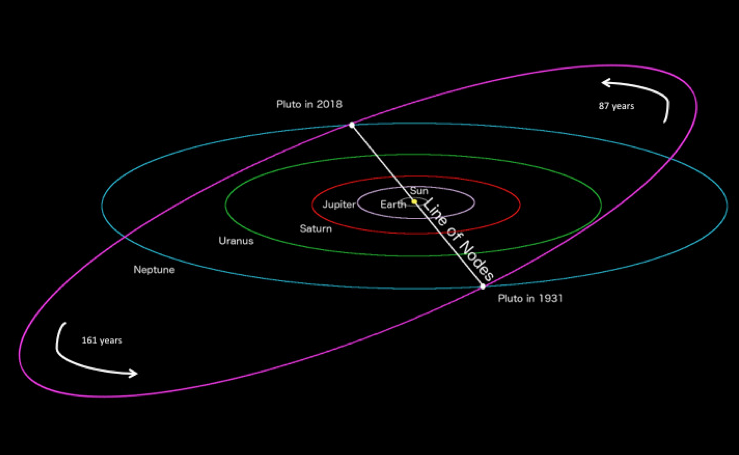
Has a highly elliptical and tilted orbit, occasionally crossing inside the orbit of Neptune.
ORBITALCHARON
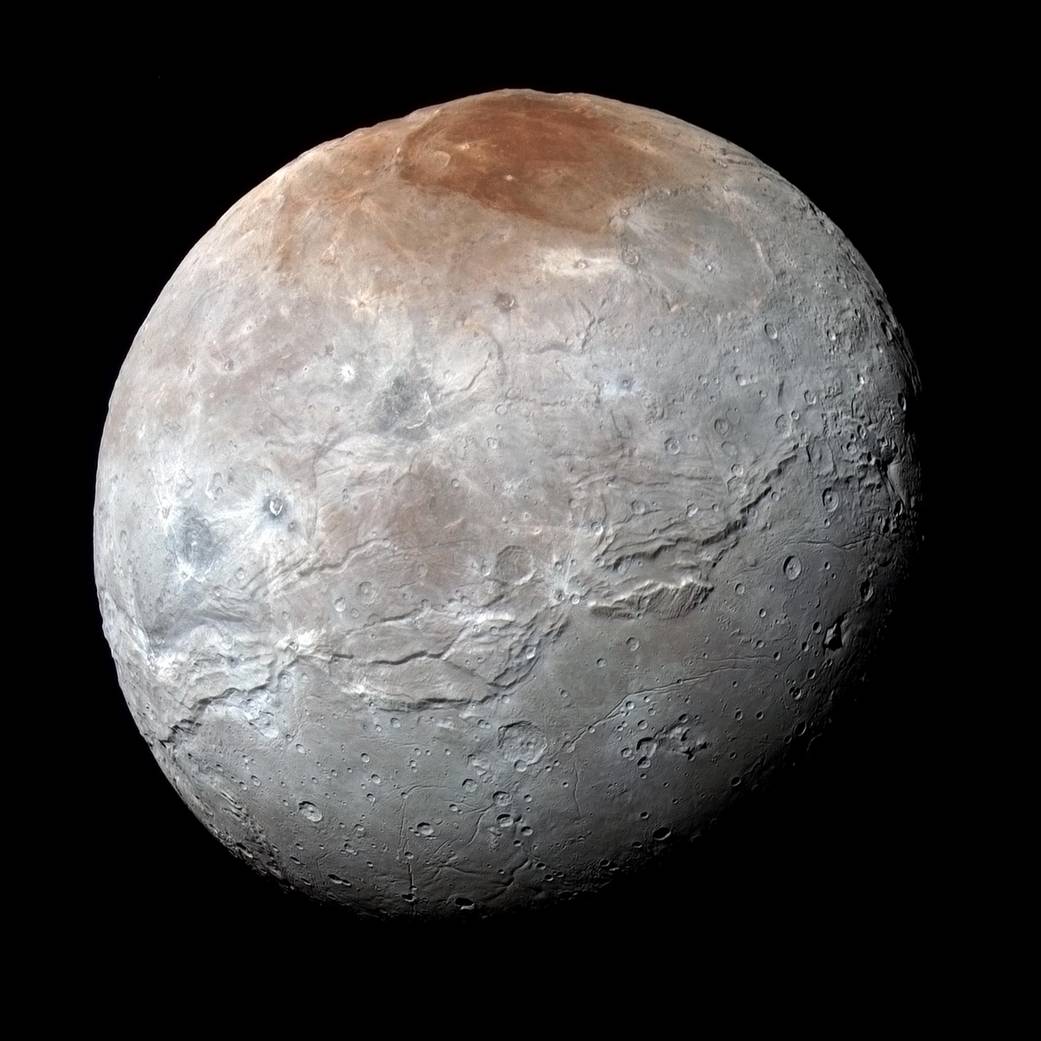
Pluto's largest moon, Charon, is so large compared to Pluto that they orbit each other like a binary system.
MOON DATAHEART REGION
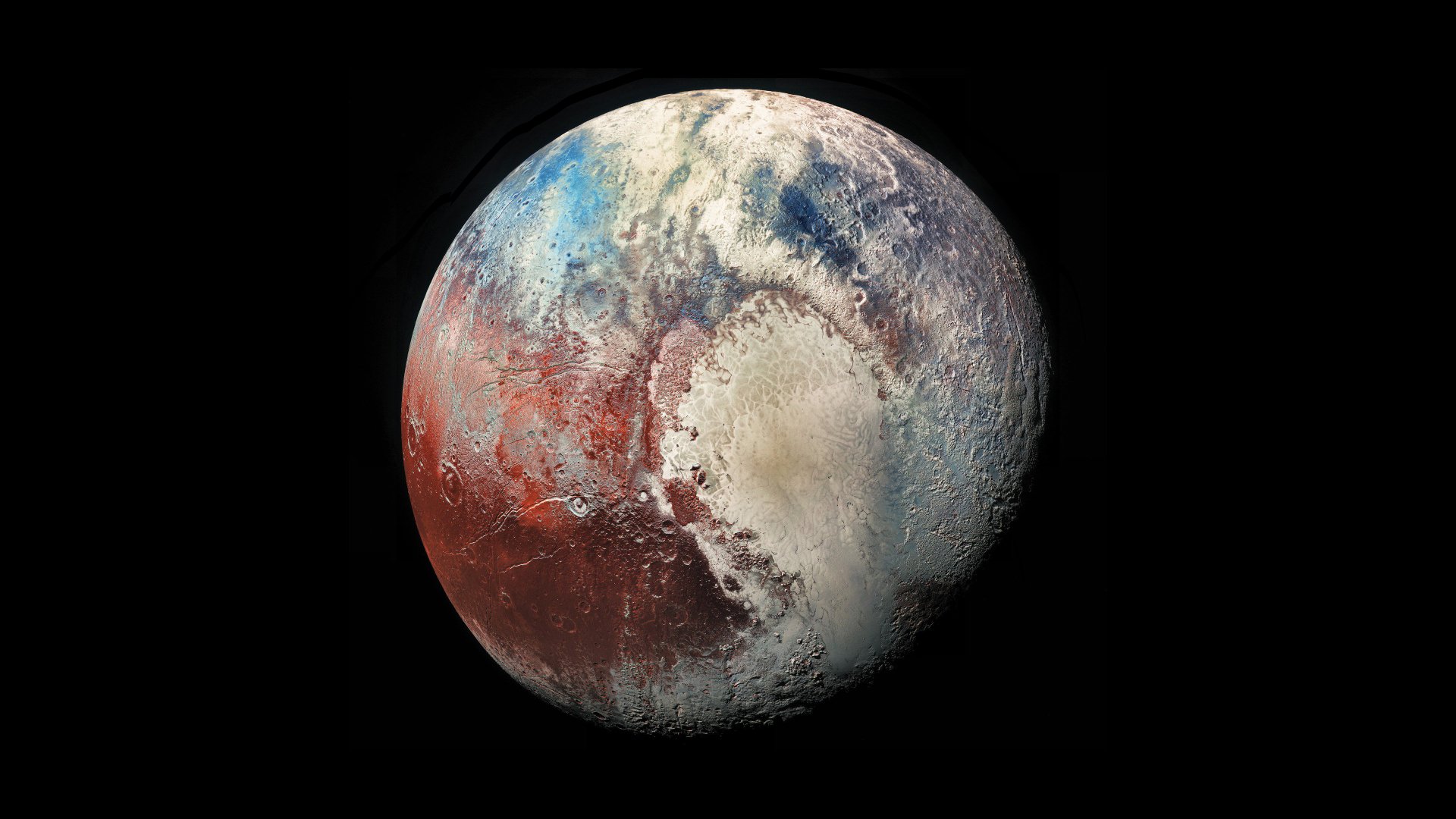
Features the famous "Tombaugh Regio," a massive heart-shaped glacier made of nitrogen ice.
SURFACEATMOSPHERE
Pluto has a thin, tenuous atmosphere composed mainly of nitrogen, methane, and carbon monoxide.
ATMOSPHERICNEW HORIZONS
The New Horizons mission conducted a historic flyby in 2015, providing the first close-up images.
MISSIONJoin Our Newsletter
Stay updated with the latest astronomical discoveries, space mission updates, and community events from HORIZONS. It is an honor to have you join our journey through the stars.