
Pluto Sun
SOLAR LUX PROFILES
DEEP SPACE ILLUMINATION METRICS
The Pinpoint Star
Seen from Pluto, the Sun averages roughly 40 times farther away than it is from Earth. It shrinks down to an incredibly bright pinpoint in the sky—only about 1/40th the visual size of the Sun we see, though it still shines with intense, blinding clarity.
Even at this massive distance, the Sun casts a glare hundreds of times more brilliant than Earth's full moon night sky.
Solar energy density drops off heavily via the inverse-square law, capping surface ambient temperatures at absolute chill levels.
Solar Sync
Lumen Mapping. New Horizons monitors the Photon Buffer to track the pinpoint solar interface of 134340.
- 🔍 Scale: 30x Smaller than Earth Sync.
- 🕯️ Lumen: 250x Brighter than Full Moon Buffer.
- 🛰️ Distance: 5.9 Billion km Photon Protocol.
Visual Sync
Optic Mapping. Angular constant. New Horizons monitors the Resolution Buffer to track the pinpoint solar interface of 134340.
- 🔍 Size: 0.8 Arcminute Point-Source Sync.
- 🌑 Comparison: 40x Smaller than Earth Buffer.
- ✨ Visual: Brilliant Star Protocol.
Lumen Sync
Horizons Mapping. Analyzing the 1/d2 intensity constant. New Horizons monitors the Photon Buffer to track the twilight interface of 134340.
- 📉 Intensity: 1,600x Fainter than Earth Sync.
- 📖 Readability: Civil Twilight Literacy Buffer.
- 👁️ Vision: High-Contrast Pupil Protocol.
Pluto Time
Twilight Mapping. New Horizons monitors the Photon Buffer to track the high-noon interface of 134340.
- 🕛 Peak: 100-250 Lux High-Noon Sync.
- 🌇 Match: Civil Twilight Earth Protocol.
- 📖 Vision: Reading-Light Intensity Buffer.
ASTROPHYSICS / RADIATIVE ENVIRONMENT
THE DISTANT STAR
Because of the inverse-square law, sunlight on Pluto is roughly 1/1,600th the intensity of sunlight on Earth. While it is far from total darkness—midday on Pluto is roughly equivalent to twilight or a very cloudy day on Earth—the radiative heat flux is negligible. This lack of solar heating is precisely why Pluto’s surface is frozen solid and why its atmosphere is so volatile, collapsing completely when the planet moves toward its aphelion.
- Horizon -

Pluto
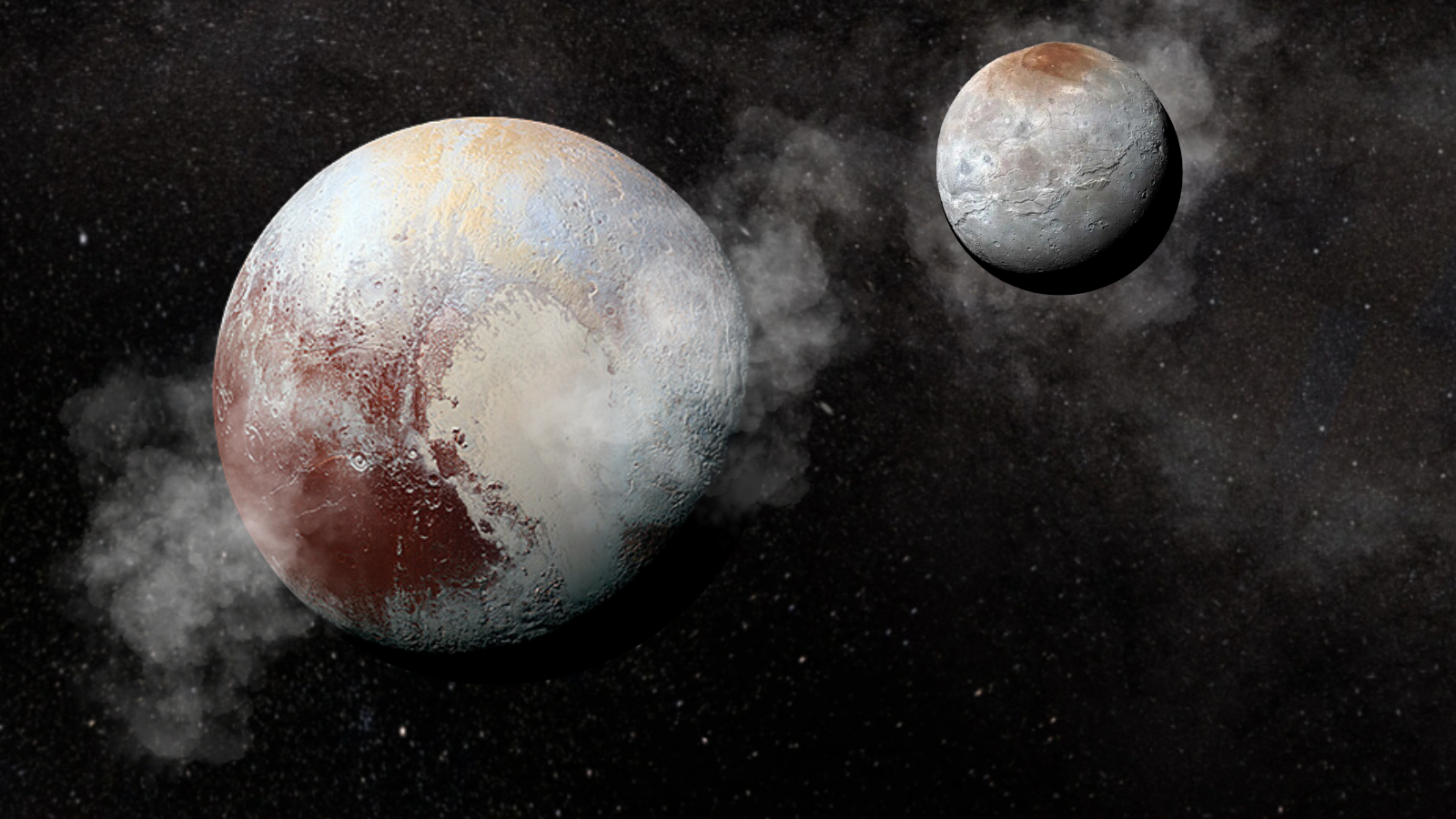
Pluto vs Moon Size
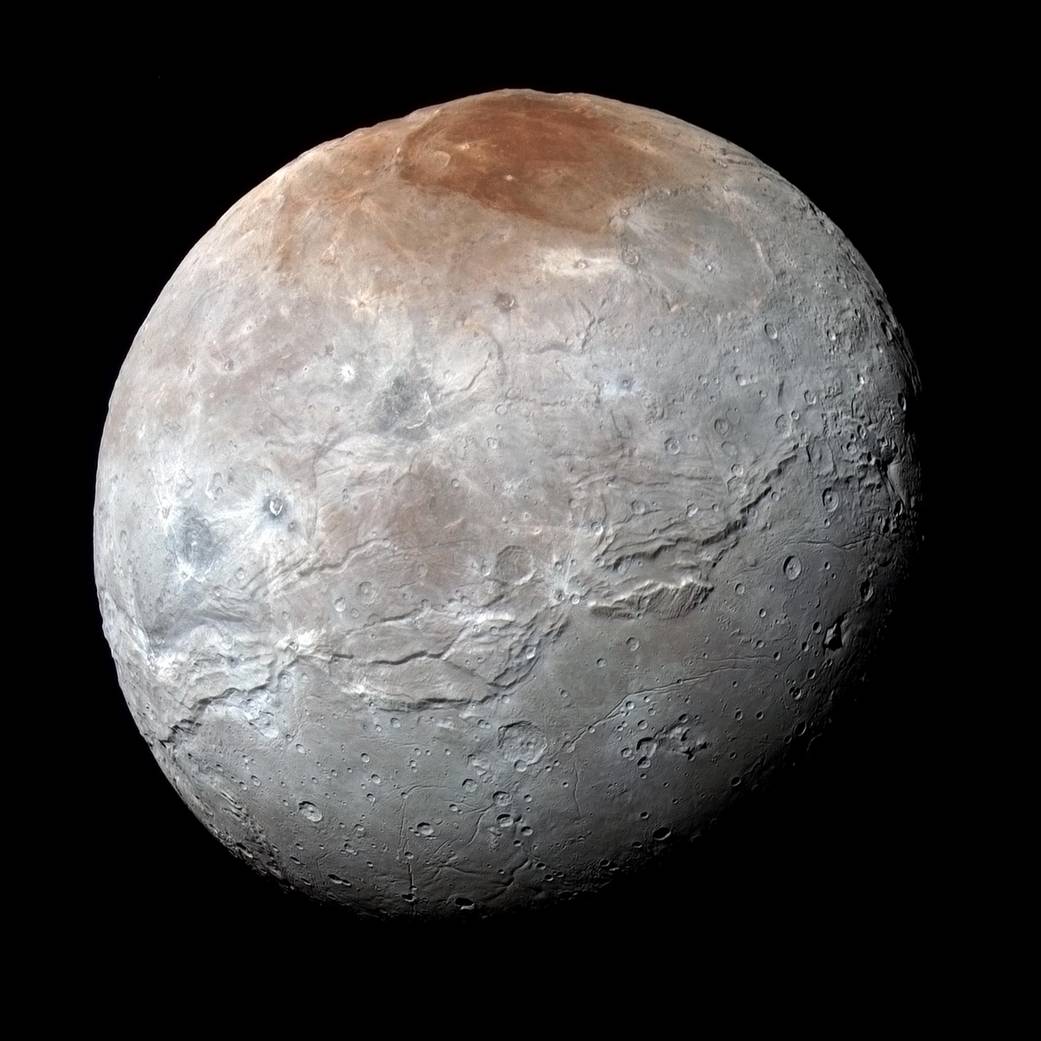
Charon Tidal Lock

Nitrogen Ice Flow

Atmospheric Freeze
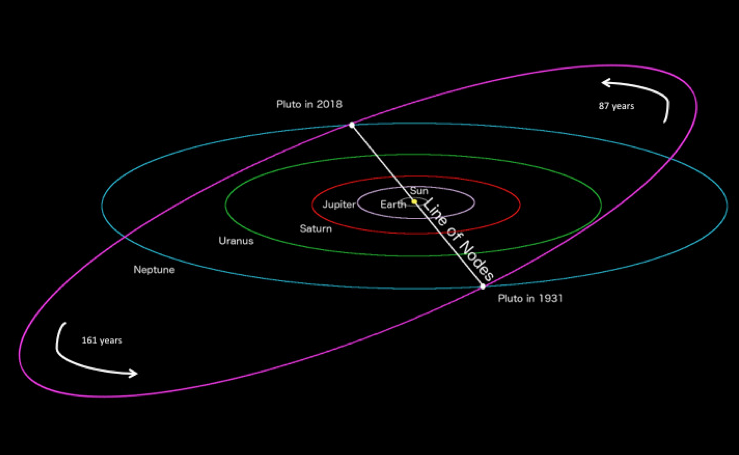
Orbital Overlap (Neptune)

Weight on Pluto
Sun Brightness (Pluto Time)

Pluto Year Converter

Binary System Calc

Life on Pluto?

Signal Delay (Comms)

3D Pluto
Sources
APPARENT DIAMETER
From Earth, the Sun spans **0.5°** of the sky. From Pluto, it is only **0.01°** (about 1 arcminute). It appears roughly **50 times smaller** than it does on Earth.
VISUAL DATASOLAR LUMINOSITY
The Sun is about **1,600 times dimmer** on Pluto than on Earth. However, it is still **250 times brighter** than a full moon, allowing you to read a book comfortably.
PLUTO TIMENOONTIME TWILIGHT
NASA calls the level of light at high noon on Pluto "**Pluto Time**." It matches the level of light on Earth just after the Sun has set during evening twilight.
IRRADIANCE STATS