Charon Tidal Lock
MUTUAL TIDAL LOCK
PLUTO-CHARON BINARY MECHANICS
Mutual Face Lock
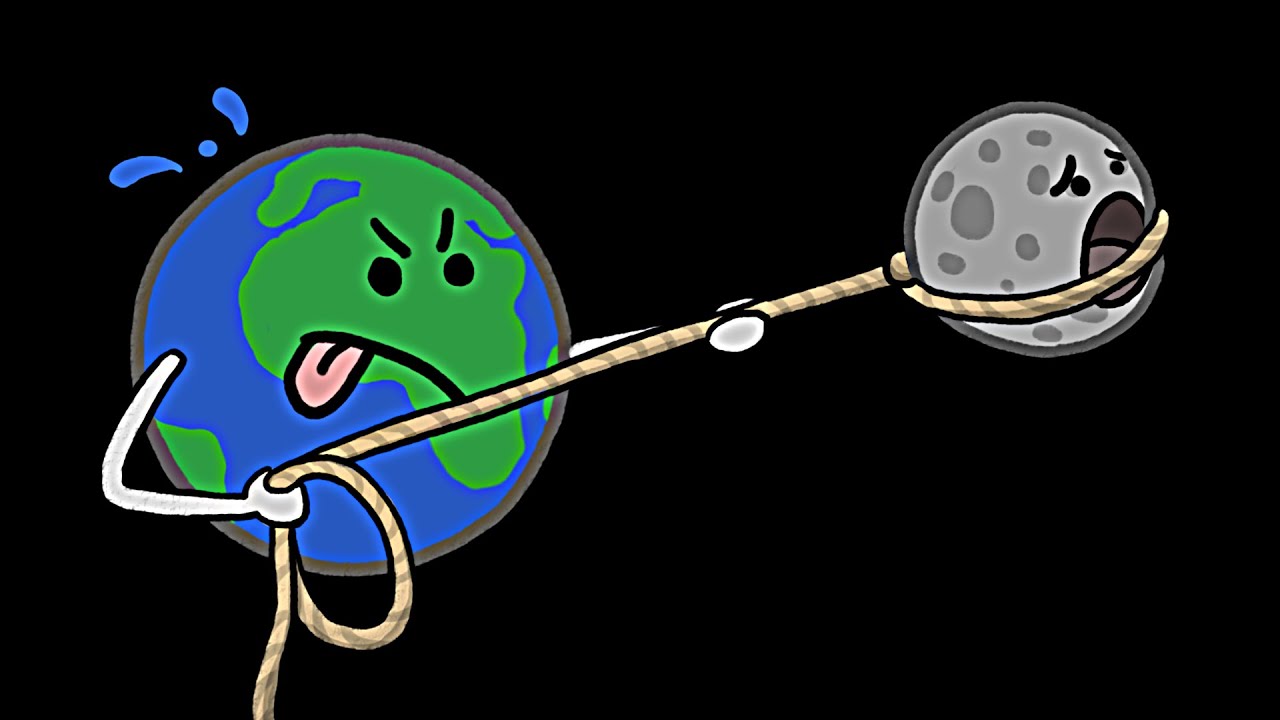
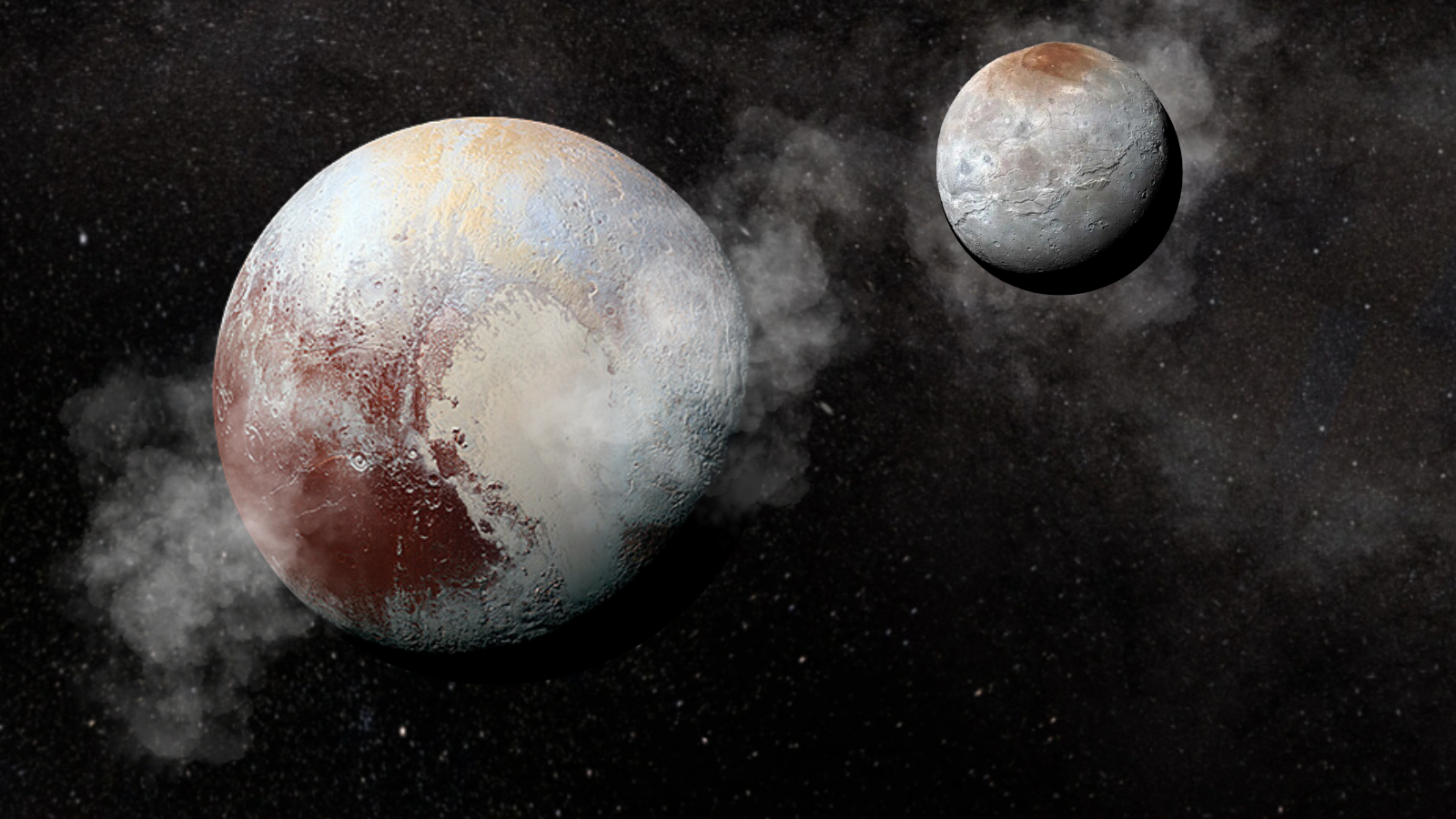
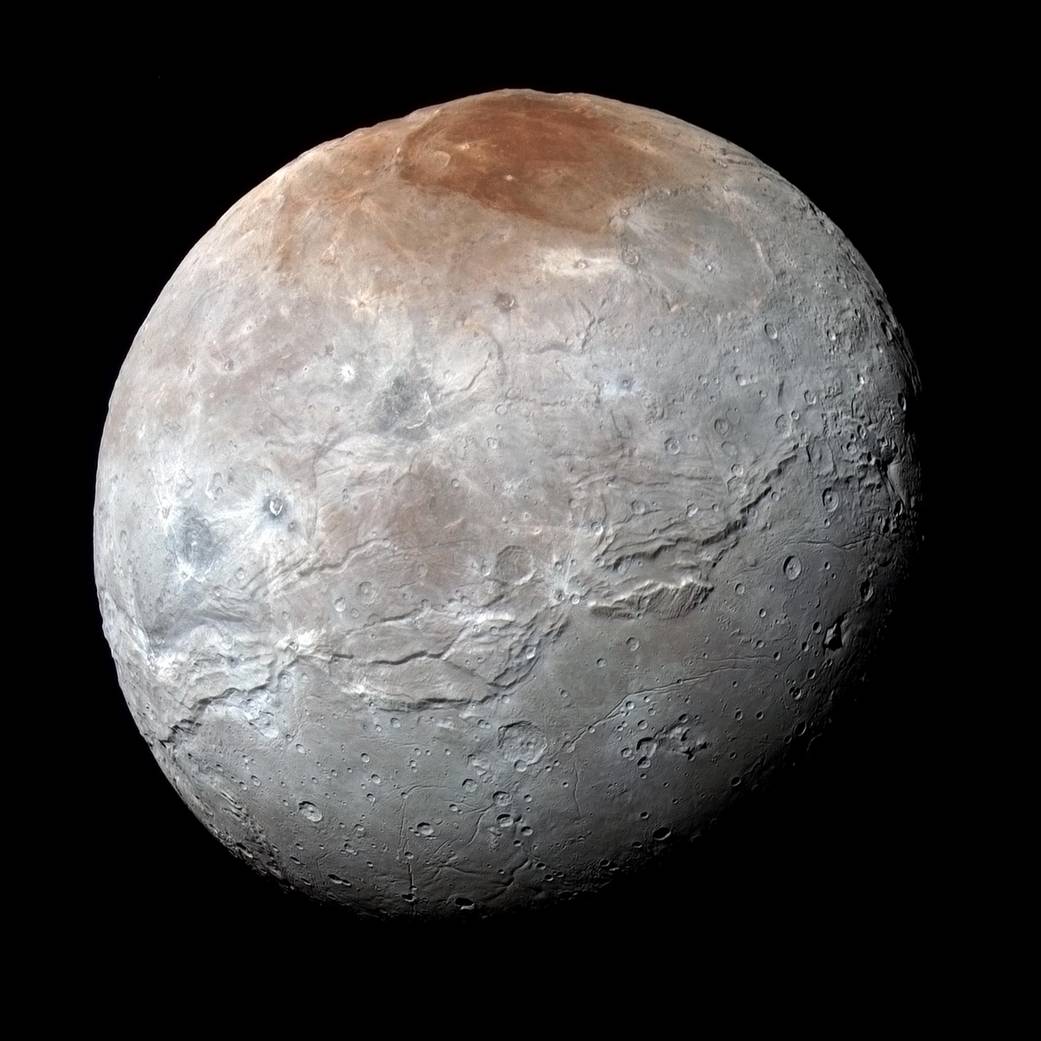
Unlike Earth and our Moon, where only the Moon is tidally locked, Pluto and Charon share a rare mutual tidal lock. They are permanently locked face-to-face, constantly pointing the exact same side toward each other as they circle their shared barycenter.
The precise duration it takes for both worlds to finish a full planetary rotation and clear a lap around each other.
Tidal friction has completely matched their spins, forming a highly rigid rotational equilibrium.
Lock Sync
Harmonic Mapping. Analyzing the Tidal lock constant. New Horizons monitors the Rotational Buffer to track the 1:1 gravitational face-lock between Pluto and Charon.
- 🔒 Mutual: Dual-Body Synchronous Protocol.
- 🔄 Period: 6.387 Day Rotational Sync.
- 🛰️ Static: Fixed-Position Sky Buffer.
Phase Sync
Mutual Mapping. New Horizons monitors the Double Lock Buffer to track the 1:1 rigid-frame interface of the 134340 binary system.
- 🔒 Double: Primary and Secondary Mutual Lock.
- 🔄 Static: Zero-Drift Sky Position Sync.
- ⚖️ Balance: Total Dissipation of Tidal Friction.
Period Sync
Duration Mapping. Analyzing the 6.387-day constant. New Horizons monitors the Rotational Buffer to track the zero-drift velocity of the Pluto-Charon interface.
- ⏱️ Sync: 153.3-Hour Rotational Protocol.
- 🔄 Velocity: 48.6 km/h Equatorial Buffer.
- ⚖️ Stasis: Perfectly Matched Orbital Harmony.
Stasis Sync
Zenith Mapping. New Horizons monitors the Sky Buffer to track the stationary coordinate of Charon in the 134340 atmosphere.
- 📍 Fixed: Zero-Drift Angular Protocol.
- 🌗 Visibility: 50% Hemispheric Occultation Buffer.
- 🛰️ Scale: 7x Apparent Lunar Diameter Sync.
CELESTIAL MECHANICS / TIDAL PHYSICS
THE MUTUAL LOCK
Tidal locking occurs when the gravitational gradient of a larger body creates a "bulge" on a smaller one, eventually slowing its rotation until its orbital period matches its rotational period. In this binary system, the exchange was a two-way street. Pluto slowed Charon’s rotation, but Charon’s gravity was strong enough to simultaneously slow Pluto’s rotation as well. Now, if you stood on the surface of Pluto, Charon would remain stationary in your sky—never rising or setting—while the star-field slowly rotates behind it.

THERMAL DYNAMICS / CLIMATE IMPACT
THERMAL ASYMMETRY
The mutual lock means that one hemisphere of Pluto *always* faces Charon, and vice versa. This effectively divides Pluto into two distinct climate zones: the "Charon-facing" side and the "anti-Charon" side. Because the orbital period and rotation period are identical, any point on the surface has a static relationship with its moon. This prevents the kind of global heat distribution we see on Earth. Instead, we see localized thermal "shadows" where the moon’s presence—or lack thereof—influences the sublimation rates of nitrogen ice.
- Horizon -

Pluto
Pluto vs Moon Size
Charon Tidal Lock

Nitrogen Ice Flow

Atmospheric Freeze
Orbital Overlap (Neptune)

Weight on Pluto
Sun Brightness (Pluto Time)

Pluto Year Converter

Binary System Calc

Life on Pluto?

Signal Delay (Comms)

3D Pluto
Sources
SYNCHRONOUS ORBIT
Charon orbits Pluto in exactly the same time it takes for both bodies to rotate once (**6.4 Earth days**). They are perfectly synchronized.
ORBITAL PERIODSTATIONARY SKY
If you stood on the side of Pluto facing Charon, the moon would never move in the sky; it would hang eternally in the same spot, never rising or setting.
ROTATION DATABARYCENTER EFFECT
Because Charon is so large (12% of Pluto's mass), the center of mass they orbit is located **outside** Pluto's surface, making them a true binary system.
BINARY PHYSICS