Asteriod Belt
Welcome To Asteriods!


FOUNDATIONS / CELESTIAL BODIES
WHAT ARE ASTEROIDS?
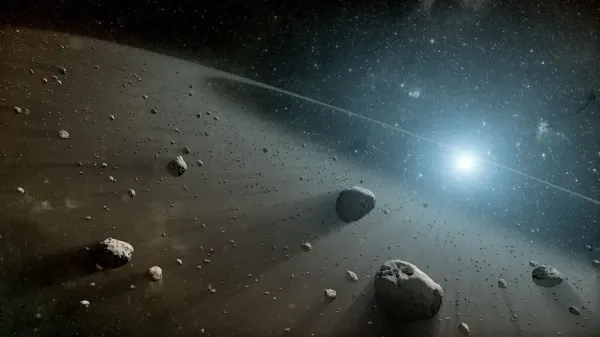
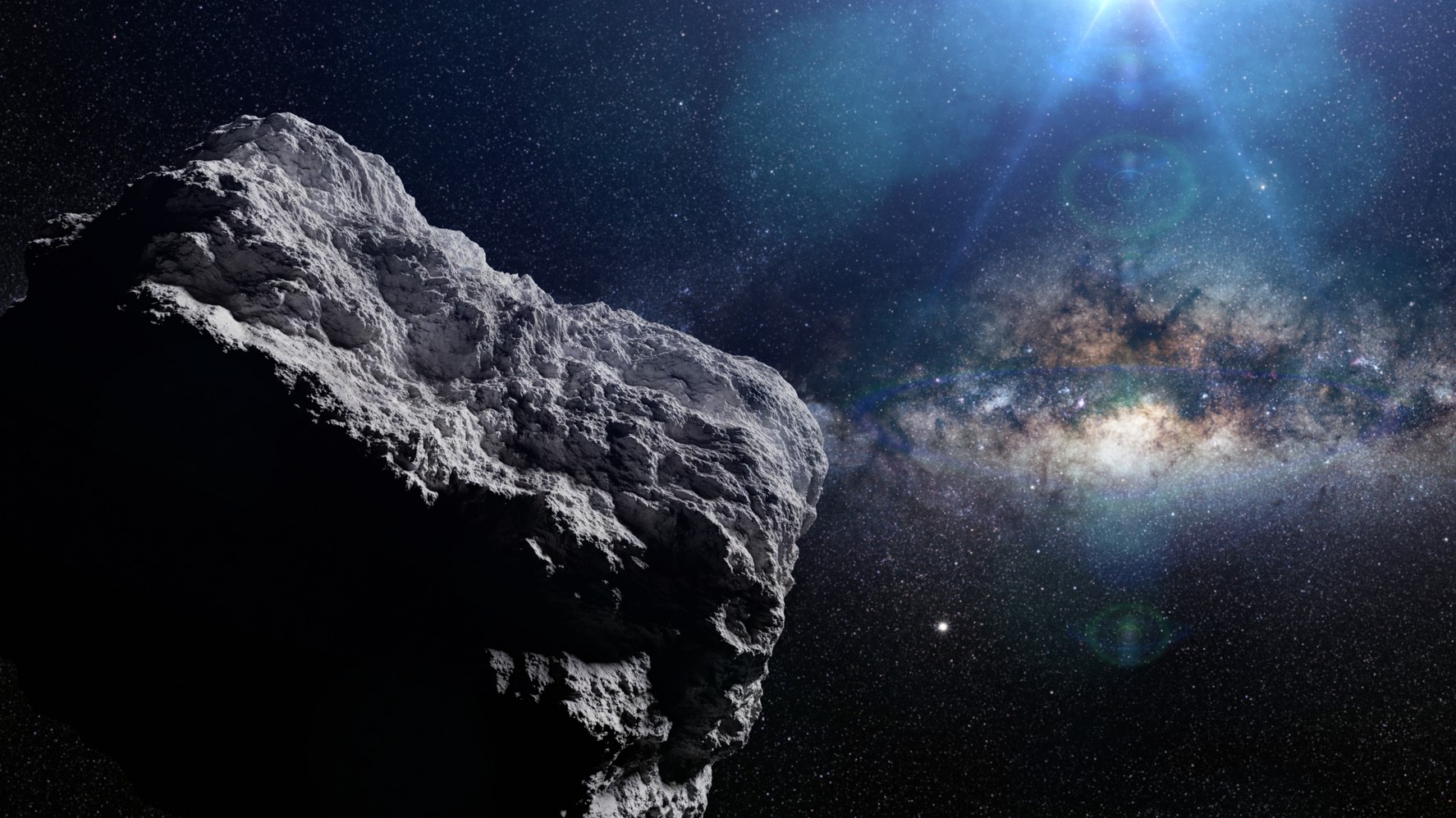
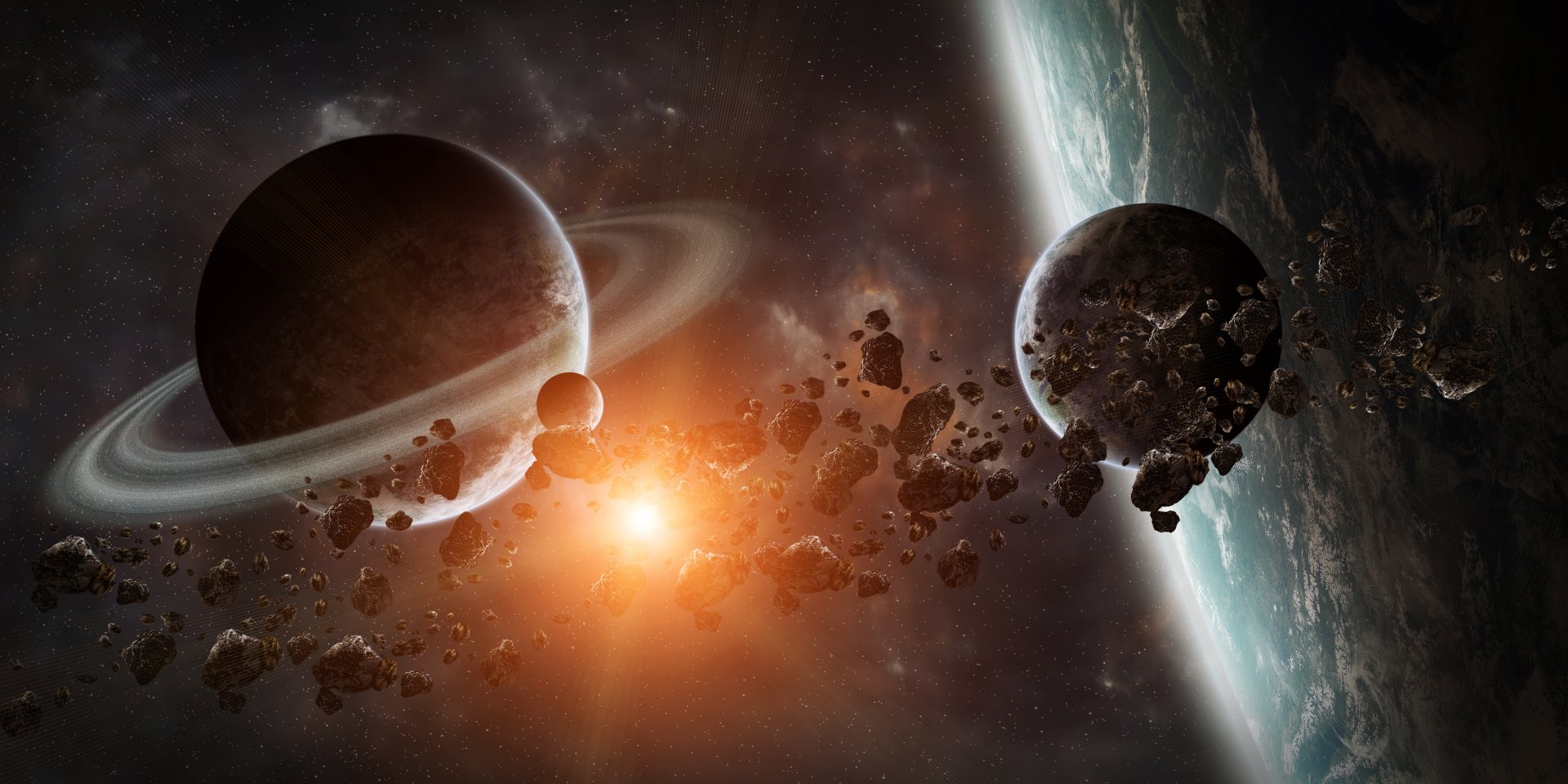
Asteroids are rocky, airless remnants left over from the early formation of our solar system about 4.6 billion years ago. Most of them inhabit the Asteroid Belt between Mars and Jupiter. For New Horizons, they represent the next major industrial frontier. They contain high concentrations of precious metals, water ice, and silicates that could fuel space-based manufacturing and serve as refueling depots for long-duration missions to the outer planets.
FOUNDATIONS / STRATEGIC LEARNING
WHAT WE LEARN IN ASTEROIDS
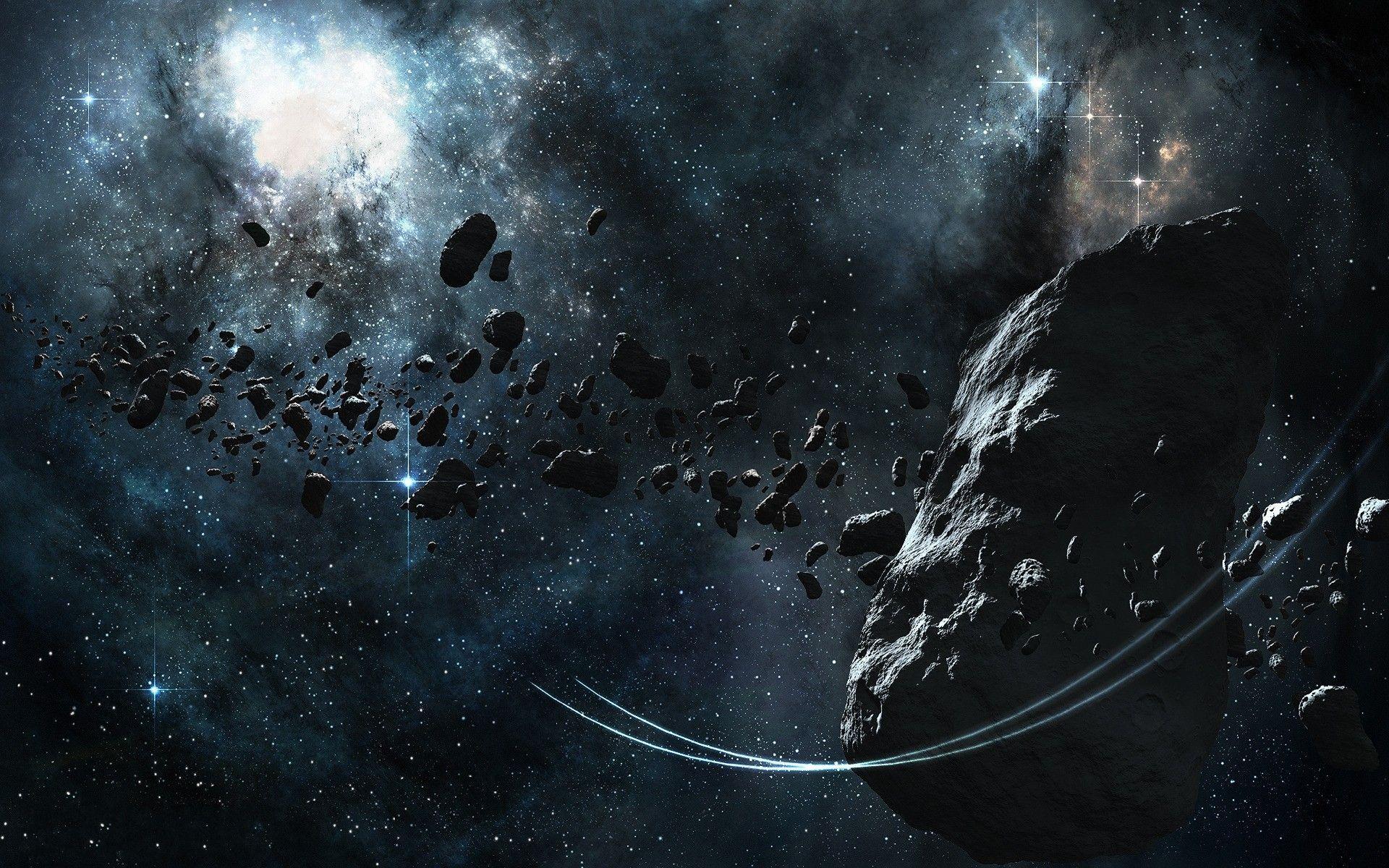
To master asteroids in the New Horizons ecosystem, we must move beyond simple observation. Our learning focus centers on the mechanical, chemical, and logistical properties that define these bodies. We study their composition to identify mineral wealth, analyze their orbital paths for navigation efficiency, and research low-gravity physics to design better landing and extraction hardware. This knowledge transforms "floating rocks" into the sustainable fuel and material depots of our future space infrastructure.
FOUNDATIONS / STRATEGY
IMPORTANCE OF ASTEROIDS
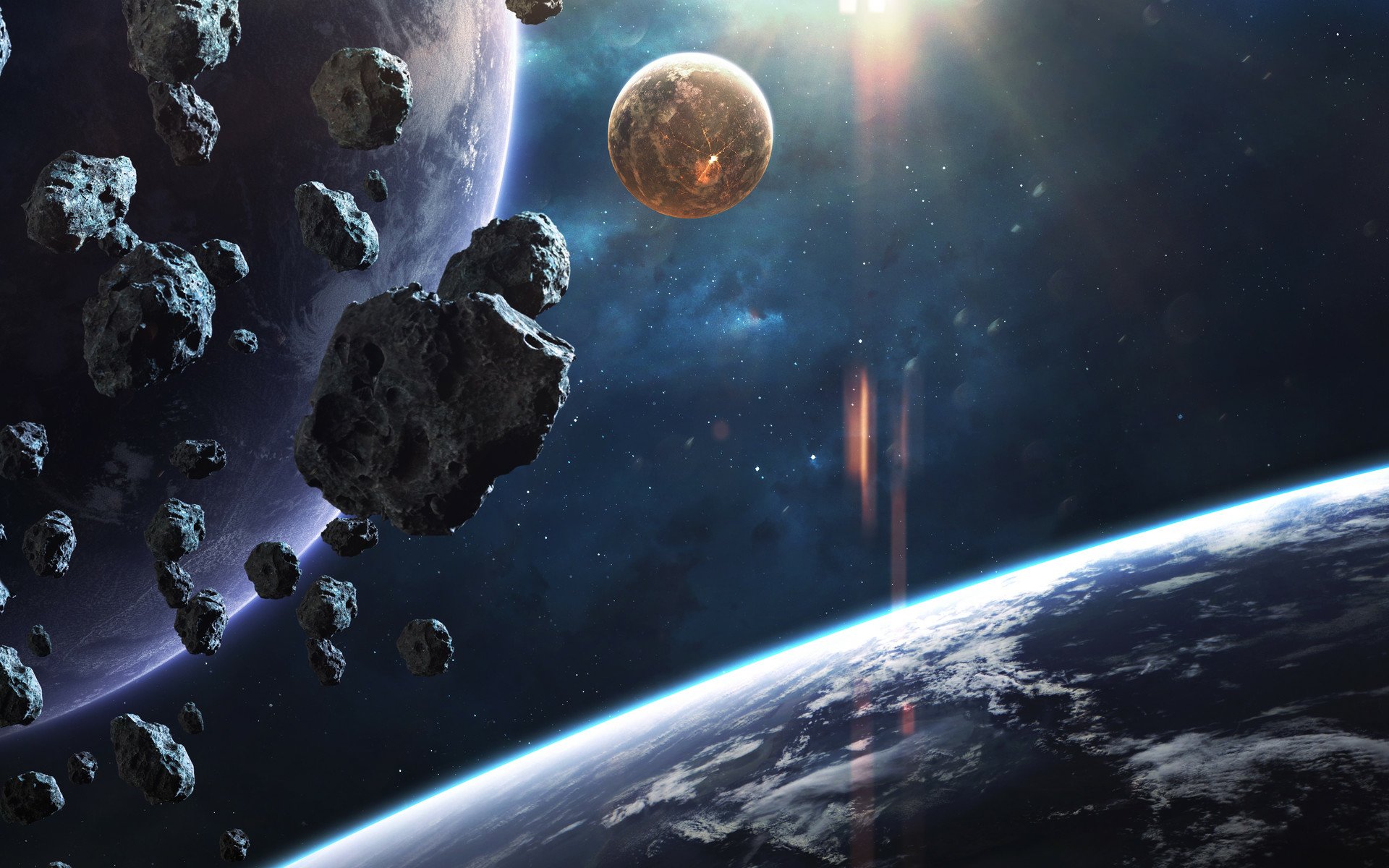
Studying asteroids is essential for the future of New Horizons for two primary reasons: Planetary Defense and Economic Sustainability. Understanding their trajectories is our first line of defense against potential impact events, safeguarding Earth. Economically, asteroids represent an virtually infinite supply of raw materials—rare earth metals, water for rocket fuel, and structural building blocks—that can move industrial activity off-world, reducing the environmental footprint on Earth and powering deep-space expansion.
FORMATION
Leftover debris from the solar nebula 4.6 billion years ago, unable to form a planet due to Jupiter's gravity.
LEARNCOMPOSITION
Diverse types including C-type (carbon-rich), S-type (silicate), and M-type (metallic).
ANALYSISLOCATION
Situated between the orbits of Mars and Jupiter; a region often referred to as the Main Belt.
ORBITAL MAPCERES
The largest object in the belt, classified as a dwarf planet, containing a massive ocean under its crust.
EXPLOREMISSIONS
NASA's Dawn mission provided unprecedented close-up views of Vesta and Ceres.
RECORDSMYTHS
Dispelling the movie trope: the belt is mostly empty space, not a crowded field of deadly rocks.
FACT CHECKJoin Our Newsletter
Stay updated with the latest astronomical discoveries, space mission updates, and community events from HORIZONS. It is an honor to have you join our journey through the stars.