Enceladus Geyser Height
PLANETARY LAB: ENCELADUS GEYSERS
SOUTH POLAR CRYOVOLCANISM, TIGER STRIPE FISSURES & PLUME ALTITUDES
Cryovolcanic Plumes & Ejection Mechanics
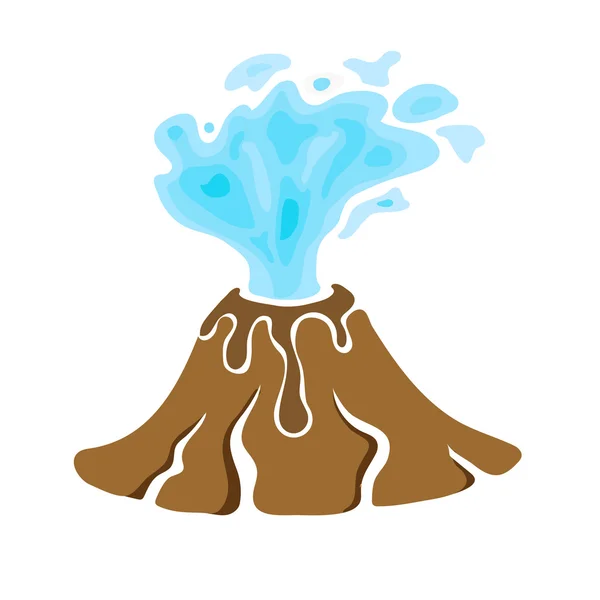
Enceladus shoots massive plumes of water ice, vapor, and organic compounds hundreds of kilometers into space from fractures in its south polar crust. Driven by tidal heating and low surface gravity, these active geysers feed Saturn’s diffuse E-ring.
Vapor and ice particles soaring far above the icy crust.
Extremely weak gravitational pull allowing high-altitude projectile trajectories.
Plume Sync
Cryo Mapping. Analyzing the Velocity / Gravity constant. New Horizons monitors the Geyser Buffer to track water vapor ejection into the Saturnian system.
- ❄️ Ejection: Subsurface Pressure Velocity Sync.
- 🌌 Escape: E-ring Orbital Injection Protocol.
- 📏 Altitude: Low-Gravity Ballistic Calibration.
Venting Sync
Energy Mapping. Analyzing the Salinity / Organic / Pressure constant. New Horizons monitors the Hydrothermal Buffer to track the flow of mass from the silicate core to the vacuum.
- 🌋 Thermal: Core-Ocean Heat Exchange Sync.
- 🧂 Saline: Mineral Dissolution Calibration.
- 🧬 Organic: Complex Prebiotic Nutrient Buffer.
Plume Sync
Ballistic Mapping. Analyzing the Velocity / Gravity constant. New Horizons monitors the Altitude Buffer to track the ejection of mass into the Saturnian system.
- 🚀 Ejection: High-Velocity Subsurface Venting.
- 📉 Gravity: Low-Mass Ballistic Compensation.
- 🪐 Orbit: E-ring Orbital Injection Protocol.
Tidal Sync
Energy Mapping. Analyzing the Eccentricity / Friction / Gravity constant. New Horizons monitors the Thermal Buffer to track the gravitational heating of the core.
- 🔄 Flexing: Gravitational Deformation Sync.
- 🔥 Friction: Kinetic-to-Thermal Energy Conversion.
- 🌊 Ocean: Liquid State Maintenance Buffer.
Ring Feed
Mass Mapping. Analyzing the Ejection / Accretion constant. New Horizons monitors the Orbital Buffer to track the construction of Saturn's E-ring by Enceladus.
- 💧 Source: 200kg/s Water Ice Injection Sync.
- 🔄 Equilibrium: Replenishment vs. Erosion Buffer.
- 🪐 Scale: Moon-to-Giant Ring Distribution.
ICY MOONS / CRYOVOLCANIC PLUMES
The Towering Cryovolcanic Geysers of Enceladus
Enceladus, one of Saturn's most fascinating icy satellites, features colossal cryovolcanic geysers erupting from warm fracture zones known as the "tiger stripes" near its south polar terrain. Driven by subsurface hydrothermal pressure and tidal flexing from Saturn's massive gravity well, these towering plumes shoot water vapor, sodium salts, complex organic molecules, and microscopic ice crystals hundreds of kilometers into space, escaping the moon's weak surface gravity entirely.
ICY MOONS / TIDAL DISSIPATION DYNAMICS
Tidal Flexing and Subsurface Hydrothermal Energy
The staggering altitude and persistence of Enceladus' cryovolcanic plumes are powered by continuous tidal dissipation within the moon's interior. Locked in a resonant orbital dance with Saturn and neighboring satellites, Enceladus experiences intense gravitational flexing that kneads its rocky core and ice shell. This internal frictional heating prevents the global subsurface ocean from freezing solid, generating localized hydrothermal convection currents that force pressurized vapor and ice grains outward through narrow structural nozzles in the southern crust at supersonic velocities.
ICY MOONS / RING SYSTEM GENESIS
Ejecta Trajectory and Saturn's E-Ring Source
The majestic geysers of Enceladus do more than merely spray the lunar surface; their towering altitude and escaping velocity play a foundational role in shaping the broader Saturnian ring system. The heavier ice particles fall back down as snowy frost, while the finest vapor and microscopic grains escape the moon's gravity well entirely to populate and sustain Saturn's diffuse E-ring. Direct Cassini spacecraft flythroughs of these plumes have sampled pristine organic compounds and salts from the subsurface ocean, providing direct insight into an alien hydrosphere without requiring a landing mission.

Enceladus Geyser Height & Plume Dynamics FAQs
Examining the towering cryovolcanic plumes, water-ice geysers, south pole tiger stripes, and ejection velocities on Saturn's icy moon Enceladus
Cryovolcanic geysers are massive, continuous jets of water vapor, ice particles, and organic compounds erupting from underground reservoirs through fractures in Enceladus' icy crust.
The largest geyser plumes shoot hundreds of kilometers into space—reaching heights of up to 500 kilometers (over 300 miles) above the moon's surface before feeding Saturn's E-ring.
The geysers are driven by subsurface pressure from a global subsurface liquid ocean, where warm water vapor escapes through narrow vents under high thermodynamic pressure.
Nearly all active geysers erupt from a set of parallel thermal fractures known as "tiger stripes" located in the geologically active south polar region of Enceladus.
Cassini measurements revealed the plumes consist mostly of water vapor, sodium salts, molecular hydrogen, carbon dioxide, methane, and complex organic macromolecular compounds.
NASA's Cassini spacecraft made the groundbreaking discovery in 2005 when its cameras and spectrometers captured backlit images of ice fountains soaring above the south pole.
Because Enceladus is small and has a very low surface gravity, ice particles only need to reach an escape velocity of about 240 meters per second to break free into orbit.
Gravitational flexing from Saturn and neighboring moon Dione creates internal frictional heat, keeping Enceladus' subsurface ocean liquid and driving continuous geyser eruptions.
The tiger stripe fractures act as natural nozzles where warm subterranean gases and ice crystals are funneled outward into the vacuum of space at high speeds.
The geysers provide direct, free samples of a potentially habitable alien ocean without requiring costly and complex subsurface drilling missions.
Sources
PLUME HEIGHT
The geysers reach heights of **hundreds of kilometers**. Some particles even escape the moon's gravity entirely and help form Saturn's E-ring.
ENCELADUS FACTSESCAPE VELOCITY
Because Enceladus has low gravity (**0.011 g**), the escape velocity is only ~**239 m/s**. Plume gases easily travel 10x the moon's diameter.
GRAVITY SPECSE-RING SOURCE
Enceladus is the primary source of material for Saturn's vast, diffuse **E-ring**. Roughly 200 kg of water vapor is ejected into space every second.
RING DYNAMICS- Horizon -

Saturn

Ring Particle Collision

Thickness / Scale Ratio

Shepherd Moon Gravity
Roche Limit Calc

Dust to Ice Ratio
Ring Orbital Speed

Hexagon Wind Speed

Saturn's Density

Helium Rain Energy

Diamond Rain Energy

Supersonic Jet Streams

Methane Rain Ratio

Human Flight on Titan

Hydrocarbon Lake Depth

Titan Buoyancy

Gravity Well

Atmospheric Opacity

Enceladus Geyser Height

Light Travel Delay
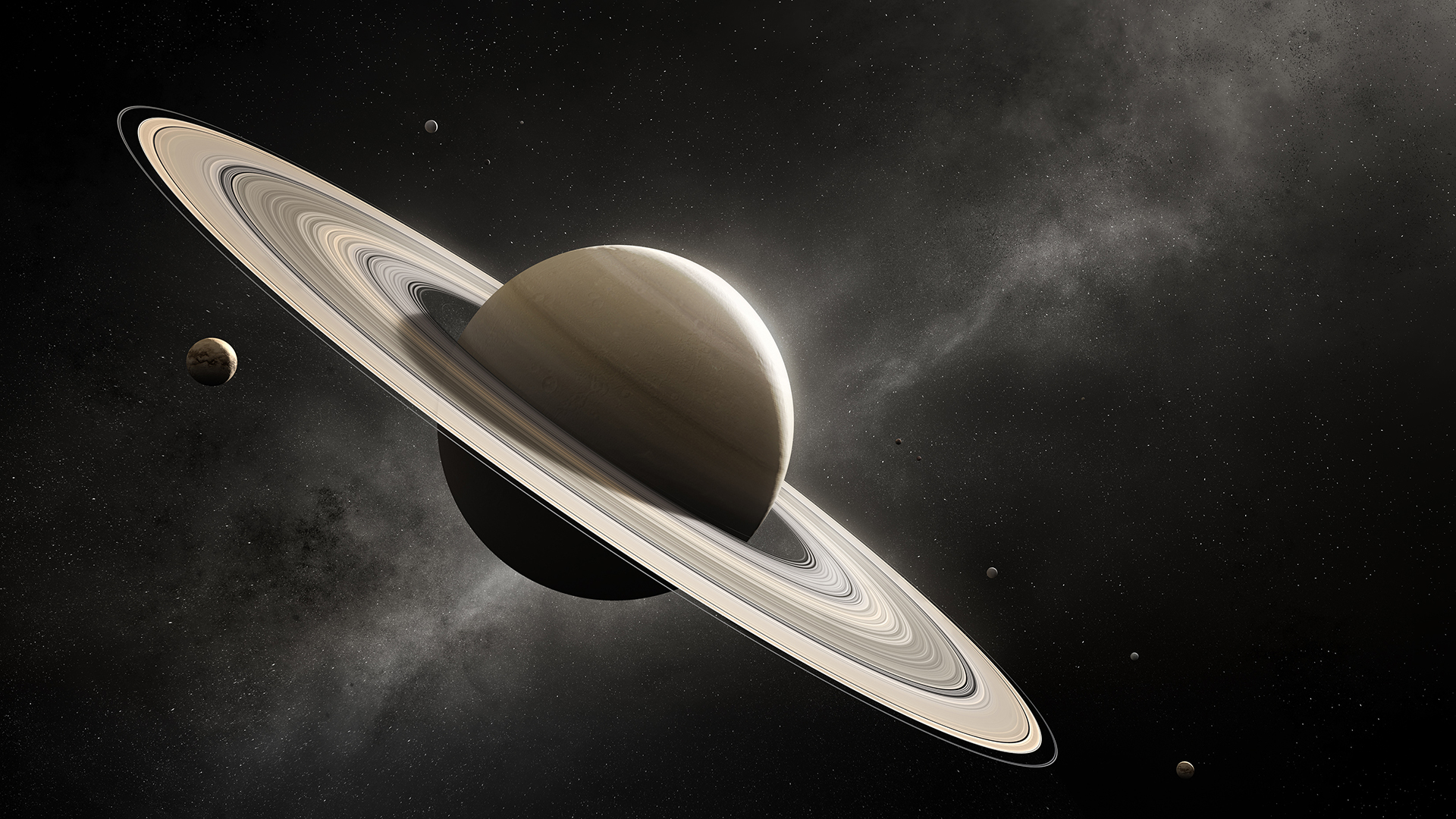
Saturn Season Tilt
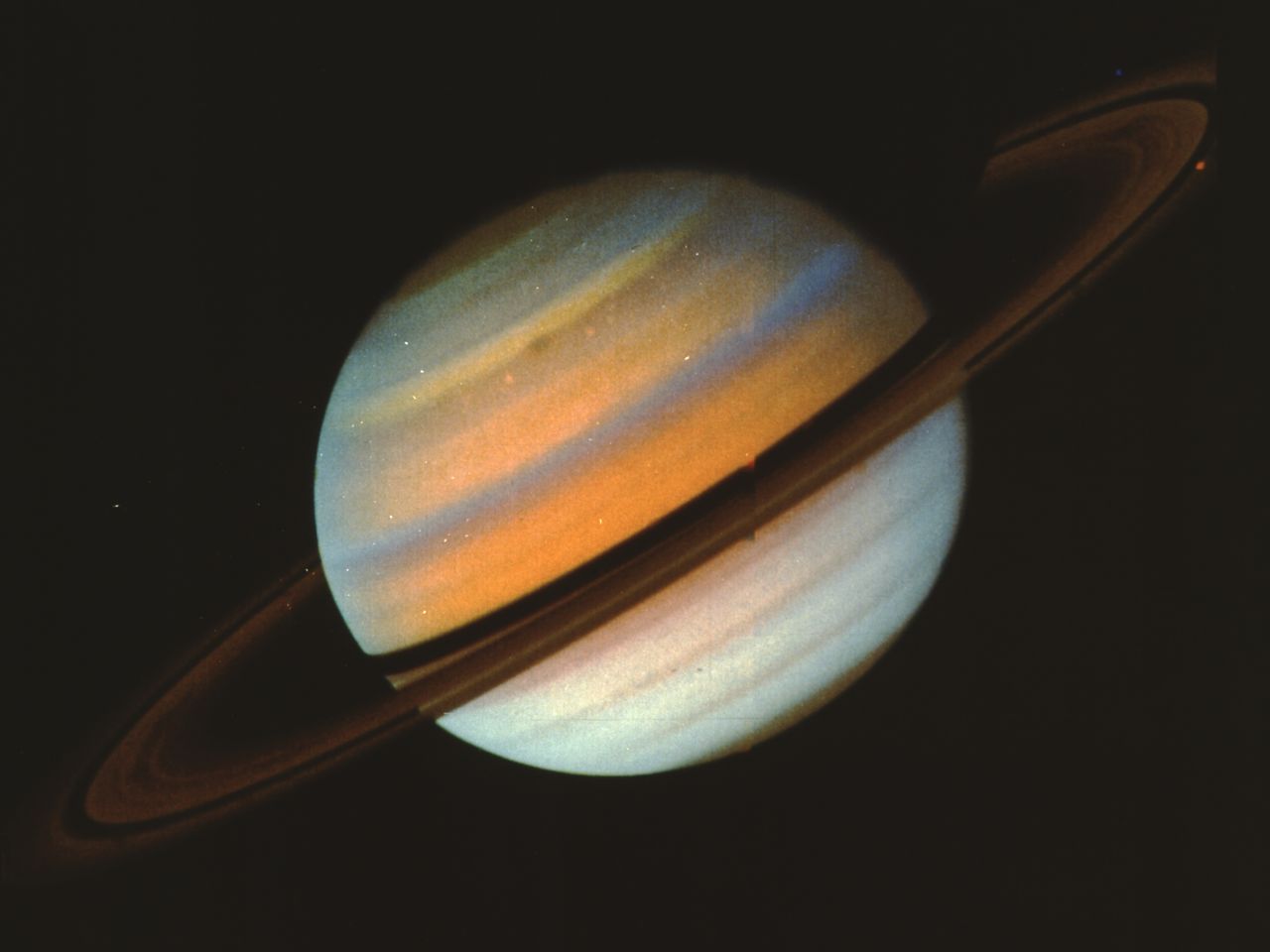
3D Model of Saturn