Neptune Radiator
INTERNAL THERMAL RADIATOR
SURPLUS ENERGY & CORE HEAT ENGINE
The Hidden Heat Engine
Despite orbiting 4.5 billion kilometers from the Sun and receiving very sparse solar radiation, Neptune radiates roughly 2.6 times more heat than it absorbs. This massive thermal surplus serves as the primary engine driving its fierce supersonic storms.
Radiates significantly more heat into space than it captures from solar radiation alone.
Slow gravitational contraction and planetary differentiation keep the deep interior sizzling.
Internal Heat
The Radiant Giant. Neptune generates more heat from its core than it receives from the Sun, powering the solar system's most violent weather.
- ☀️ Ratio: 2.6x solar energy radiated.
- 💎 Theory: Heat generated by "Diamond Rain."
- 🌪️ Driver: Fuel for 2,100 km/h winds.
Heat Decay
The Cooling Giant. Neptune is powered by the dying embers of its own creation, leaking primordial heat into the void at 2.6x the rate of solar intake.
- ⏳ Primordial: 4.5 billion years of stored thermal energy.
- 📉 Contraction: Constant gravitational shrinking.
- ⚛️ Isotopes: Radioactive decay in the rocky core.
The Twin Mystery
Thermal Divergence. One twin is a violent, heat-leaking engine; the other is a frozen, quiet enigma. Why did Uranus lose its fire?
- 📉 Uranus: Thermally dead; almost no internal radiance.
- 🔥 Neptune: Active core drives Mach-1.6 winds.
- 🧪 Theory: Impact vs. Internal Insulation.
Atmospheric Engine
Thermal Upwelling. Neptune’s interior heat boils through its icy exterior, creating a frictionless engine that accelerates winds beyond the speed of sound.
- 🔥 Source: 5,000°C internal thermal bleed.
- 🌀 Drive: Powerful vertical convection currents.
- 🏁 Output: 2,100 km/h supersonic wind bands.
NEPTUNE / THERMODYNAMICS
INTERNAL HEAT: THE ATMOSPHERIC ENGINE
Unlike Earth, where solar energy dominates weather, Neptune’s climate is driven primarily from within. The planet radiates 2.7 times more energy than it receives from the distant Sun. This massive internal heat flux generates profound convective currents, pushing gas from the deep, high-pressure interior up toward the troposphere. This energy gradient is the engine behind Neptune's supersonic winds and its ability to sustain rapid, large-scale storm features even in the extreme cold of the outer solar system.

NEPTUNE / DYNAMICS & FRICTION
ATMOSPHERIC FRICTION: DRAG DYNAMICS
Friction in Neptune's atmosphere operates differently than on terrestrial planets. Here, "drag" is primarily manifested through momentum transfer across turbulent boundary layers. As convective plumes from the deep interior rise, they interact with the distinct shear layers of the upper atmosphere, creating significant internal friction. This drag acts as a regulatory brake, preventing the planet's zonal winds from accelerating beyond their observed supersonic limits and balancing the massive kinetic energy generated by internal heat flux.
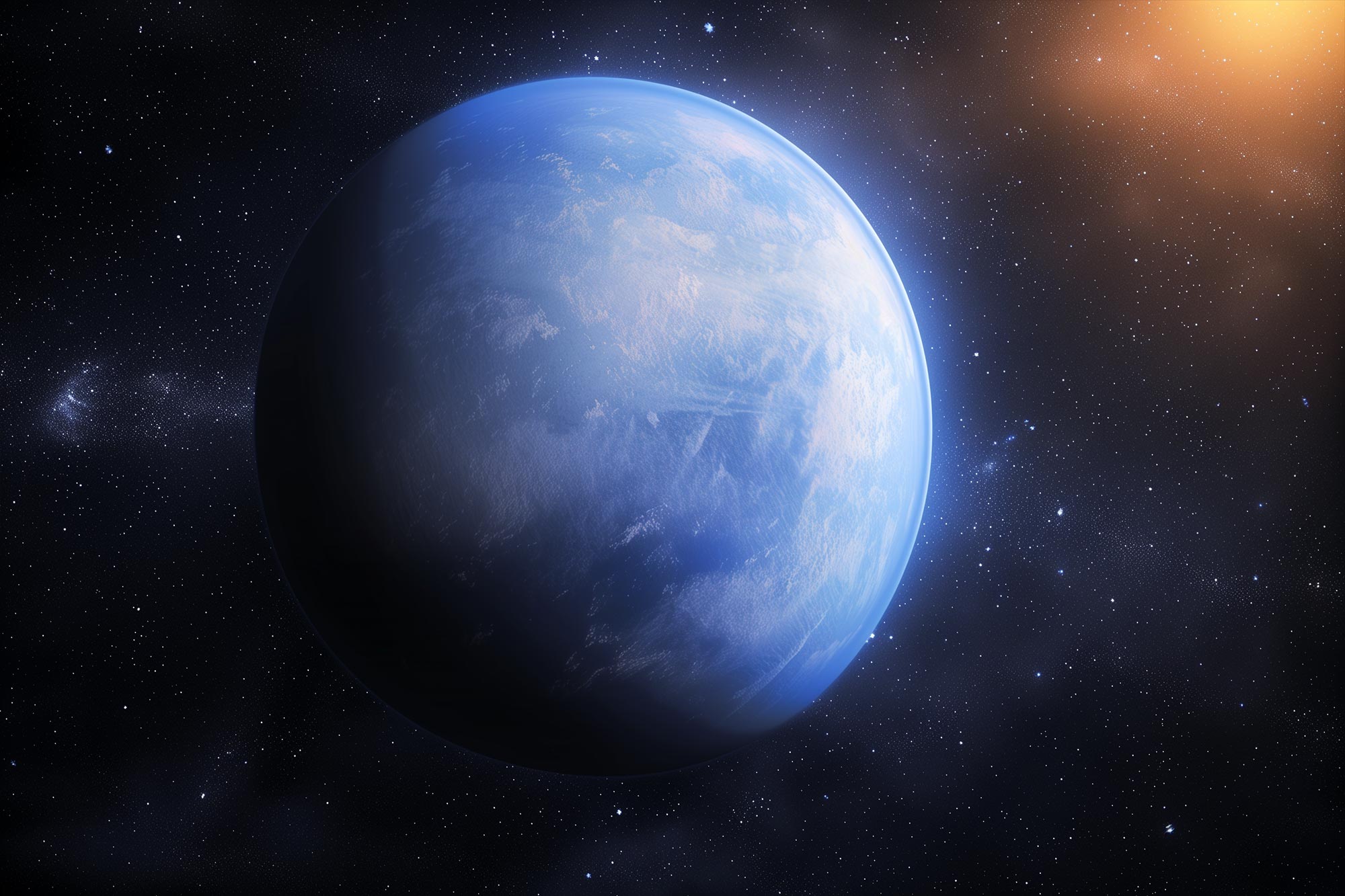
NEPTUNE / CONVECTIVE THERMODYNAMICS
CONVECTIVE EFFICIENCY: HEAT TRANSPORT
Convection is the primary mechanism for moving Neptune's internal heat toward the surface. The efficiency of this process is governed by the atmospheric composition and the local opacity of the gas. Where convective efficiency is high, heat is transported rapidly, fueling large-scale storm development. Where it is restricted, thermal energy pools in the lower layers, contributing to the planet's stable, long-term temperature gradients that regulate the overall tropospheric circulation patterns.
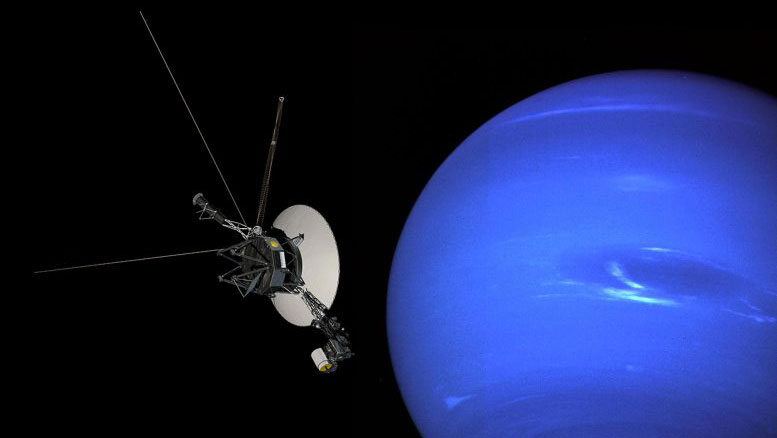
NEPTUNE / THERMAL EQUILIBRIUM
RADIATIVE-CONVECTIVE: THERMAL BALANCE
Neptune’s atmospheric temperature profile is the result of a delicate struggle between convection, which transports internal heat upward, and radiative cooling, which emits energy into the void. This state—known as Radiative-Convective Equilibrium—defines the vertical thermal structure of the planet. When these processes are out of balance, the atmosphere reacts by adjusting wind patterns, making this equilibrium the foundational "set point" for all of Neptune’s complex meteorological activity.

NEPTUNE / DYNAMICAL METEOROLOGY
BAROCLINIC INSTABILITY: STORM GENERATION
Baroclinic instability is the primary driver for storm formation in rotating, stratified fluids like Neptune's atmosphere. When temperature gradients develop between different latitudes—fueled by the planet's internal heat flux—the atmosphere becomes unstable. This instability allows potential energy stored in these thermal gradients to be converted into the kinetic energy of rotating storm systems, explaining how Neptune maintains massive, persistent anti-cyclonic features despite the cold solar environment.
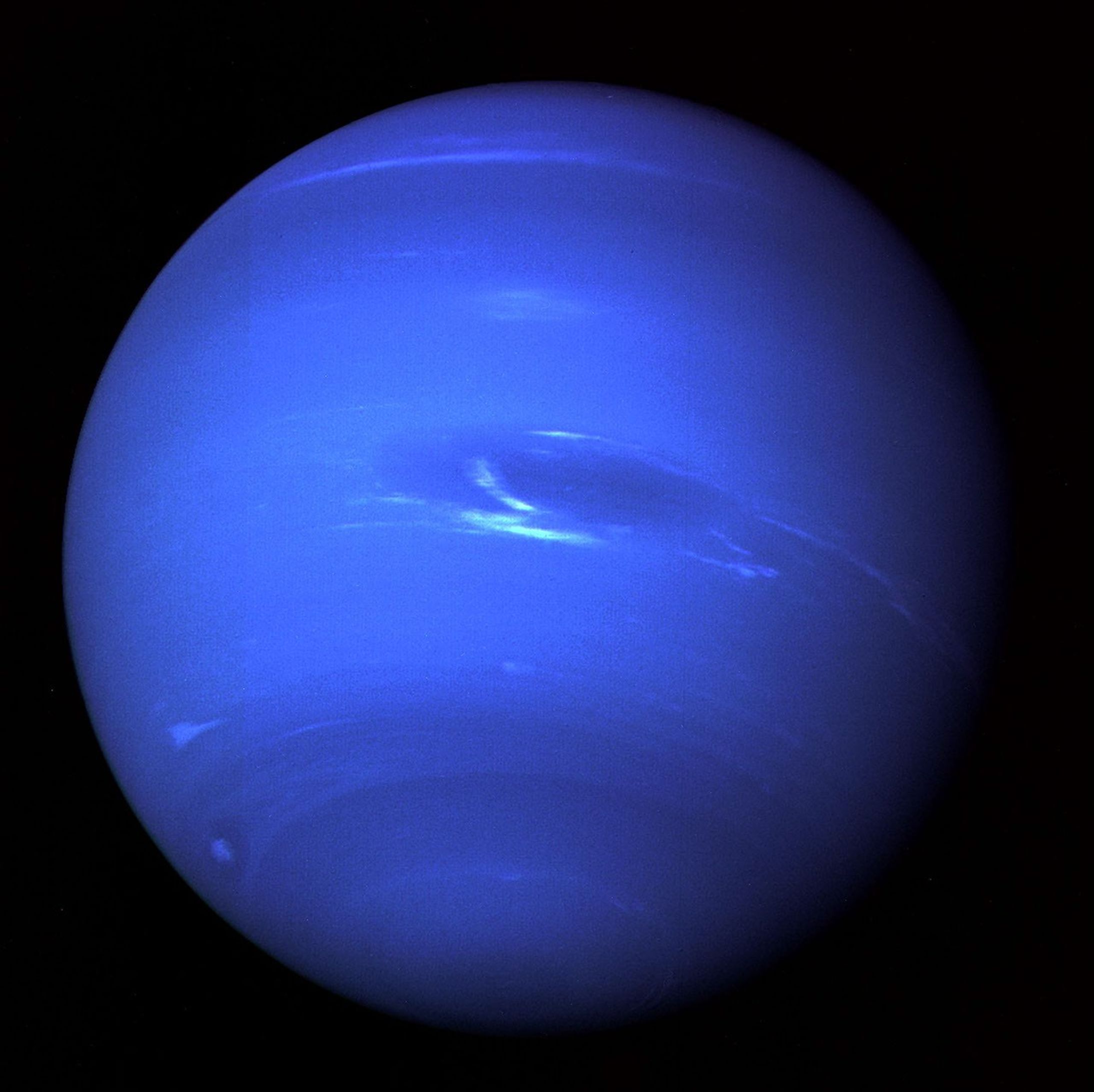

Neptune's Internal Heat FAQs
Exploring the surprising thermal energy source of the outermost ice giant
Yes, despite being the farthest major planet from the Sun, Neptune radiates more than twice as much energy as it receives from solar radiation.
Scientists believe the heat is a leftover remnant of the planet's formation, generated by gravitational compression and the continuous settling of heavier elements toward its core.
This internal energy drives powerful convective currents from deep within, fueling the extreme atmospheric turbulence and supersonic winds observed in its upper atmosphere.
Although Uranus and Neptune are similar ice giants, Uranus radiates almost no excess heat, a major planetary mystery that scientists are still trying to solve.
Spacecraft and space telescopes measure the total thermal infrared radiation emitted by the planet and compare it directly against the amount of sunlight absorbed by its upper atmosphere.
Sources
PRIMORDIAL HEAT
Heat left over from the planet's formation 4.5 billion years ago is still being trapped and slowly released.
FORMATION DATADIAMOND RAIN
Methane under extreme pressure may break down into diamonds; as they "rain" down, friction generates massive thermal energy.
PHYSICS STUDYADIABATIC LAPSE
The convection currents created by this internal warmth drive the atmospheric "lapse rate" and fuel supersonic storms.
THERMAL PROFILESExplore Tools!

Neptune

Supersonic Winds

Triton Retrograde Orbit

Signal Delay (Speed of Light)
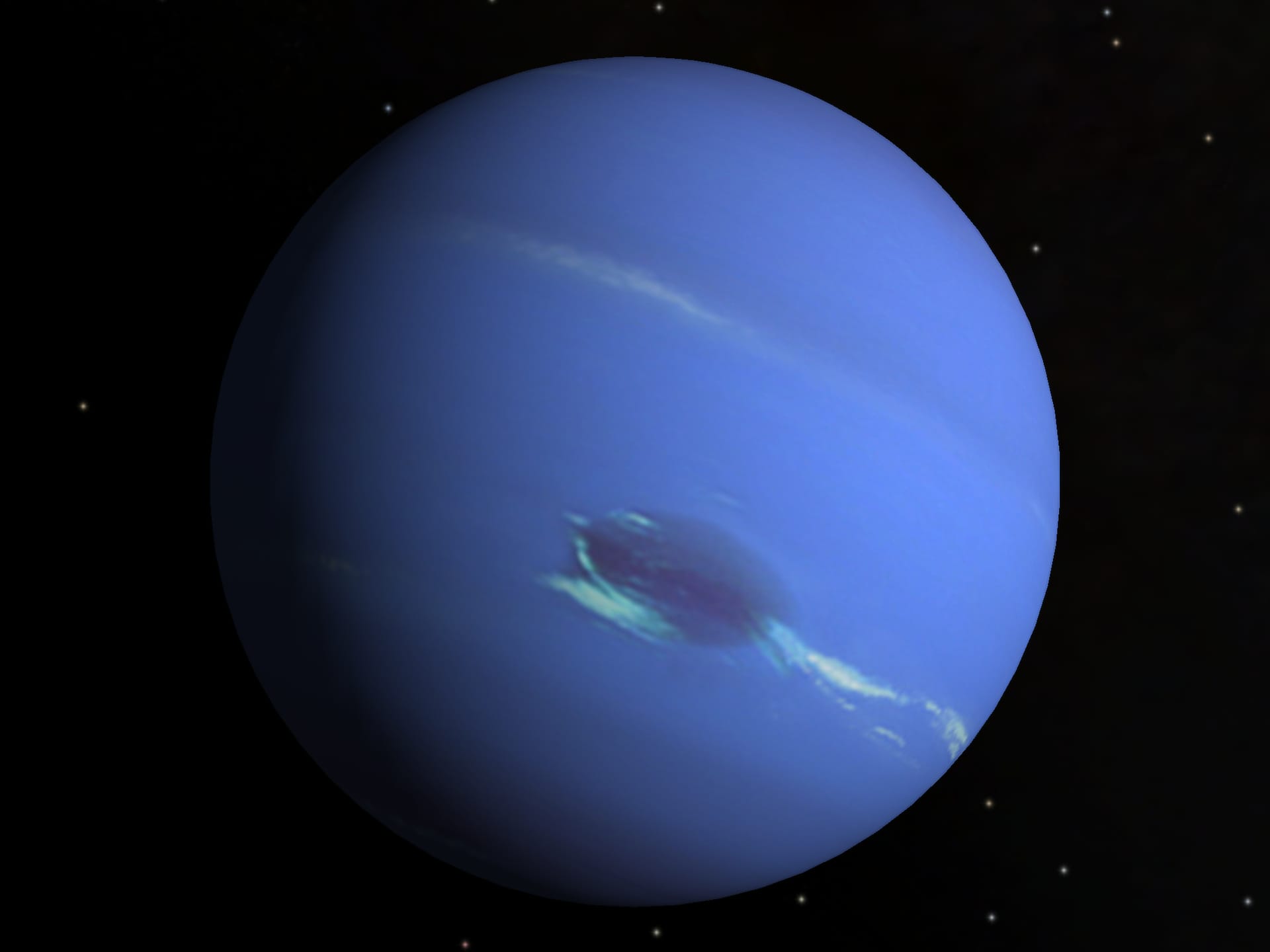
Great Dark Spot

Internal Heat Radiator

Triton Geyser Height

Cloud Top Gravity

Density Comparison

"Scooter" Cloud

Atmospheric Velocity

Solar Distance Flux
Escape Velocity

Possibility of Life
