
Neptune Spot
THE GREAT DARK SPOT
PLANETARY CYCLONES & VORTEX DYNAMICS
The Planetary Anticyclone
First discovered by Voyager 2 in 1989, Neptune's Great Dark Spot is a massive spinning storm roughly the size of Earth. Unlike Jupiter's permanent Great Red Spot, Neptune's dark vortices are transient features that materialize, drift, and eventually dissipate.
Colossal oval vortex systems span thousands of kilometers across the ice giant's southern hemisphere.
Unlike solid planetary features, these dark spots migrate across latitudes before breaking apart or fading.
Great Dark Spot
The Vanishing Giant. An Earth-sized vortex driven by supersonic winds, the Great Dark Spot represents the ultimate peak of planetary meteorology.
- 🌪️ Winds: 2,100 km/h (Mach 1.6).
- 📉 Lifespan: Highly transient; disappeared within 5 years.
- ☁️ Companions: Surrounded by methane ice "cirrus" clouds.
GDS-89 Discovery
1989 Telemetry. Voyager 2 revealed a world of supersonic winds and Earth-sized shadows, shattering our view of the outer solar system.
- 📡 Mission: Voyager 2 Grand Tour (1989).
- 🌀 Feature: Great Dark Spot (GDS-89).
- ☁️ Companion: The high-speed "Scooter" cloud.
The Disappearing Storm
Atmospheric Ghosts. Neptune's storms are not permanent landmarks, but dynamic events that appear and dissolve in the supersonic wind.
- 🔍 1989: GDS-89 spotted by Voyager 2.
- 💨 1994: Storm shredded by equatorial wind shear.
- 🔄 1995: New northern storm emerges (GDS-94).
Supersonic Vortex
Mach 1.6 Winds. On Neptune, the weather doesn't just blow—it breaks the sound barrier, pushing methane clouds at speeds that would shred an Earth hurricane.
- ⚡ Velocity: 2,100 km/h (Peak Recorded).
- 🌊 Shock: Kinetic energy creates high-altitude drag.
- 🔥 Source: Powered by Neptune's mysterious internal heat.

Unlock Neptune's Secrets
Dive into the atmospheric mysteries of Neptune. From the transient Great Dark Spot to the supersonic winds and methane ice clouds, discover the extreme weather dynamics of our solar system's outermost giant.
READ NEPTUNE BLOGSASTRONOMY / ATMOSPHERIC STORMS
THE GREAT DARK SPOT
When NASA's Voyager 2 spacecraft swept past Neptune in 1989, it revealed a massive, continent-sized storm system swirling across the azure cloud decks. Known as the Great Dark Spot, this colossal anticyclone remains one of the solar system's most striking atmospheric mysteries.

ASTRONOMY / VORTEX DYNAMICS
DRIFTING ACROSS THE AZURE
Neptune's dark storms are not stationary fixtures. Driven by fierce latitudinal wind gradients, these massive atmospheric vortices drift relentlessly across the planet's latitude bands while interacting with bright methane ice clouds.

ASTRONOMY / FUTURE METEOROLOGY
DECODING THE ICE GIANT
As ground-based telescopes and space observatories refine their infrared vision, planetary scientists continue to model Neptune's complex climate cycles, transforming our understanding of extreme weather across the galaxy.


Neptune's Great Dark Spot FAQs
Investigating the disappearing storms of the blue giant
It was a massive, Earth-sized storm system discovered by Voyager 2 in 1989, characterized by dark, swirling clouds in Neptune's southern hemisphere.
No. By the time the Hubble Space Telescope looked for it in 1994, the original Great Dark Spot had completely vanished, though new spots have appeared since.
They are high-pressure anticyclonic storms that form in the upper atmosphere, likely caused by atmospheric turbulence and the planet's extreme wind speeds.
They appear dark because they are "holes" in the upper cloud deck, allowing us to see deeper into the darker, colder layers of Neptune's atmosphere below.
Unlike Jupiter's permanent Great Red Spot, Neptune's dark spots are transient and short-lived, typically appearing and dissipating over a period of only a few years.
Explore Tools!
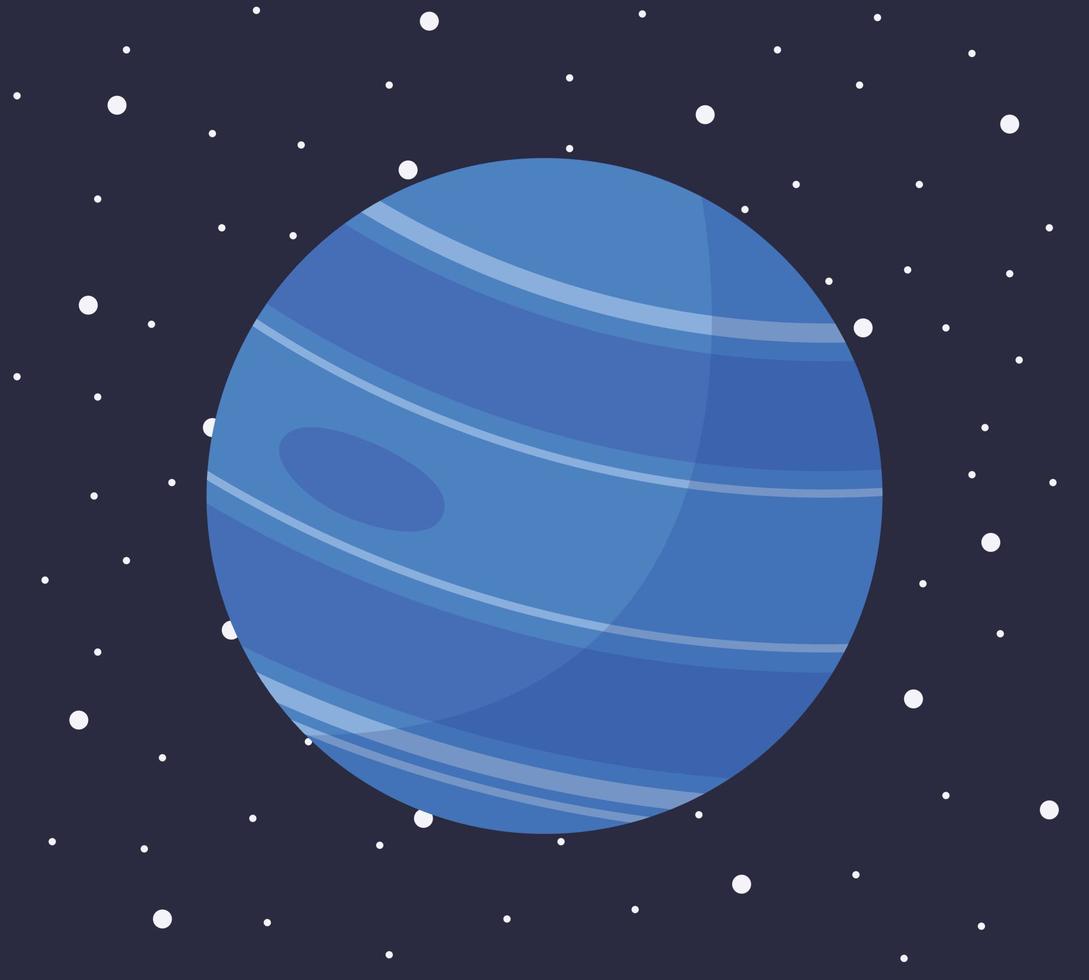
Neptune

Supersonic Winds

Triton Retrograde Orbit

Signal Delay (Speed of Light)
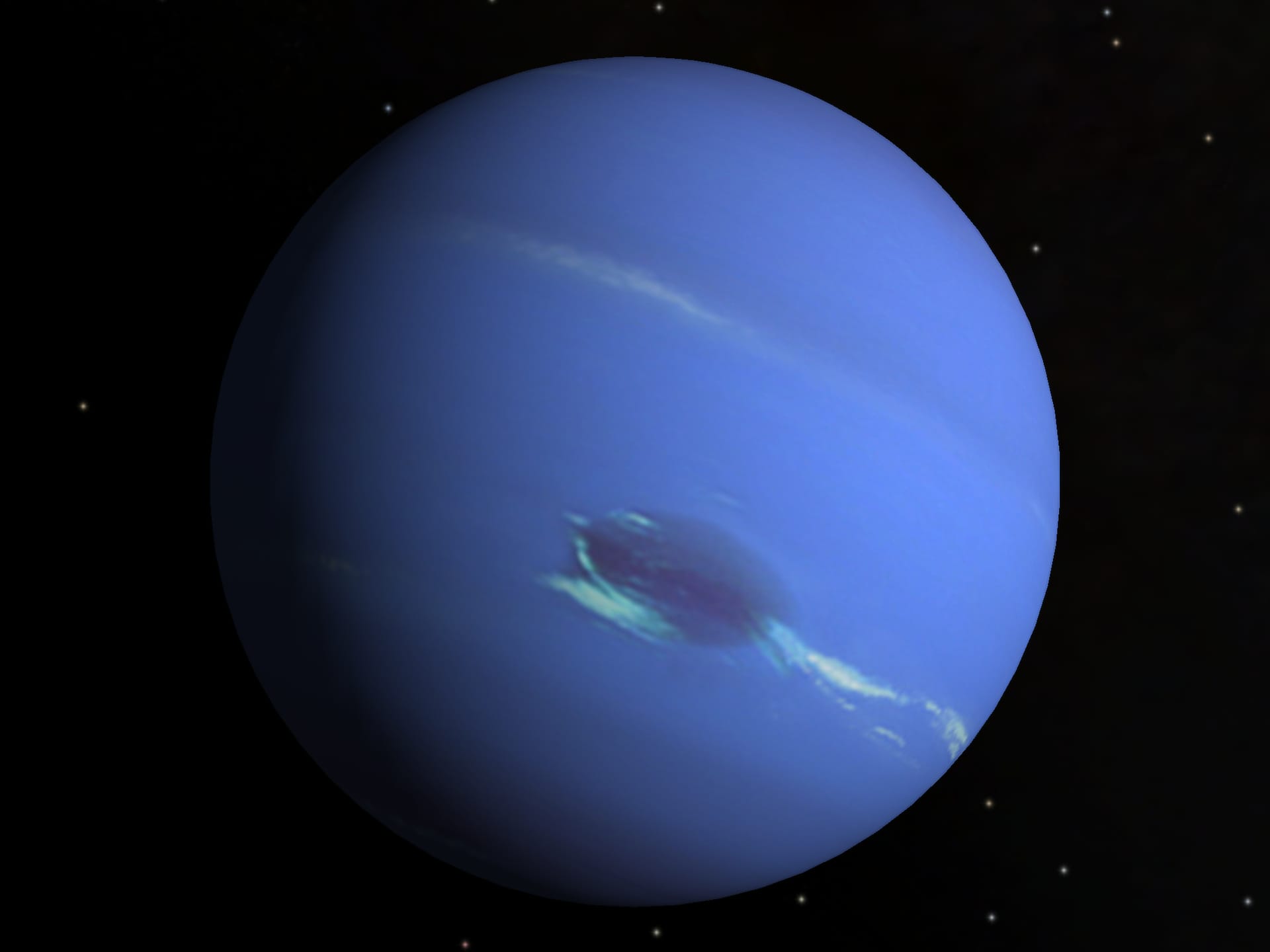
Great Dark Spot

Internal Heat Radiator

Triton Geyser Height

Cloud Top Gravity

Density Comparison

"Scooter" Cloud

Atmospheric Velocity

Solar Distance Flux
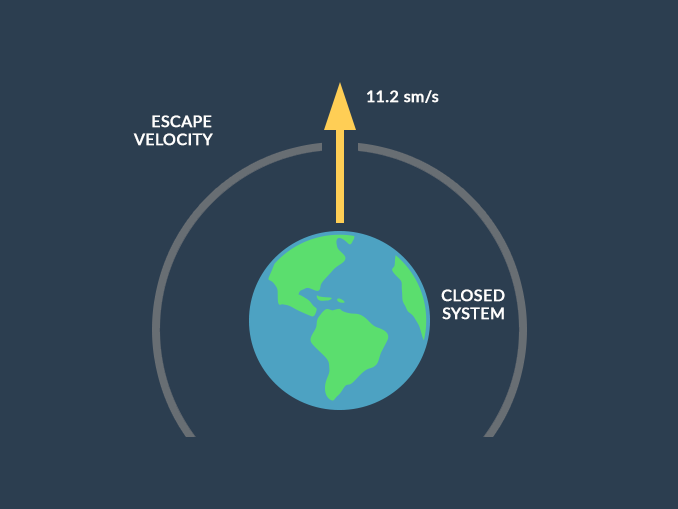
Escape Velocity

Possibility of Life

View 3D Neptune
Sources
VOYAGER DISCOVERY
In 1989, the spot was the size of Earth. By the time Hubble looked in 1994, it had completely vanished.
VOYAGER ARCHIVEATMOSPHERIC DYNAMICS
The GDS was an anticyclone with winds rotating counter-clockwise, accompanied by "Scooter," a small white cloud.
HUBBLE UPDATESRECURRING PHENOMENA
Since 1989, several other dark spots have appeared and disappeared, suggesting Neptune's weather is highly cyclical.
STORM CYCLES