Orbital Physics

Orbital Velocity

Transfer Orbit

Escape Velocity

Orbital Period

Apsides (Apo/Peri)

Inclination Shift

Sphere of Influence

Synodic Period

Kepler's Laws
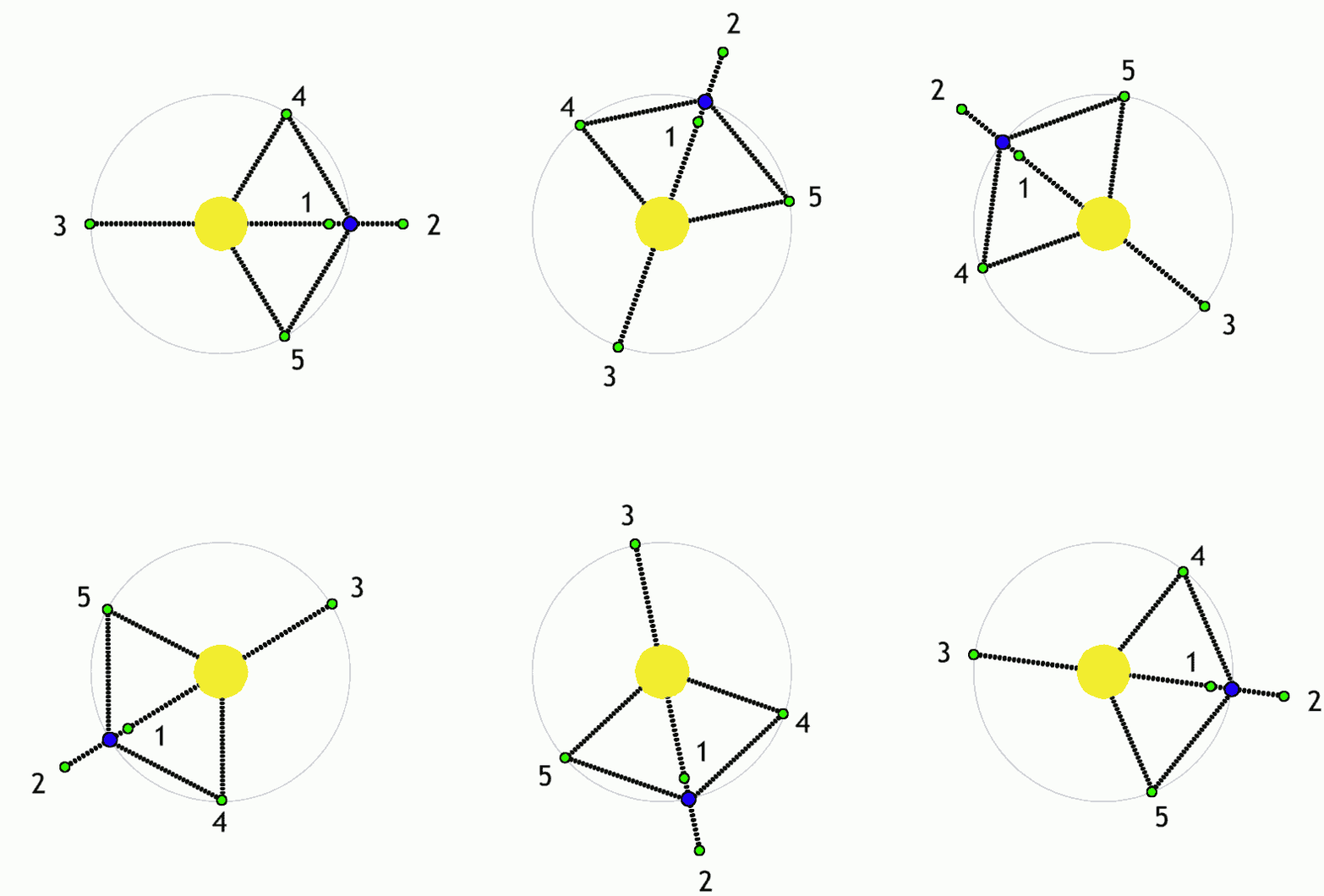
Lagrange Points
Satellite Coverage
Inclination Δv
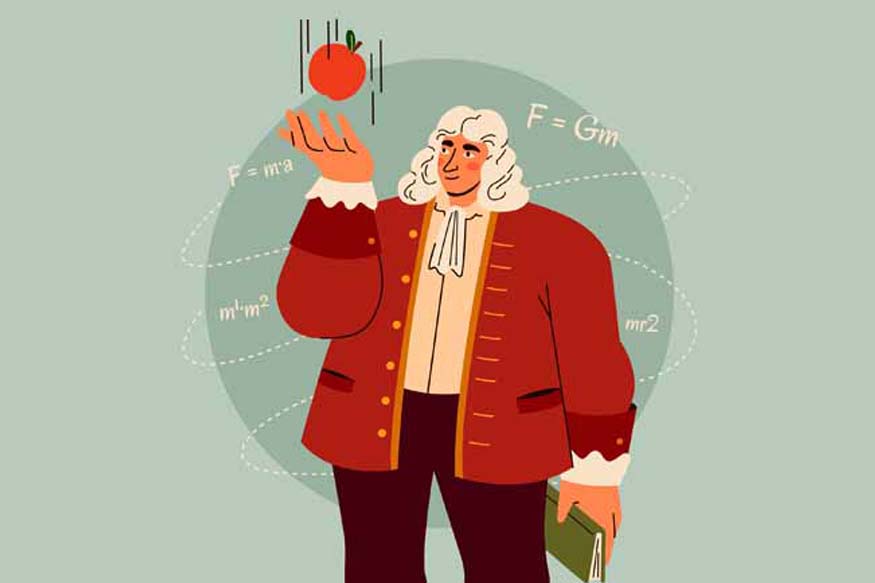
Newton Law
Periapsis Return
FOUNDATIONS / ASTRODYNAMICS
ORBITAL MECHANICS: THE DANCE OF GRAVITY
Orbital mechanics, or astrodynamics, is the study of the motion of artificial satellites and space vehicles under the influence of forces such as gravity, atmospheric drag, and thrust. By leveraging the laws of motion and universal gravitation, we calculate the precise trajectories required to navigate the solar system. For New Horizons, understanding these mechanics is the key to executing everything from complex gravitational assists to station-keeping maneuvers in deep space.

FOUNDATIONS / PHILOSOPHY
WHY MASTER ORBITAL MECHANICS?
Learning orbital mechanics is the difference between simply launching a rocket and choreographing a celestial ballet. It transforms abstract physics into practical mission capability, allowing us to plan efficient transfers, execute complex gravitational assists, and ensure the survival of spacecraft in the unforgiving void. Mastering these dynamics is essential for anyone aiming to move beyond Earth orbit and truly inhabit the solar system.

FOUNDATIONS / STRATEGY
WHY IT MATTERS: STRATEGIC IMPACT
Mastering orbital mechanics is not merely an academic exercise; it is the fundamental requirement for all operational space activity. It determines the feasibility of deep-space communications, ensures the safety of long-duration missions, and dictates the efficiency of every satellite constellation. For New Horizons, this knowledge is the bedrock of our autonomous navigation research, allowing us to build systems that thrive in the vacuum of space.
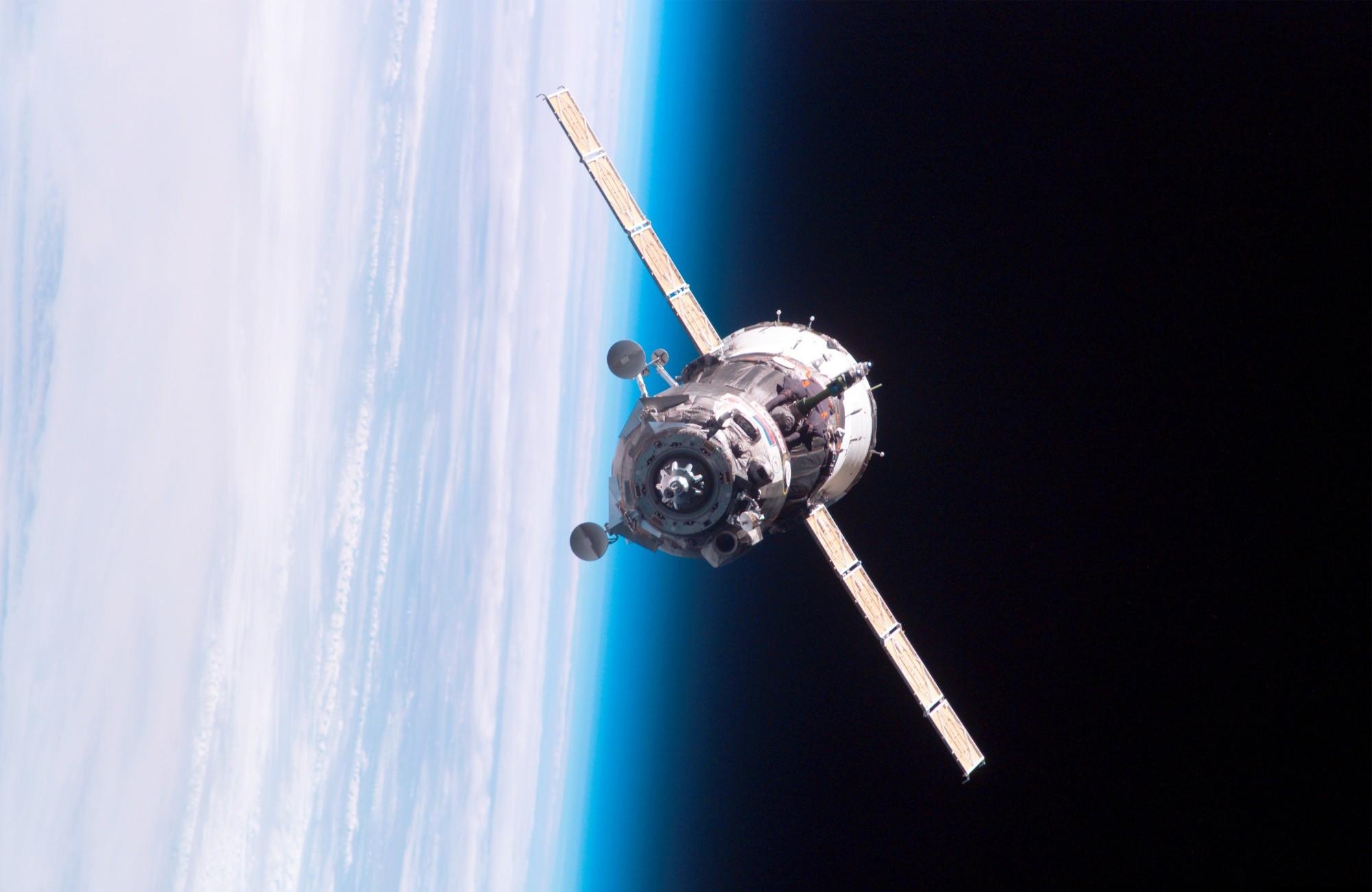
Join Our Newsletter
Stay updated with the latest astronomical discoveries, space mission updates, and community events from HORIZONS. It is an honor to have you join our journey through the stars.