Kepler
- Orbits -
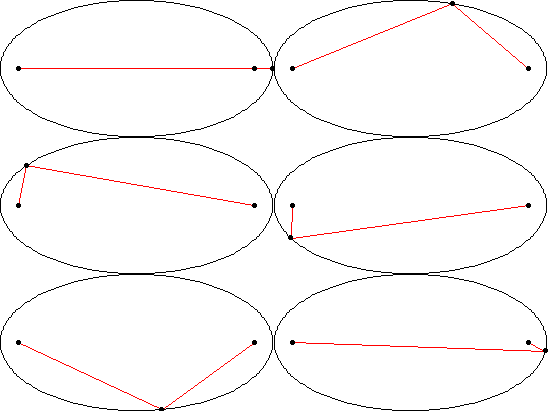
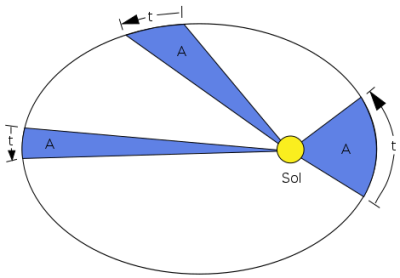
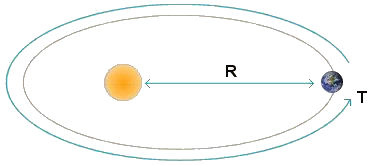
ORBITAL MECHANICS / KEPLERIAN PHYSICS
THE THREE LAWS
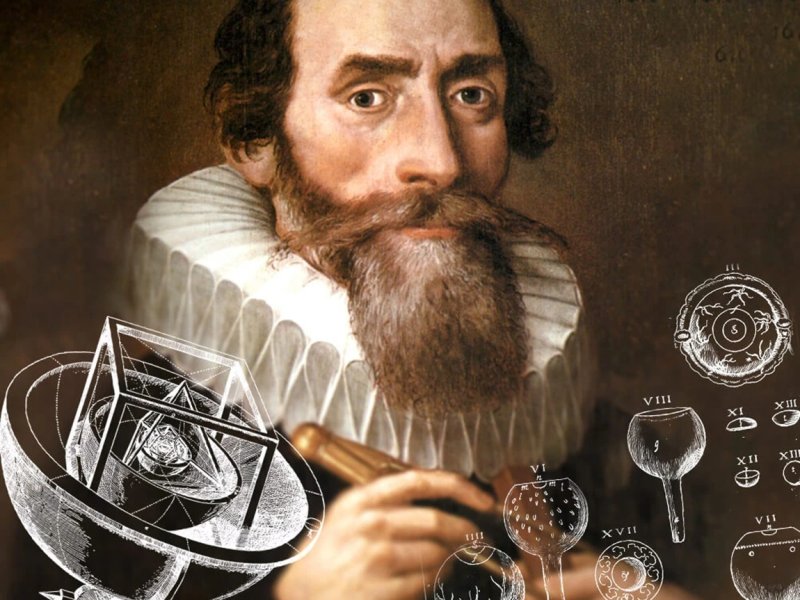
Johannes Kepler formulated these three laws in the early 17th century based on Tycho Brahe’s precise observational data. They describe the kinematics of planetary bodies: their shape, their speed, and their orbital period.
APPLICATION / SPACE NAVIGATION
THE NAVIGATION FOUNDATION
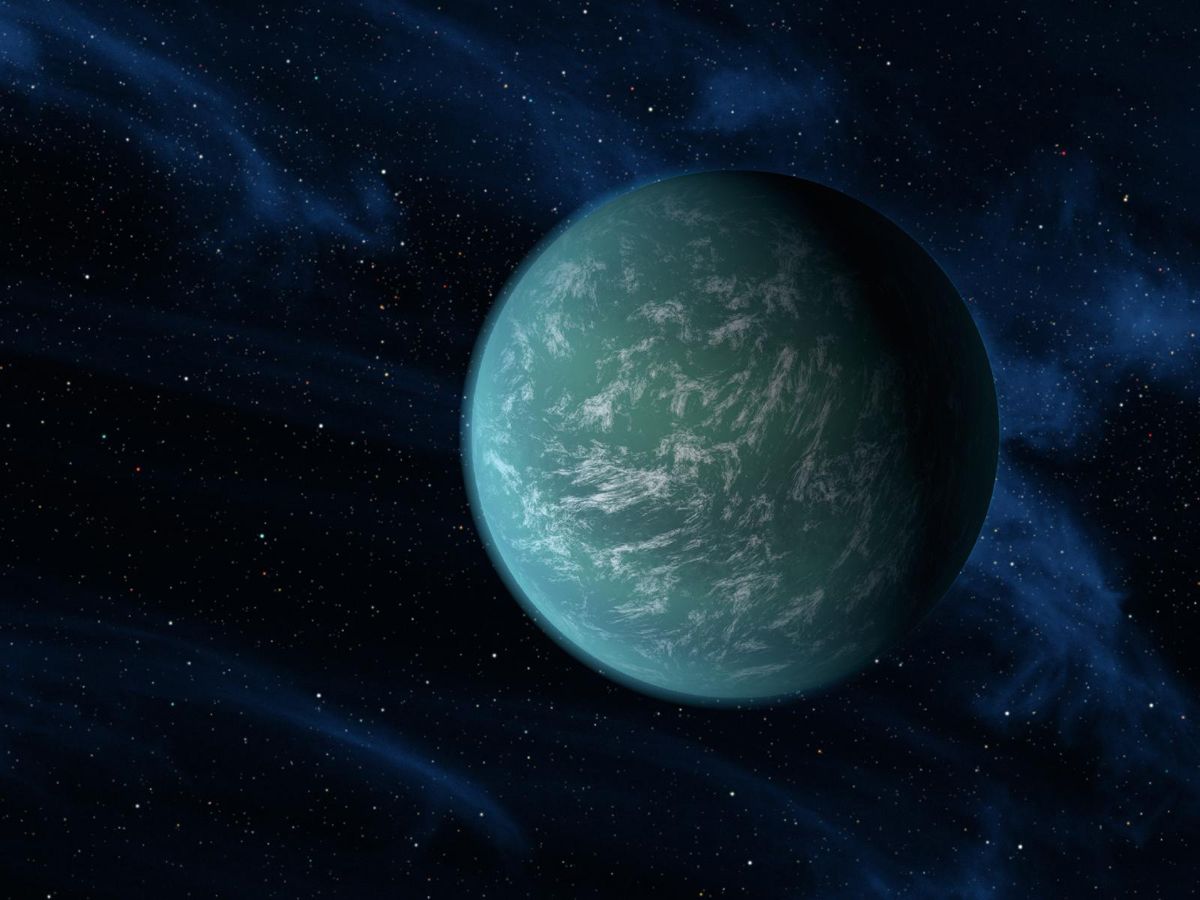
Kepler’s laws are not just historical curiosities; they are the mathematical tools used by flight dynamics engineers every single day. When a spacecraft is launched, its trajectory is calculated using the elliptical paths predicted by these laws. If we didn't understand the relationship between distance and speed (the 2nd law) or the timing of orbits (the 3rd law), we would have no way to "intercept" a planet or maintain a stable orbit for a communications satellite.
APPLICATION / SPACE NAVIGATION
THE NAVIGATION FOUNDATION
Kepler’s laws are the mathematical tools used by flight dynamics engineers every single day. When a spacecraft is launched, its trajectory is calculated using the elliptical paths predicted by these laws. If we didn't understand the relationship between distance and speed, we would have no way to reach a planet or maintain a stable orbit for a communications satellite.

PHET ORBITALS
Run dynamic gravitational simulations to visualize elliptical paths, changing orbital speeds, and sweep areas.
SIMULATENASA KEPLER DATA
Discover how Kepler's three laws are utilized to locate exoplanets and plot modern deep-space trajectories.
EXPLOREBRITANNICA ORBITS
In-depth historical overview of Johannes Kepler's planetary motion discoveries using Tycho Brahe's data.
HISTORYHYPERPHYSICS ASTRO
Mathematical calculations, variable charts, and conceptual networks breaking down the harmonic law equation.
ANALYZEJoin Our Newsletter
Stay updated with the latest astronomical discoveries, space mission updates, and community events from HORIZONS. It is an honor to have you join our journey through the stars.