HOME
NEPTUNE
ABOUT
CONTACT

NEPTUNE / ATMOSPHERIC DYNAMICS

WIND SHEAR: VELOCITY GRADIENTS

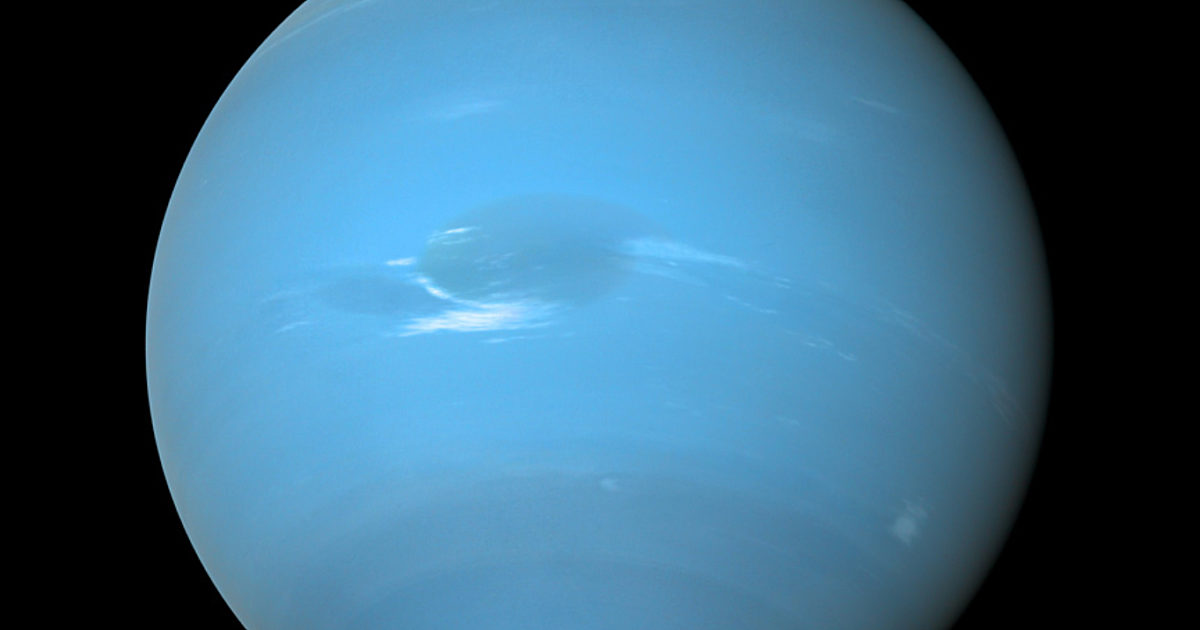
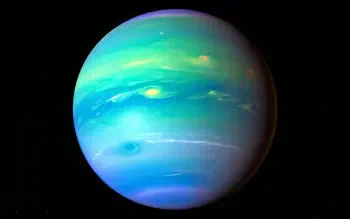
Neptune’s atmosphere is defined by intense wind shear—sharp transitions in velocity between adjacent atmospheric layers. As wind speeds change dramatically over short vertical or horizontal distances, these sheer forces exert mechanical stress on cloud formations. This process acts like a celestial knife, shredding large, coherent cloud decks into the fine, elongated filaments and fragmented features frequently captured by high-resolution imaging.

Primary Driver Differential Velocity Gradients
Mechanical Action Atmospheric Shear Stress
Visual Result Cloud Feature Fragmentation
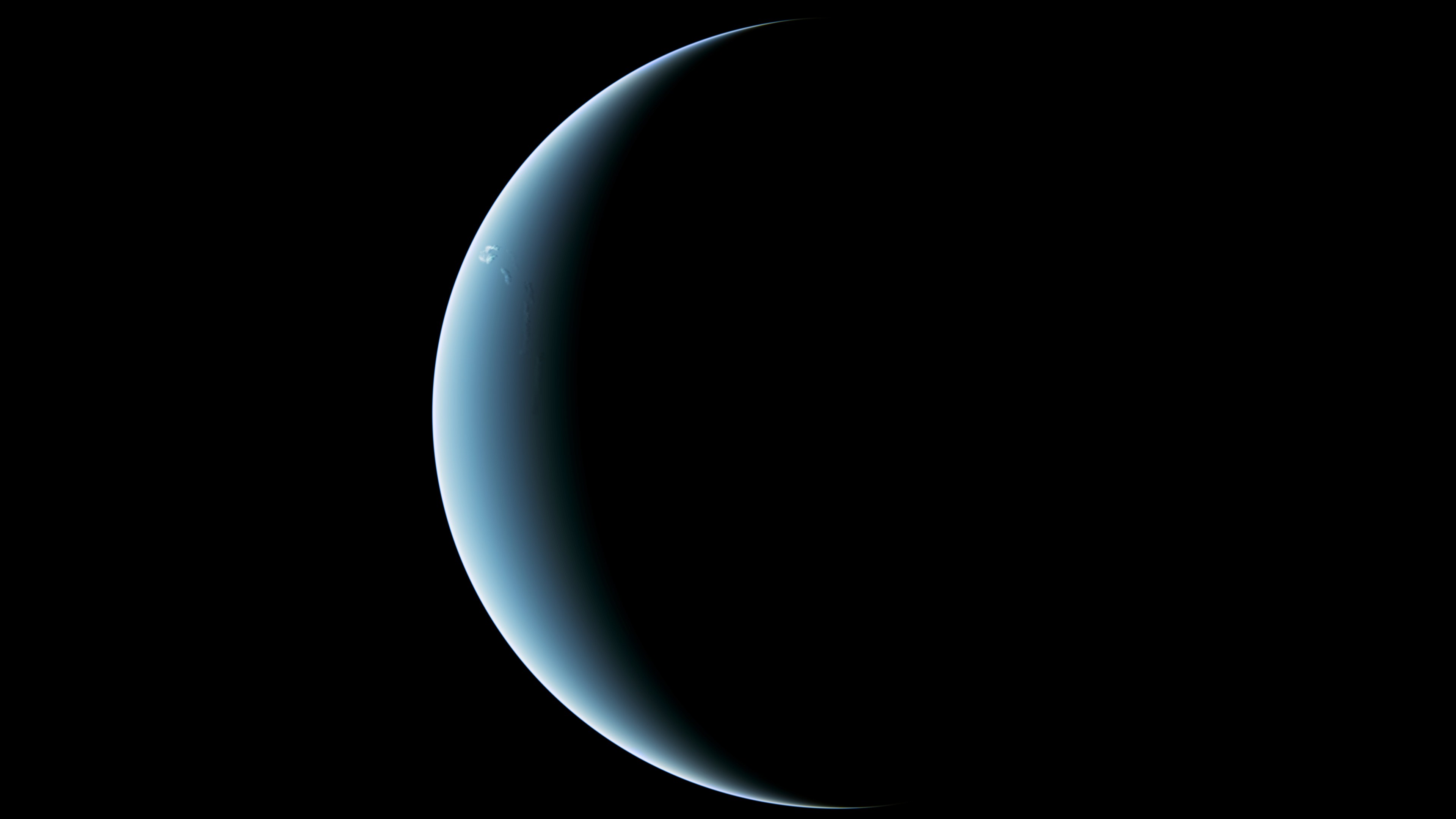
Wind Shear Dynamics

NEPTUNE / FLUID DYNAMICS

KELVIN-HELMHOLTZ: WAVE INSTABILITY

Where wind shear is strongest, Neptune’s atmosphere undergoes Kelvin-Helmholtz instability. This occurs at the boundary between two fluid layers with significantly different velocities. The velocity gradient causes the boundary to roll up into complex, vortex-like structures. In the Neptunian troposphere, these instabilities manifest as beautiful, transient wave patterns in the cloud decks, acting as visible signatures of the intense shearing forces occurring beneath the surface.

Mechanism Velocity Shear Instability
Dynamic Action Vortex Roll-up
Visual Feature Wave-Like Cloud Morphologies
Kelvin-Helmholtz Instability

NEPTUNE / ATMOSPHERIC TURBULENCE

TURBULENT EDDY: ENERGY DISSIPATION

When wind shear forces create instability, the resulting energy does not simply vanish. It follows an energy cascade, where large-scale flow instabilities break down into progressively smaller, chaotic turbulent eddies. These eddies act as the primary energy sink, eventually dissipating their kinetic energy as heat through molecular friction. This turbulent cascade is fundamental to Neptune's atmospheric cooling and prevents the uncontrolled acceleration of its supersonic wind systems.

Energy Cascade Large → Small Scale Flow
Dissipation Sink Kinetic to Thermal Conversion
Atmospheric Role System Velocity Regulation
Turbulent Eddy Dissipation

NEPTUNE / PLANETARY DYNAMICS

ROSSBY WAVES: STORM ORGANIZATION

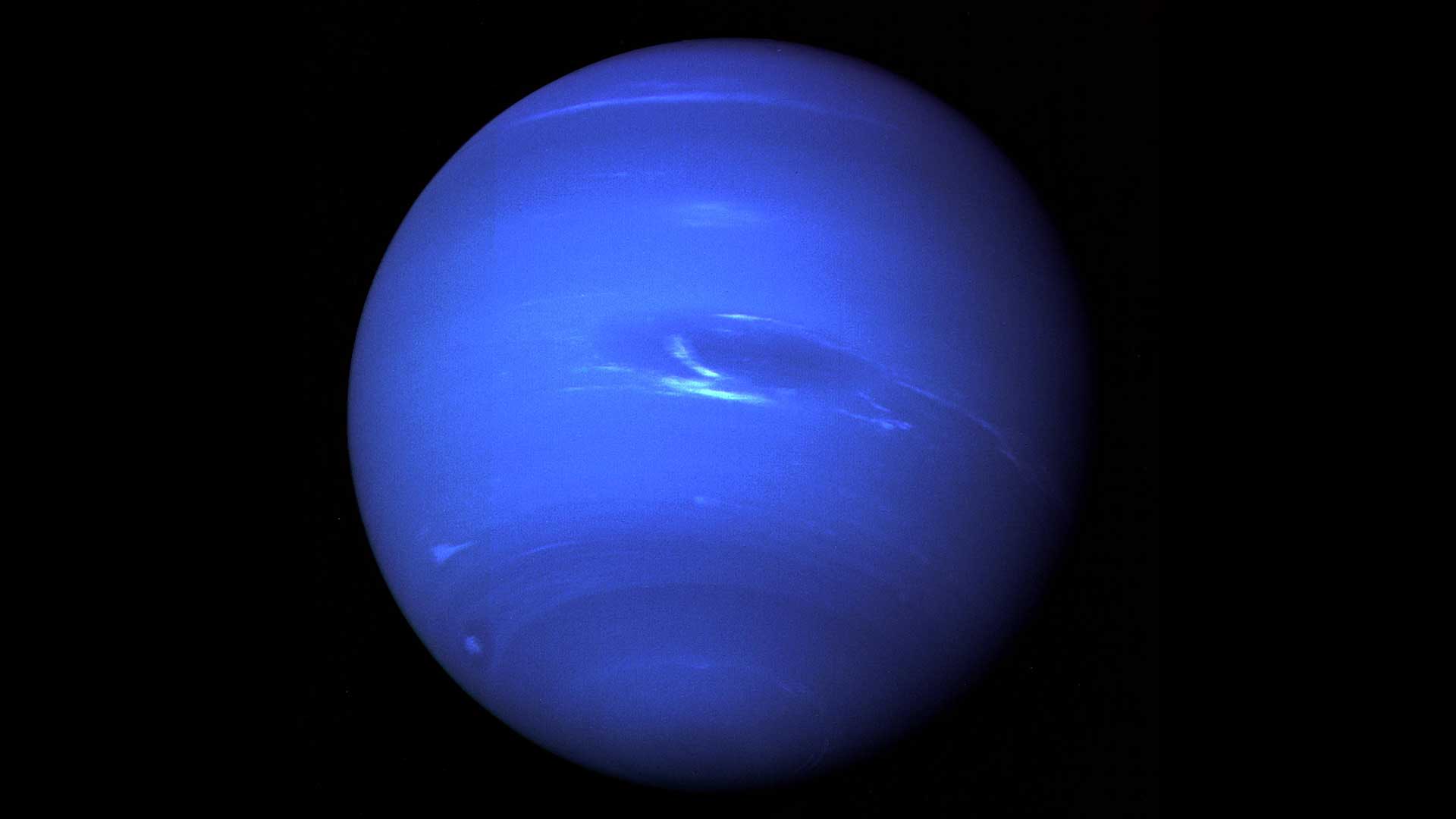
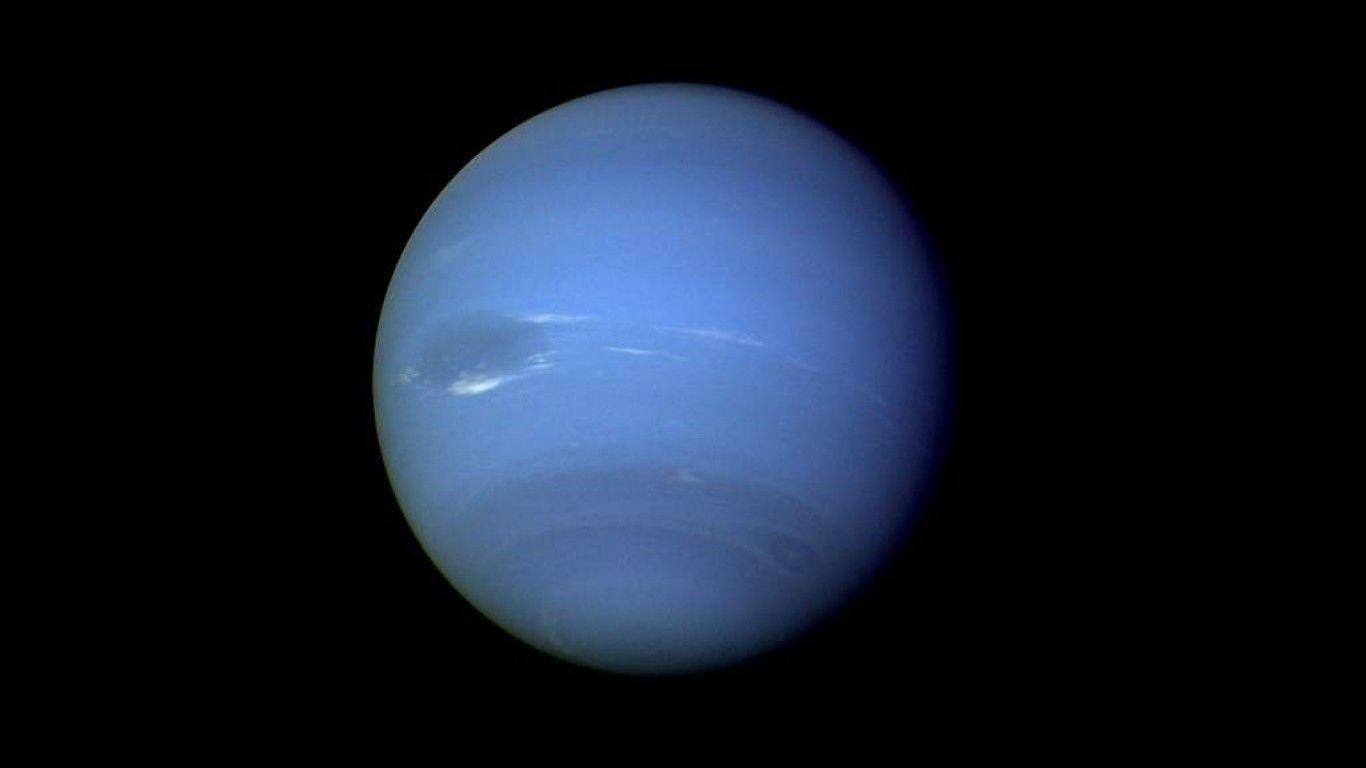
Rossby waves are vast, planetary-scale oscillations driven by the Coriolis effect on a rotating sphere. On Neptune, these waves don't just exist alongside wind shear; they interact with it to counteract chaotic fragmentation. By organizing localized turbulence into cohesive, high-pressure anti-cyclonic systems, Rossby waves allow massive structures—like the Great Dark Spot—to persist for years despite the relentless shredding forces of the surrounding zonal winds.

Scale Planetary-Scale Oscillations
Stabilization Shear-Induced Cohesion
Storm Persistence Anti-cyclonic System Support
Rossby Wave Interaction

NEPTUNE / ATMOSPHERIC PROFILING

VERTICAL SHEAR: ATMOSPHERIC STRATIFICATION

While horizontal shear is visually prominent, vertical wind shear is the architect of Neptune's deep atmospheric structure. As atmospheric pressure increases with depth, wind velocities undergo profound changes. This vertical stratification creates "layers" of differing wind speeds. Where these vertical gradients are steepest, they inhibit convective overturning, effectively trapping gases and aerosols within specific altitude bands and defining the distinct, banded appearance of the planet's cloud decks.

Shear Orientation Vertical Velocity Gradient
Structural Impact Atmospheric Layering
Convective Effect Convection Suppression
Vertical Wind Shear Profiling

NEPTUNE / ZONAL DYNAMICS

MOMENTUM EXCHANGE: JET STREAM MAINTENANCE

Neptune’s supersonic zonal jets are not just atmospheric flows; they are self-sustaining engines maintained by momentum exchange. Through the continuous interaction of small-scale eddies and large-scale wind shear, momentum is transported from turbulent zones into the coherent jet streams. This process feeds kinetic energy into the primary flows, overcoming surface friction and maintaining the planet's intense, retrograde and prograde winds for centuries.

Primary Driver Eddy-Mean Flow Interaction
Mechanism Upward Momentum Flux
System Effect Supersonic Zonal Stability
Momentum Exchange in Jet Streams

NEPTUNE / ATMOSPHERIC CHEMISTRY

SHEAR-INDUCED: ATMOSPHERIC MIXING

Beyond kinetic energy, wind shear is a powerful catalyst for chemical and thermal homogenization. By creating intense turbulence at the interface of distinct atmospheric layers, shear forces force the "mixing" of gases that would otherwise remain stratified. This process effectively transports methane and other trace gases upward from deeper reservoirs, replenishing the upper atmosphere and determining the chemical abundance that we observe from Earth-based and orbital spectroscopy.

Mixing Catalyst Turbulent Shear Interface
Transport Action Vertical Chemical Upwelling
System Impact Atmospheric Homogenization
Shear-Induced Mixing

More Deep....

Great Dark Spot

ATMOSPHERE / 2026

GREAT DARK SPOT

Analyzing the transient anticyclonic storm of 1989.

LEARN MORE
Vortex

PHYSICS / 2026

VORTEX MIGRATION

How storm centers shift across planetary latitudes.

READ GUIDE
Methane Clouds

METEOROLOGY / 2026

METHANE ICE CIRRUS

Formation of high-altitude clouds above the GDS.

EXPLORE
Shear

DYNAMICS / 2026

ATMOSPHERIC SHEAR

Understanding the winds that tear storms apart.

READ NOW
Heat

THERMODYNAMICS / 2026

PLANETARY HEAT

Internal energy driving the violent weather.

ANALYZE
Interior

GEOLOGY / 2026

CORE STRUCTURE

The icy mantle and liquid diamond potential.

EXPLORE
Winds

WIND DATA / 2026

SUPERSONIC FLOW

Tracing the fastest winds in the solar system.

VIEW DATA
Rings

ORBITAL / 2026

RING SYSTEMS

Stability and dust arcs of the Neptune rings.

STUDY LAB
Voyager

HISTORY / 2026

VOYAGER LEGACY

Revisiting the 1989 flyby discoveries.

READ LOGS
Future

MISSIONS / 2026

FUTURE PROBES

Proposed missions to orbit the ice giant.

TRACK NOW
Spectroscopy

ATMOSPHERE / 2026

SPECTRAL HUE

Methane absorbs red light, giving Neptune its distinct blue appearance.

DATA SHEET
Condensation

PHYSICS / 2026

CONDENSATION

High-altitude methane condenses in the cold troposphere into ice crystals.

ANALYSIS
Wind Shear

DYNAMICS / 2026

WIND SHEAR

Extreme wind speeds fragment methane clouds into long, streaky features.

SIMULATION


Try Tools!

NEW
Heat Radiator

Internal Heat Radiator

NEW
Geyser Height

Triton Geyser Height

NEW
Gravity

Cloud Top Gravity

NEW
Density

Density Comparison

NEW
Scooter Cloud

"Scooter" Cloud

NEW
Cloud Speed

Atmospheric Velocity

NOT
Solar Horizons

Solar Distance Flux

NEW
Escape Velocity

Escape Velocity

Written By

Author

Senior Astronomy Consultant

Binul Nethaka

Give The Best Information Free, Fast, Easy and Clear experience for worldwide Information hungers!

Join Our Newsletter

Stay updated with the latest astronomical discoveries, space mission updates, and community events from HORIZONS. It is an honor to have you join our journey through the stars.

Clicking subscribe will open your default email app with a pre-written request to join Horizons.