HOME
NEPTUNE
ABOUT
CONTACT

NEPTUNE / ATMOSPHERIC METEOROLOGY

CONDENSATION: METHANE CYCLE

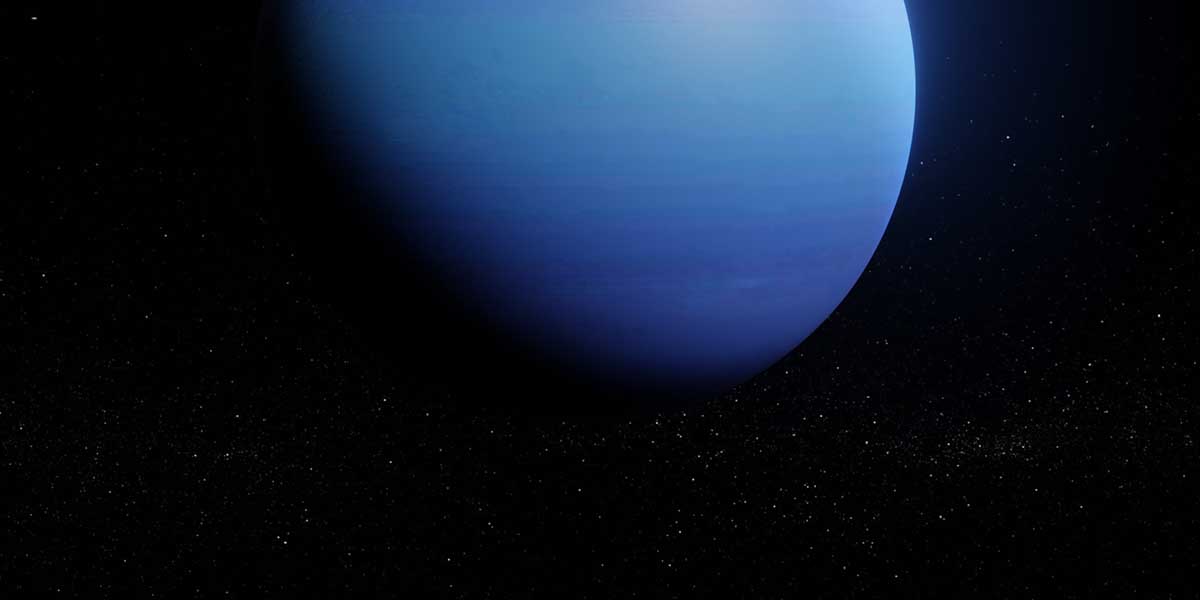
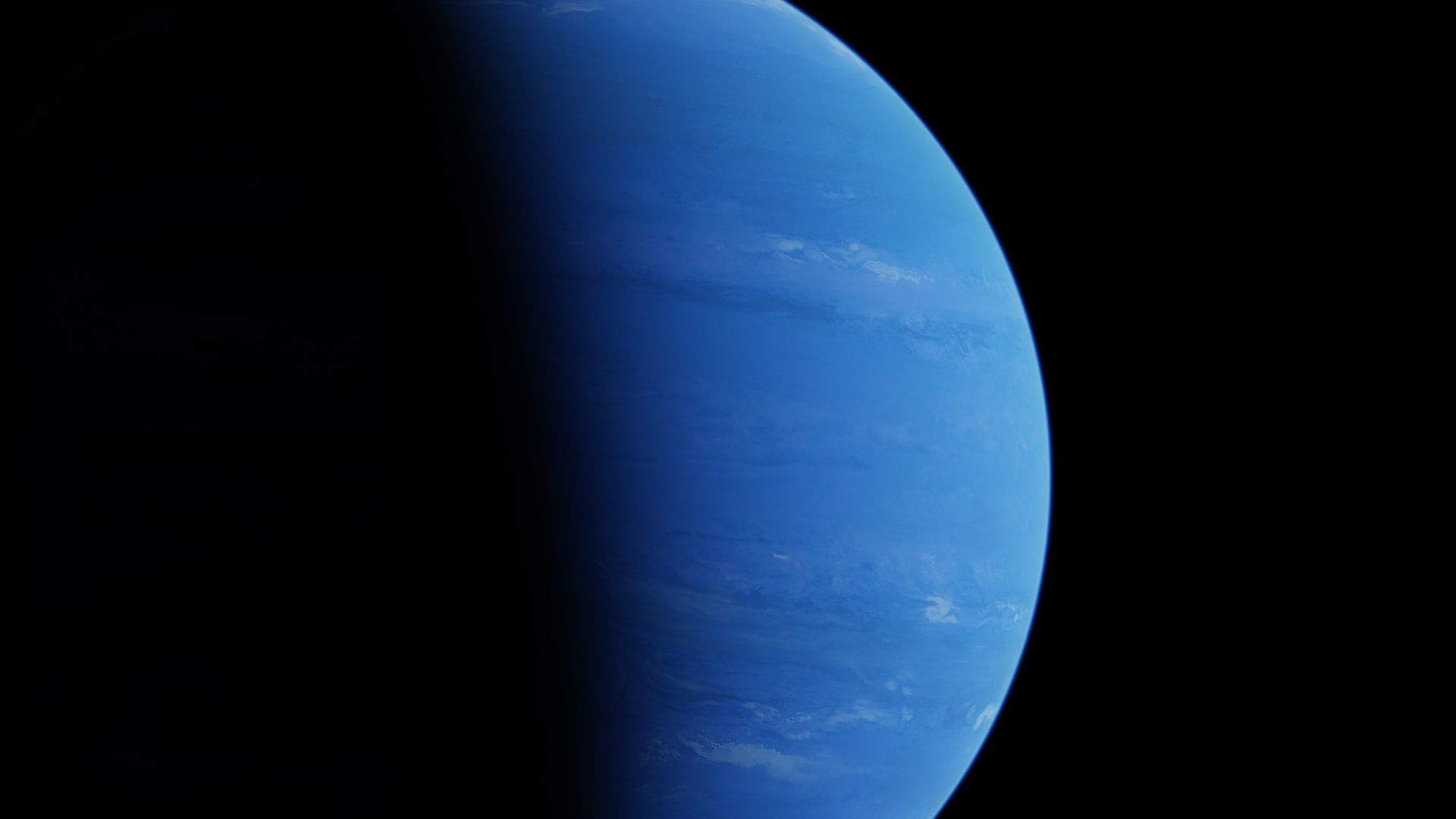
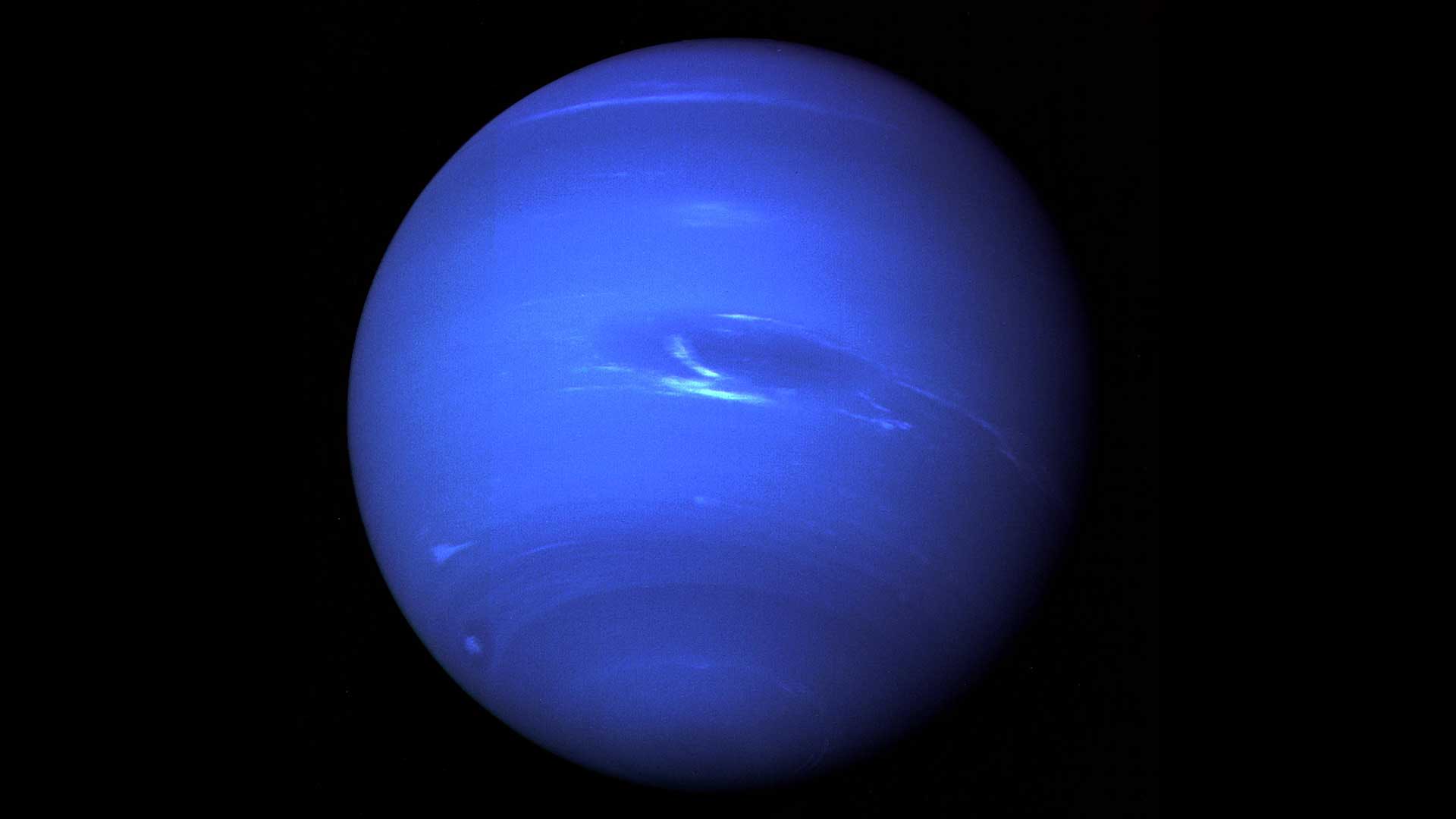
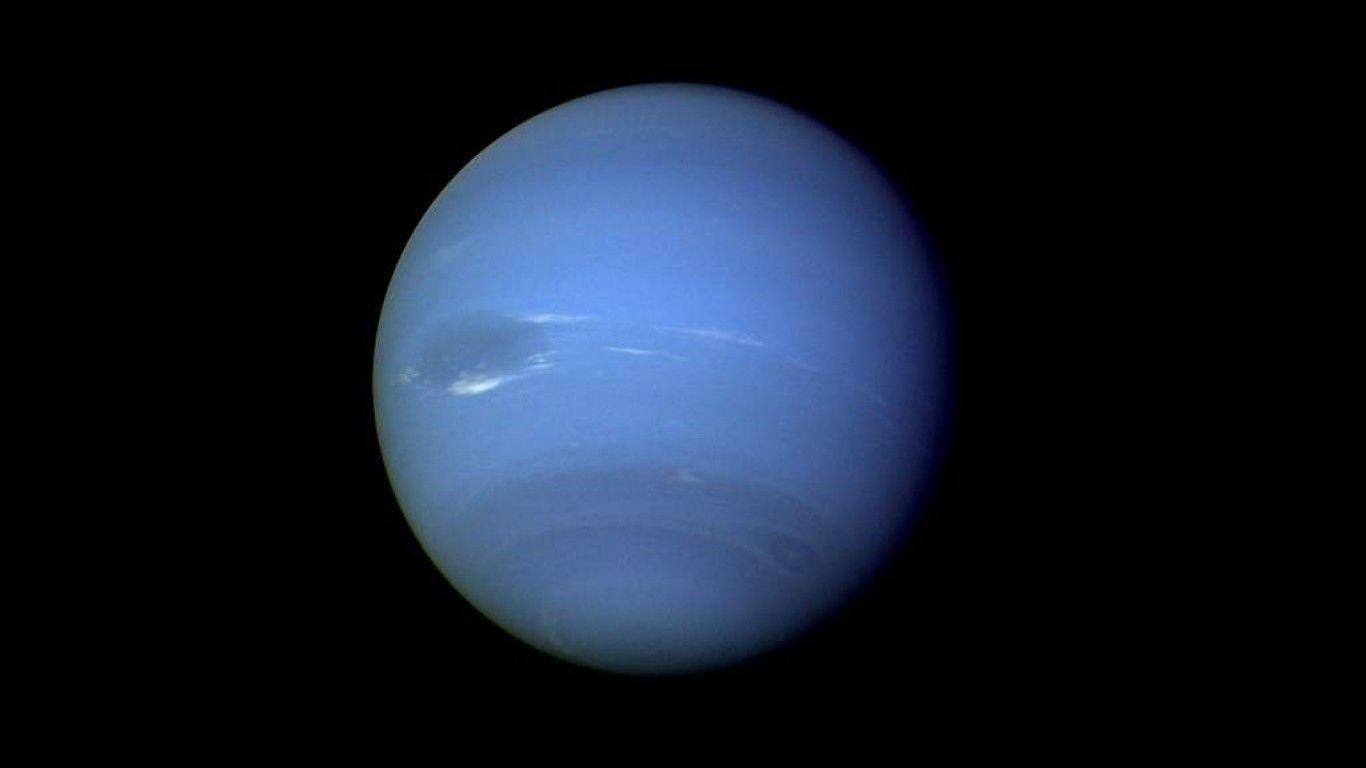
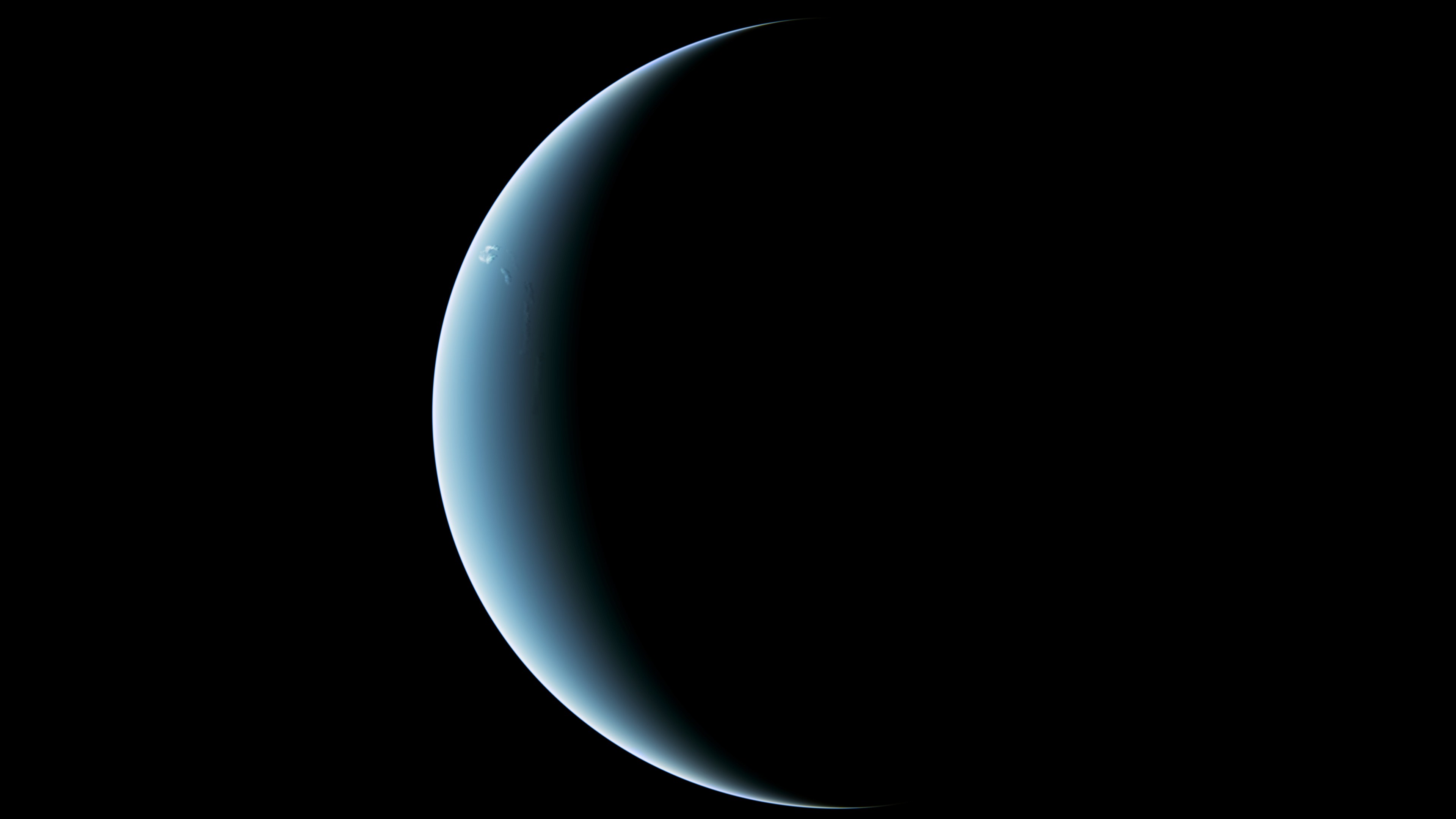
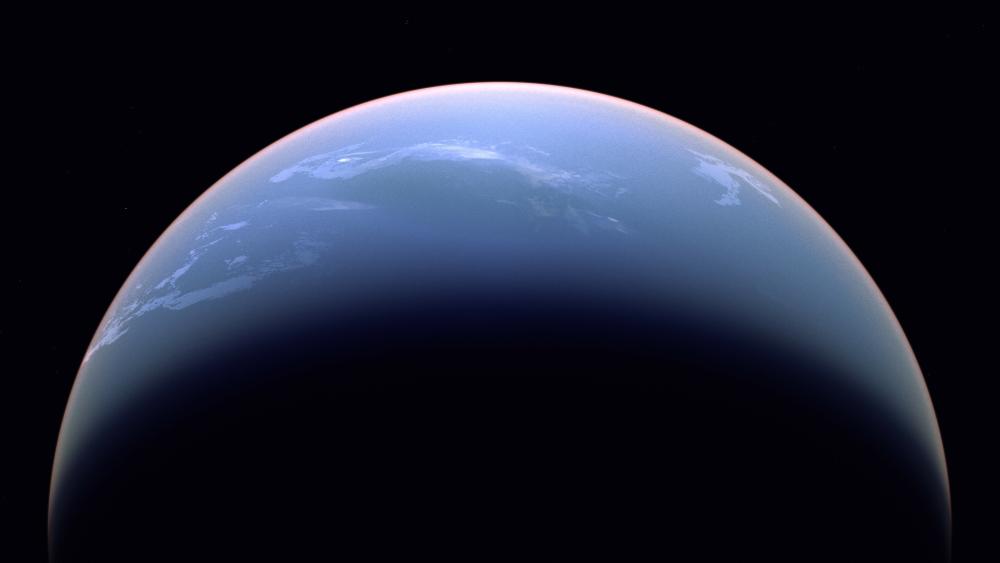
In the profound cold of Neptune's upper troposphere, the temperature drops low enough for methane gas to undergo a phase transition. This high-altitude condensation process forms brilliant, reflective methane-ice crystals. These suspended particles are what we visually identify as the bright, transient clouds—including the famous "Scooter"—that roam across the planet’s azure atmosphere.

Phase Transition Vapor to Ice Crystal
Atmospheric Zone Upper Troposphere
Visual Result Luminous Cloud Formation
Methane Condensation

NEPTUNE / ATMOSPHERIC DYNAMICS

VERTICAL TRANSPORT: CONVECTIVE UPWELLING

Methane does not simply appear in the upper troposphere; it is driven upward by massive convective currents. As warm, methane-rich air rises from the planet's interior, it expands and cools adiabatically. Upon reaching the critical altitude where the surrounding temperature drops below the methane freezing point, the gas undergoes rapid condensation. This upwelling process acts as the "pump" for the entire cycle, feeding the cloud decks that shape Neptune's visual identity.

Primary Driver Convective Upwelling
Thermal Change Adiabatic Cooling
System Effect Continuous Cloud Replenishment
Vertical Atmospheric Transport

NEPTUNE / CLOUD METEOROLOGY

CLOUD MORPHOLOGY: OPTICAL DENSITY

The morphology, or physical structure, of Neptune’s cloud decks is determined by the density and size of the methane-ice crystals formed during condensation. High-density crystal regions produce bright, opaque features that reflect sunlight efficiently, while lower-density regions appear as wispy, semi-transparent veils. By analyzing the optical depth of these formations, we can determine the local methane abundance and the intensity of the underlying atmospheric turbulence.

Crystal Density Optical Depth Variance
Light Interaction Albedo-Driven Reflectance
Structural State Opaque to Wispy Formations
Cloud Morphology

NEPTUNE / CLIMATOLOGY

SEASONAL VARIABILITY: ORBITAL SHIFTS

Neptune's extreme orbital distance results in seasons lasting over 40 years. As the planet moves through its cycle, shifting solar irradiance alters the thermal profile of the upper troposphere. This fluctuation directly dictates the altitude at which methane reaches its saturation point, causing the condensation zones to rise or fall globally. These long-term changes create distinct seasonal patterns in cloud coverage, observable as periodic surges in atmospheric activity.

Orbital Year 165 Earth Years
Driver Periodic Solar Irradiance
Dynamic Response Global Condensation Shifts
Neptune Seasonal Cycle

NEPTUNE / ATMOSPHERIC THERMODYNAMICS

RADIATIVE FEEDBACK: THERMAL CYCLES

The formation of methane-ice clouds does more than just change the appearance of Neptune; it alters the planet's radiative balance. These cloud decks reflect incoming solar radiation while trapping infrared heat from the planet's interior. This creates a feedback loop where the local warming or cooling effect of the clouds influences future condensation rates, effectively self-regulating the height and density of the atmospheric cloud layers over time.

Feedback Loop Radiative Self-Regulation
Heat Interaction Solar Reflectance vs. IR Trapping
System Equilibrium Dynamic Cloud Stability
Radiative Feedback

NEPTUNE / THERMODYNAMICS

LATENT HEAT: STORM ENGINE

Condensation is not just a visual phenomenon; it is a massive energy release. As methane transitions from a vapor to an ice crystal, it releases latent heat into the surrounding atmosphere. This localized warming creates buoyancy, intensifying the upward convective currents. On Neptune, this release of latent energy acts as a chemical "fuel" for the planet's most extreme weather events, further accelerating the winds and perpetuating the life cycle of transient storm features.

Phase Change Vapor → Solid Release
Energy Result Buoyancy Acceleration
System Impact Storm Intensity Scaling
Latent Heat Atmospheric Release

NEPTUNE / ATMOSPHERIC MICROPHYSICS

MICROPHYSICS: CRYSTAL NUCLEATION

Condensation on Neptune is a highly controlled process starting at the micro-scale. Methane molecules require "cloud condensation nuclei"—tiny aerosol particles or dust—to begin the transition into ice. The rate at which these crystals grow depends on the local saturation level of methane and the availability of these nucleation sites. This microphysical stage is crucial, as it determines the crystal size distribution, which directly influences the cloud's opacity and the planet's overall spectral reflection.

Nucleation Site Aerosol/Dust Particle
Crystal Growth Vapor-to-Solid Deposition
Optical Impact Crystal Size Distribution
Crystal Nucleation

NEPTUNE / ATMOSPHERIC CYCLE

DISSIPATION: SUBLIMATION REVERSAL

The life of a Neptune cloud is transient. As methane-ice crystals drift downward, they eventually enter warmer layers of the troposphere. Here, the solid ice undergoes sublimation, directly transitioning back into methane vapor. This process effectively "dissolves" the cloud deck, returning the material to the gas phase where it can once again be carried upward by convective currents to restart the cycle. This continuous turnover is vital for maintaining the planet's atmospheric chemical balance.

Phase Reversal Solid → Vapor Sublimation
Thermal Boundary Lower Troposphere Warmth
Cycle Status Continuous Atmospheric Turnover
Cloud Dissipation

More Deep....

Great Dark Spot

ATMOSPHERE / 2026

GREAT DARK SPOT

Analyzing the transient anticyclonic storm of 1989.

LEARN MORE
Vortex

PHYSICS / 2026

VORTEX MIGRATION

How storm centers shift across planetary latitudes.

READ GUIDE
Methane Clouds

METEOROLOGY / 2026

METHANE ICE CIRRUS

Formation of high-altitude clouds above the GDS.

EXPLORE
Shear

DYNAMICS / 2026

ATMOSPHERIC SHEAR

Understanding the winds that tear storms apart.

READ NOW
Heat

THERMODYNAMICS / 2026

PLANETARY HEAT

Internal energy driving the violent weather.

ANALYZE
Interior

GEOLOGY / 2026

CORE STRUCTURE

The icy mantle and liquid diamond potential.

EXPLORE
Winds

WIND DATA / 2026

SUPERSONIC FLOW

Tracing the fastest winds in the solar system.

VIEW DATA
Rings

ORBITAL / 2026

RING SYSTEMS

Stability and dust arcs of the Neptune rings.

STUDY LAB
Voyager

HISTORY / 2026

VOYAGER LEGACY

Revisiting the 1989 flyby discoveries.

READ LOGS
Future

MISSIONS / 2026

FUTURE PROBES

Proposed missions to orbit the ice giant.

TRACK NOW
Spectroscopy

ATMOSPHERE / 2026

SPECTRAL HUE

Methane absorbs red light, giving Neptune its distinct blue appearance.

DATA SHEET
Condensation

PHYSICS / 2026

CONDENSATION

High-altitude methane condenses in the cold troposphere into ice crystals.

ANALYSIS
Wind Shear

DYNAMICS / 2026

WIND SHEAR

Extreme wind speeds fragment methane clouds into long, streaky features.

SIMULATION


Try Tools!

NEW
Heat Radiator

Internal Heat Radiator

NEW
Geyser Height

Triton Geyser Height

NEW
Gravity

Cloud Top Gravity

NEW
Density

Density Comparison

NEW
Scooter Cloud

"Scooter" Cloud

NEW
Cloud Speed

Atmospheric Velocity

NOT
Solar Horizons

Solar Distance Flux

NEW
Escape Velocity

Escape Velocity

Written By

Author

Senior Astronomy Consultant

Binul Nethaka

Give The Best Information Free, Fast, Easy and Clear experience for worldwide Information hungers!

Join Our Newsletter

Stay updated with the latest astronomical discoveries, space mission updates, and community events from HORIZONS. It is an honor to have you join our journey through the stars.

Clicking subscribe will open your default email app with a pre-written request to join Horizons.