
Pluto Calender
ORBITAL TIME CONVERTER
EARTH TO PLUTONIAN YEAR ENGINE
Enter Earth Years
INPUT VALUES TO TRANSVERT TEMPORAL COORDINATES
Because Pluto sails so far from the solar core, its orbital path spans an immense track. It requires exactly 247.92 Earth years to complete just one single lap around the Sun.
Since its discovery in 1930, Pluto has not yet completed a single full lap around the Sun.
A single Plutonian year encompasses a staggering number of individual Earth solar cycles.
Year Sync
Time Mapping. Analyzing the T2 . a3 orbital constant. New Horizons monitors the Centennial Buffer to track the generational interface of 134340.
- 🕰️ Scale: 248 Earth-Year Sync.
- 🔄 Orbit: 90,560-Day Revolution Buffer.
- 🛰️ History: Discovery-to-Return Protocol.
Period Sync
Velocity Mapping. New Horizons monitors the Orbital Buffer to track the 248-year interface of 134340.
- 📏 Path: 37 Billion km Orbital Sync.
- 🐌 Speed: 4.7 km/s Low-Velocity Buffer.
- 🔢 Kepler: $T^2 = a^3$ Harmonic Protocol.
ORBITAL DYNAMICS / TIMEKEEPING
THE LONG ORBIT
To understand the scale of time on Pluto, consider that since its discovery in 1930, it has not yet completed a single full orbit around the Sun. It will complete its first "Plutonian year" since discovery in 2178.
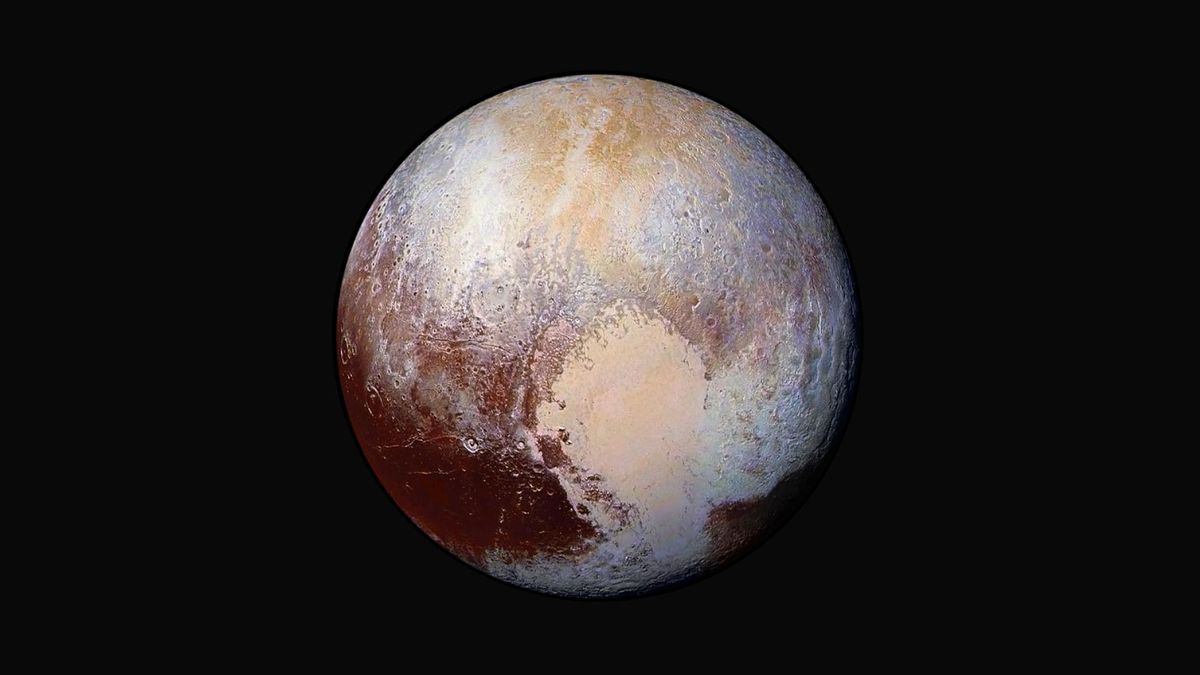
- Horizon -

Pluto
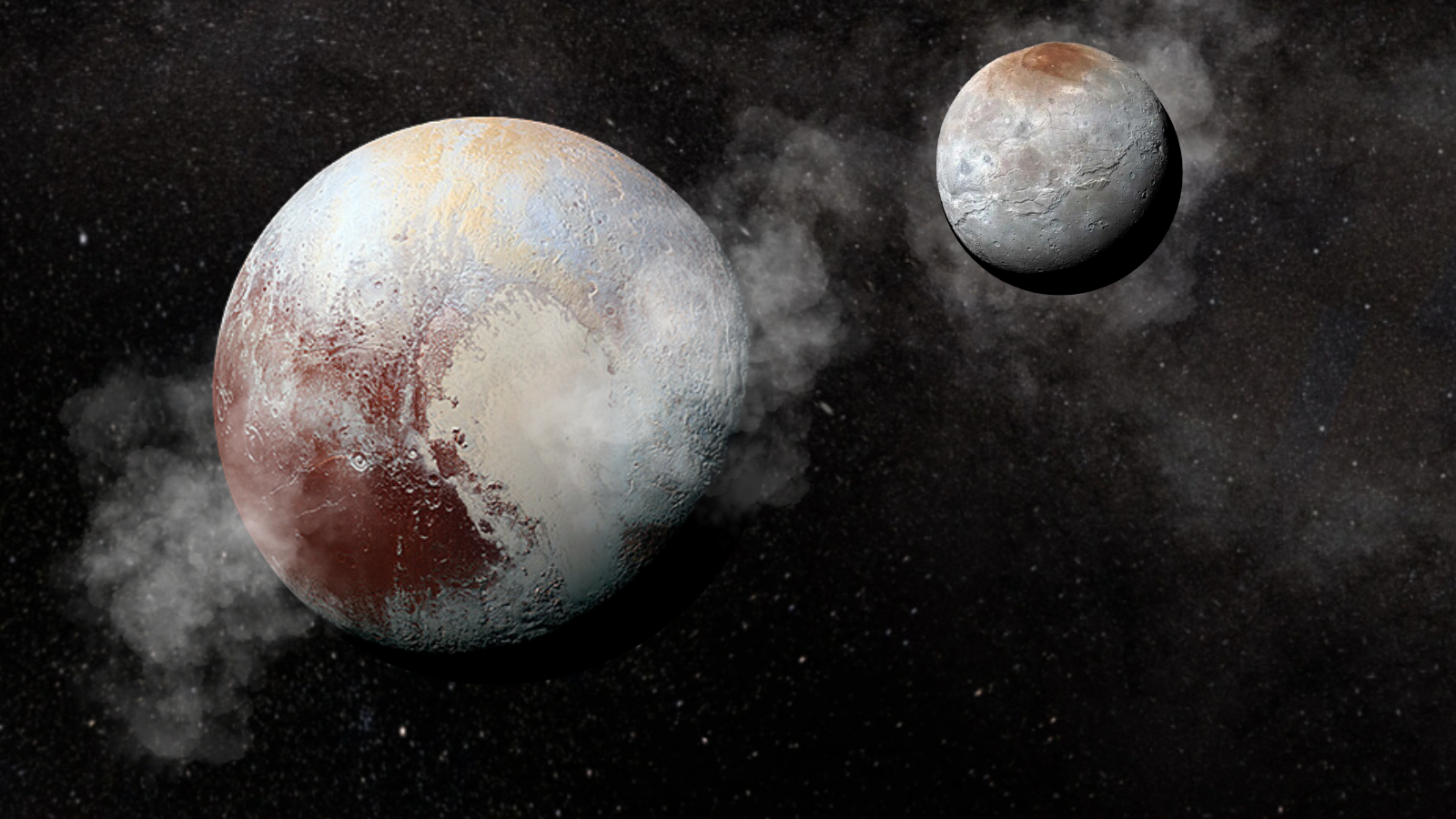
Pluto vs Moon Size
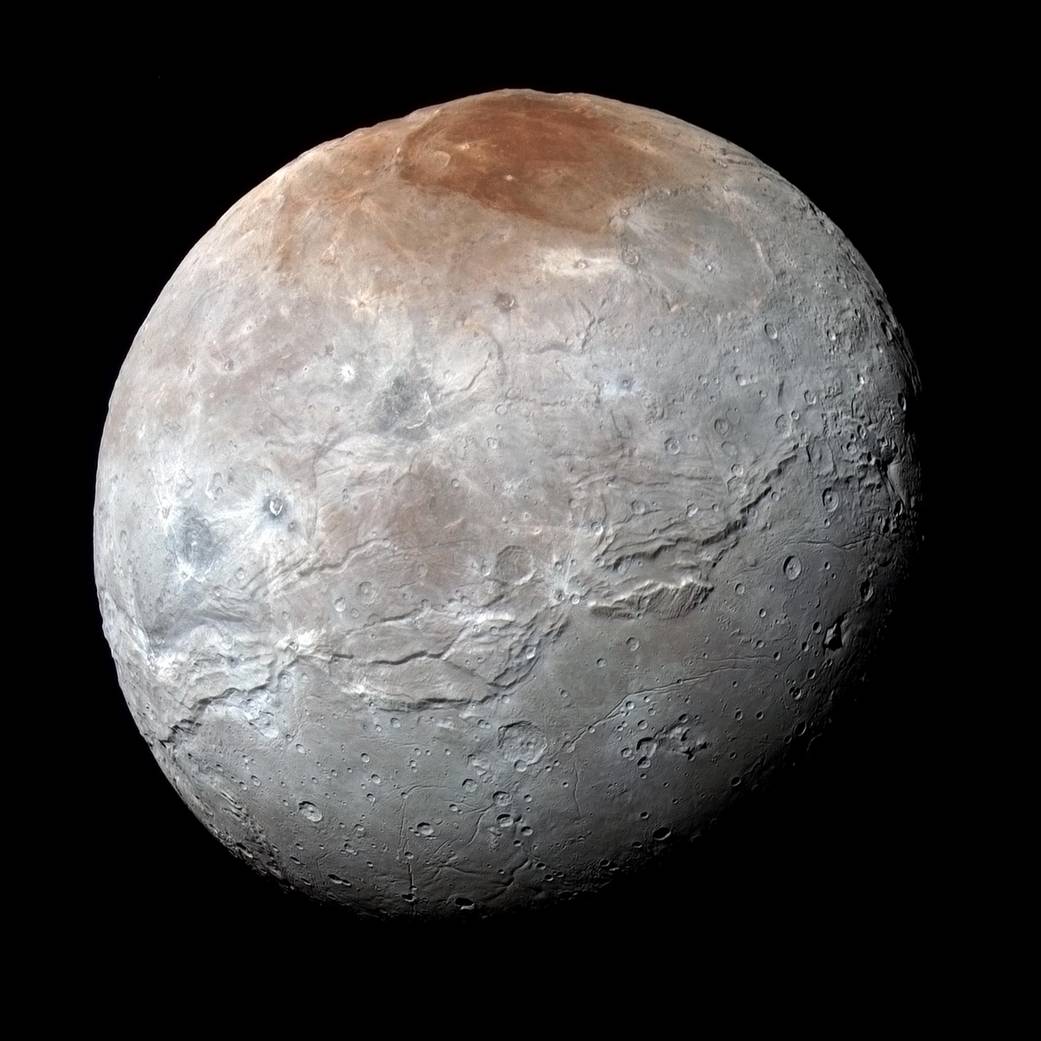
Charon Tidal Lock

Nitrogen Ice Flow

Atmospheric Freeze
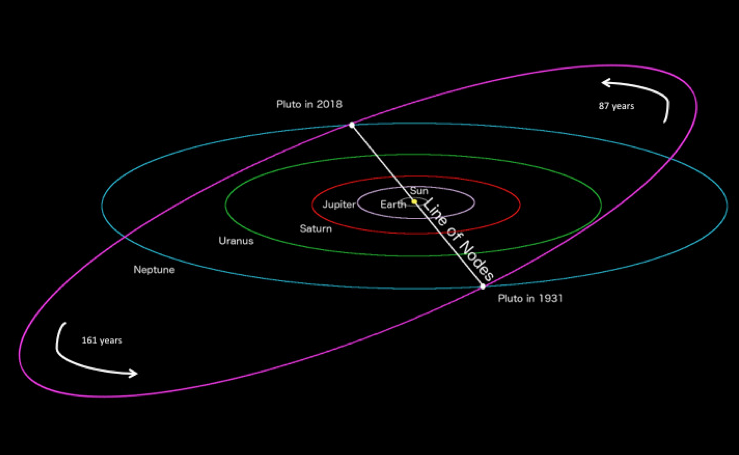
Orbital Overlap (Neptune)

Weight on Pluto

Sun Brightness (Pluto Time)

Pluto Year Converter

Binary System Calc

Life on Pluto?

Signal Delay (Comms)

3D Pluto
Sources
THE RATIO
One Pluto year is approximately **248.09 Earth years**. If you were born on Pluto, your first birthday would take nearly two and a half centuries to arrive.
PERIOD DATADISCOVERY STATS
Since its discovery by Clyde Tombaugh in 1930, Pluto has not yet completed a single full orbit. It will reach its first "post-discovery" anniversary in **Monday, March 23, 2178**.
TIMELINEORBITAL DISTANCE
Pluto travels a much larger circumference at a much slower speed. Its average distance from the Sun is **5.9 billion km** (39.5 AU).
ORBITAL MECHANICS