MERCURY
Welcome To Mercury

What is Mercury

Mercury Weight

Mercury Age

Jump Height

Mercury Distance

Day/Night Temp

Solar Intensity

Sun Visual Size

Double Sunrise

Travel Time

Messenger Simulation

Orbit Insertion

Signal Delay (Comms)

Mercury Precession
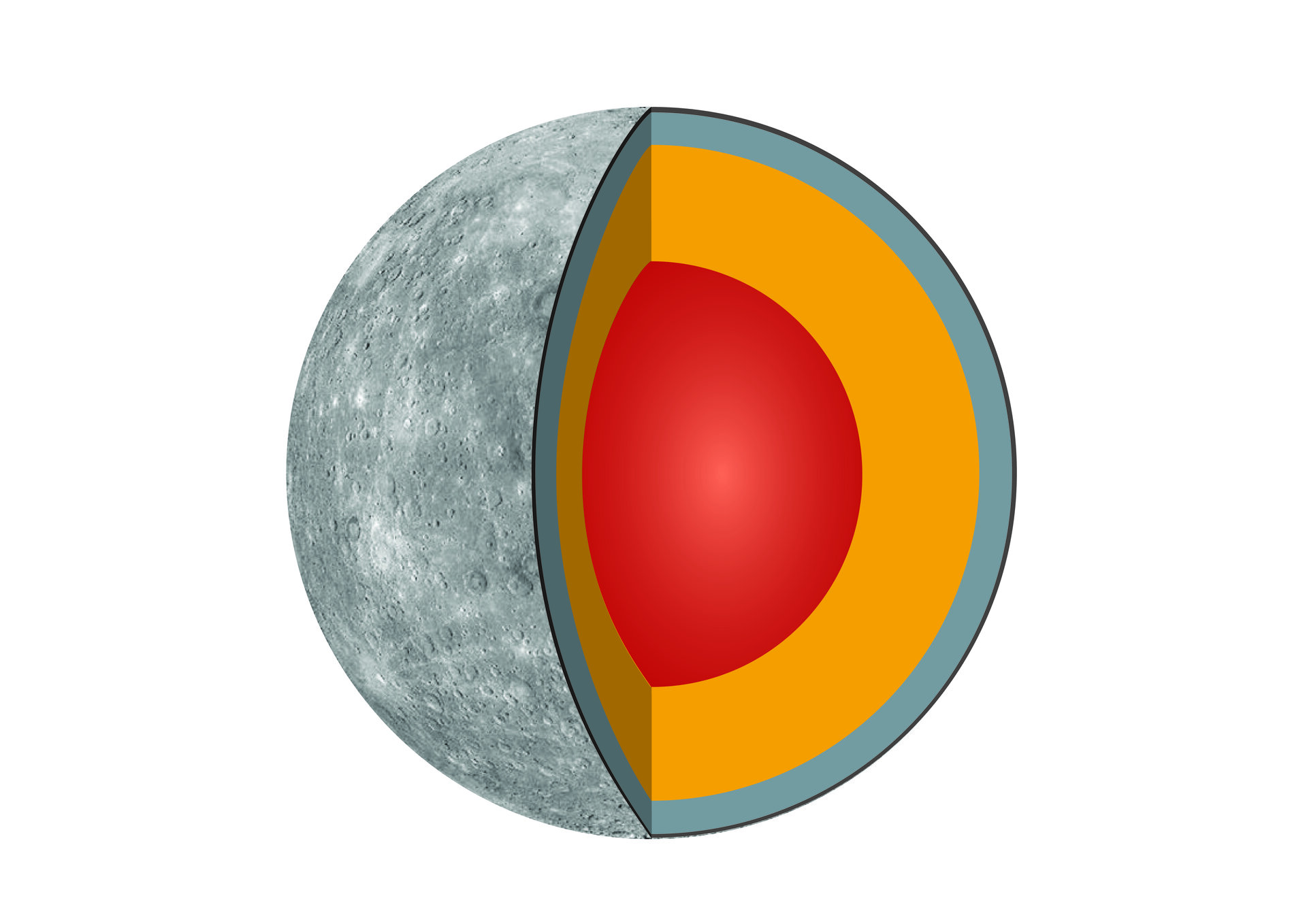
Iron Core Ratio

Gravity Well
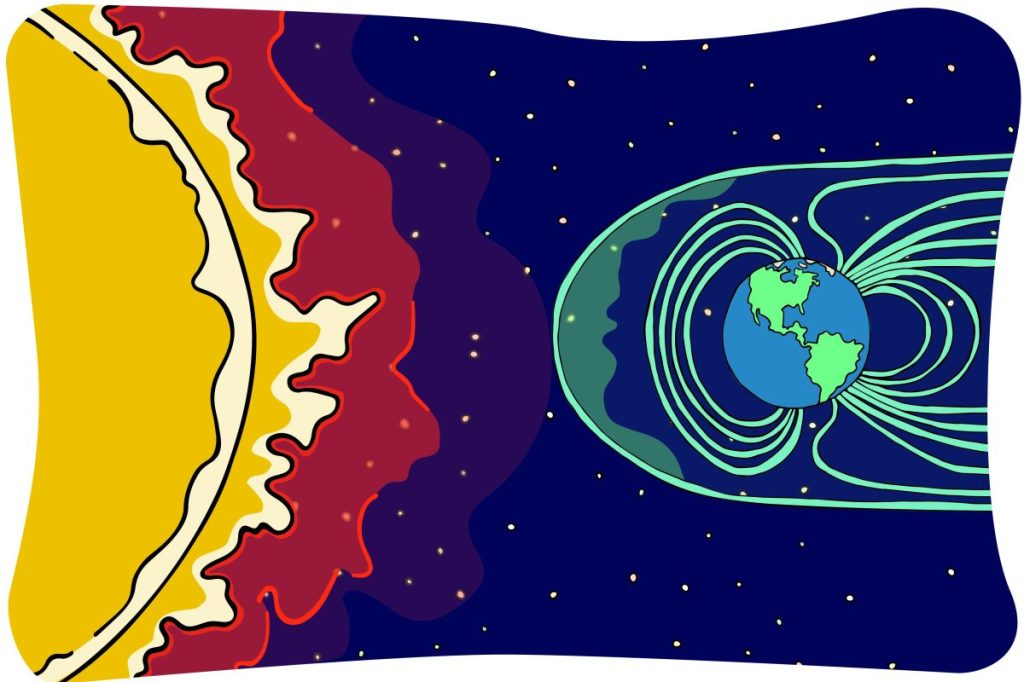
Magnetosphere Shield

Thermal Expansion
Underground Living

Oxygen for Base

Solar Energy Harvest

Mercury Ice Hunter
Solar Radiation

Heavy Machinery
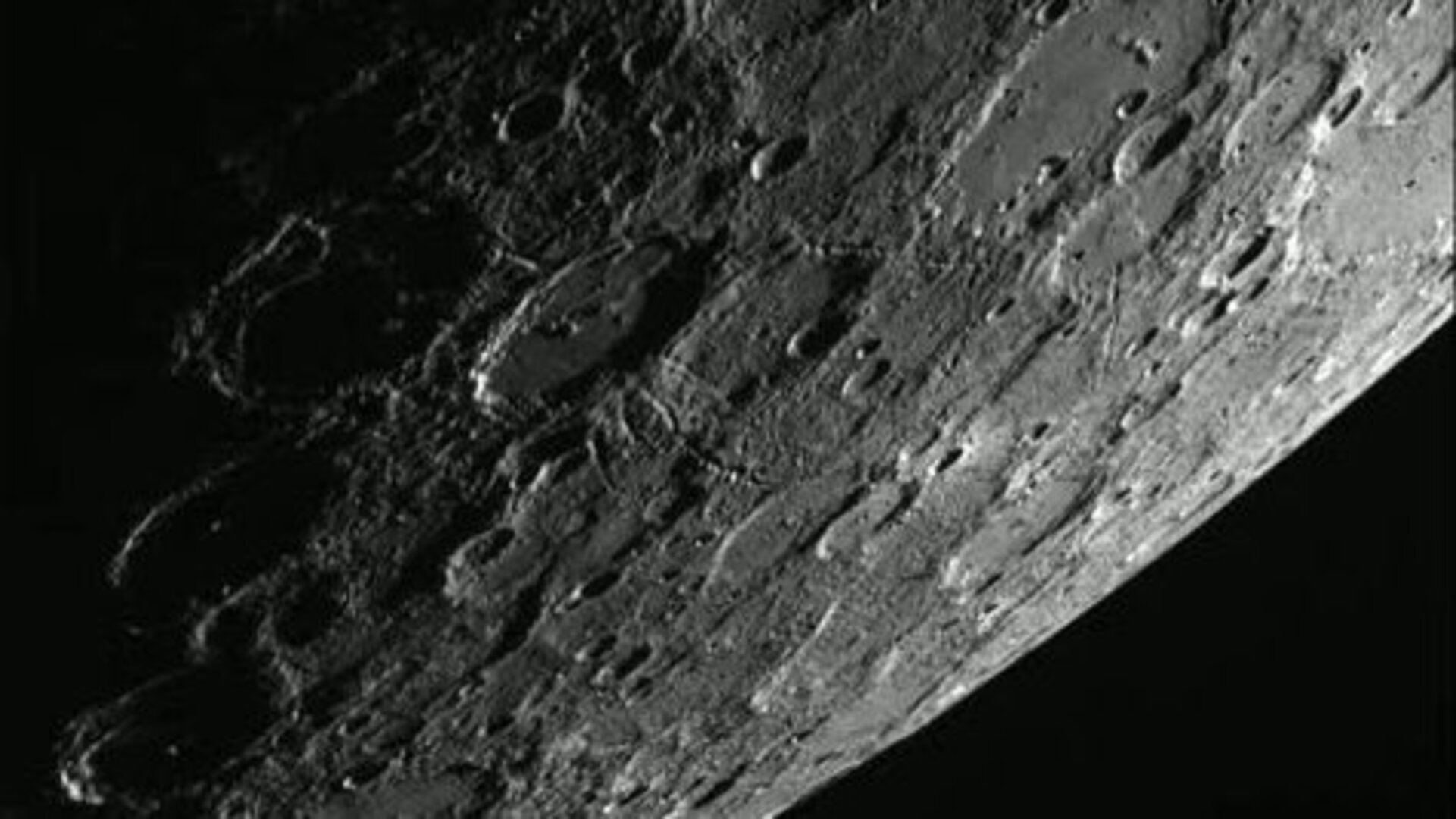
Mercury Mysteries
View 3D Model
FOUNDATIONS / PLANETARY PROFILES
MERCURY: THE SOLAR FRONTIER
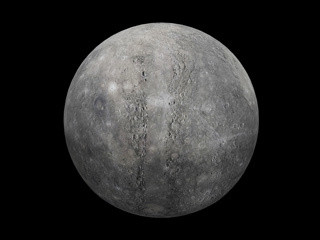
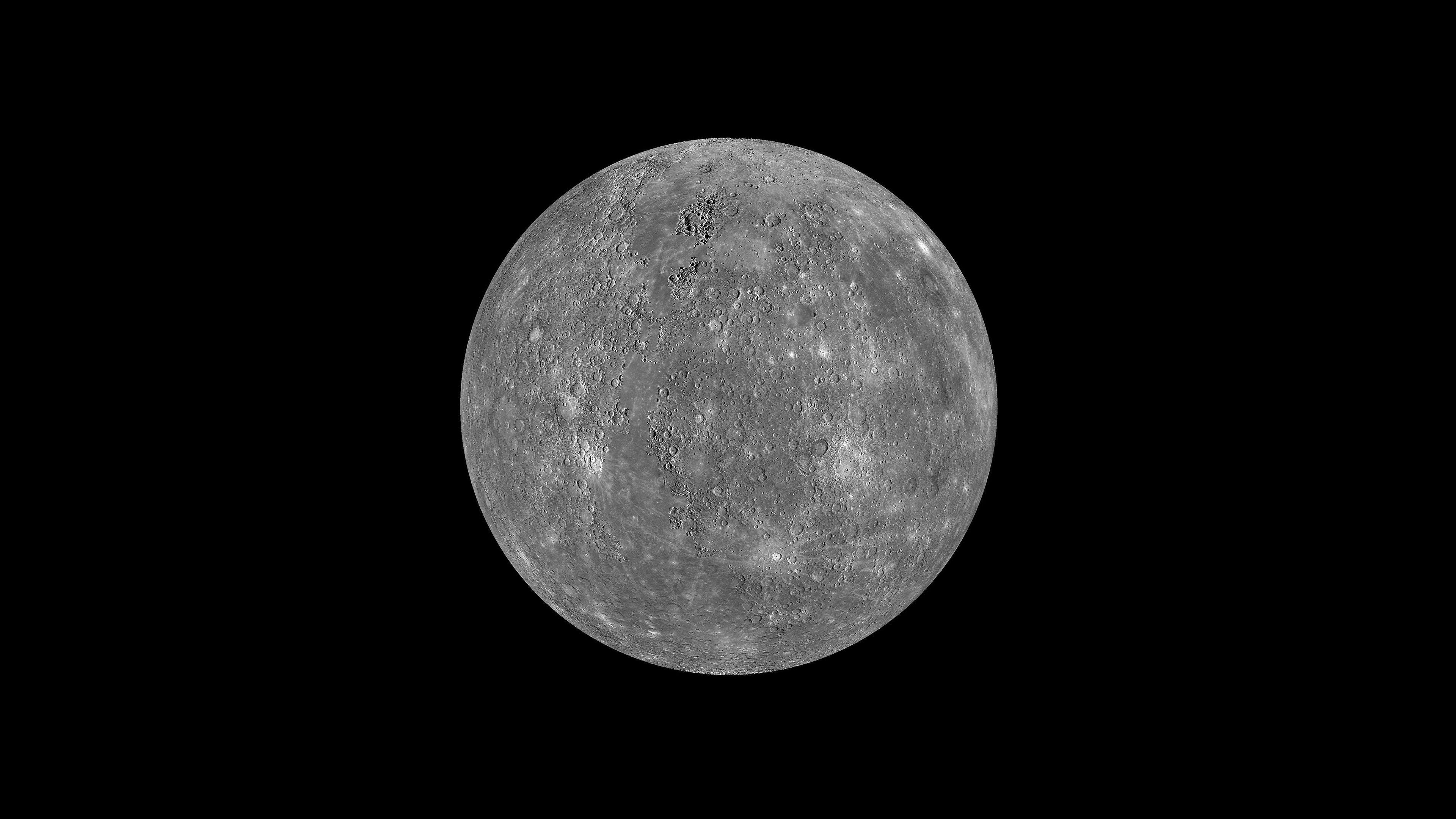
Mercury is the smallest planet in our solar system and the closest to the Sun. It is a cratered, rocky world with virtually no atmosphere, resulting in extreme temperature fluctuations between its day and night sides. For New Horizons, Mercury represents a critical site for "Solar-Proximal Engineering." The study of Mercury provides essential data on how to protect hardware from intense solar radiation and high-temperature environments, as well as testing advanced heat-shielding technology and solar energy harvesting at maximum intensity.
FOUNDATIONS / MISSION-CRITICAL
MERCURY STRATEGIC FOCUS
Operating on Mercury requires mastery of three key pillars: Thermal Shielding, Solar Energy Harvesting, and Orbital Stability. Because of its proximity to the Sun, thermal management is the primary bottleneck for all hardware. Simultaneously, the abundance of direct solar irradiance makes it a premier location for large-scale energy production. Finally, the planet's unique orbital mechanics and rotation provide a complex but high-reward gravity assist environment for deeper solar system transit.
FOUNDATIONS / STRATEGIC RESEARCH
IMPORTANCE OF STUDYING MERCURY
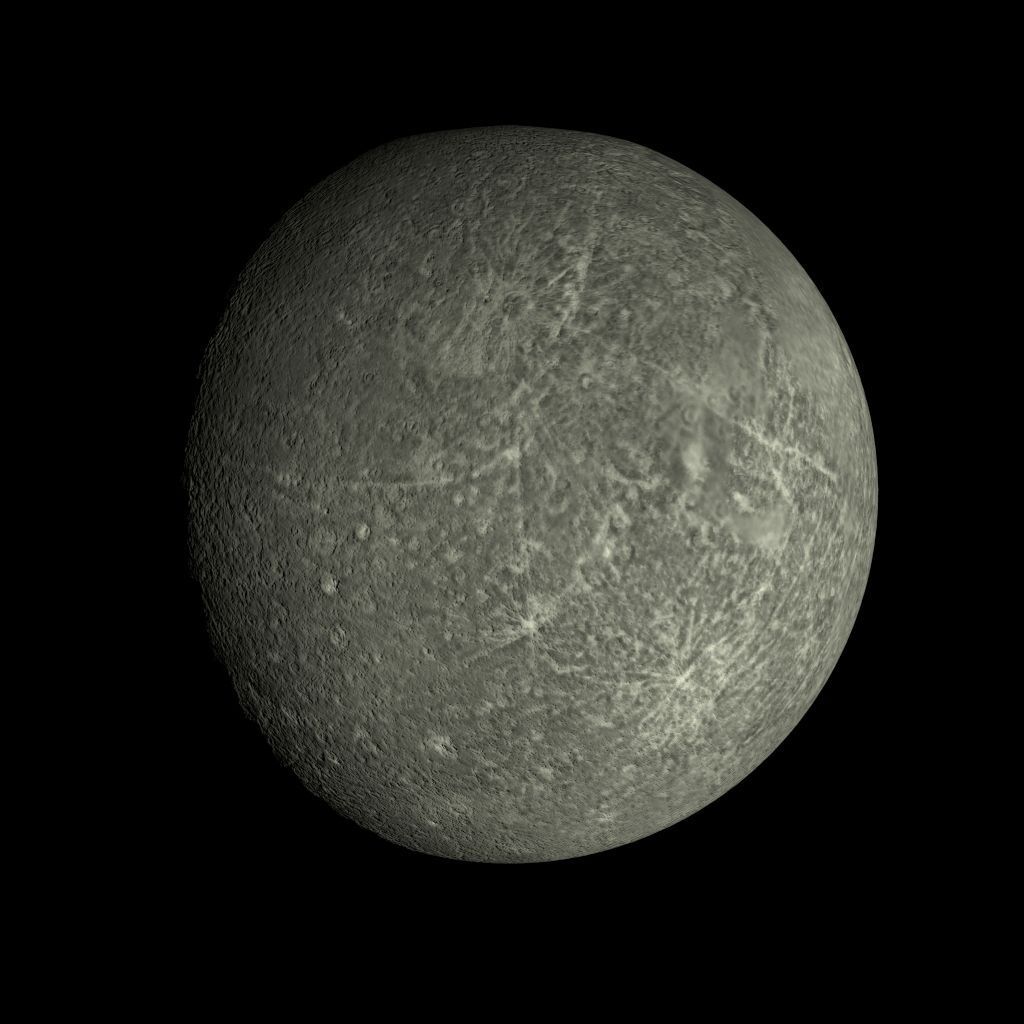
Studying Mercury is essential for advancing our capabilities in high-radiation and high-temperature environments. As an engineering "stress test," Mercury allows us to refine thermal protection systems (TPS), radiation shielding, and high-efficiency solar harvesting. By understanding the geology and history of Mercury, we also unlock key insights into the formation of the inner solar system, helping us better predict the availability of metal-rich materials on other planetary bodies. It is the ultimate baseline for resilience in solar-proximal operations.
Join Our Newsletter
Stay updated with the latest astronomical discoveries, space mission updates, and community events from HORIZONS. It is an honor to have you join our journey through the stars.