LET'S COOK · NEW HORIZONS
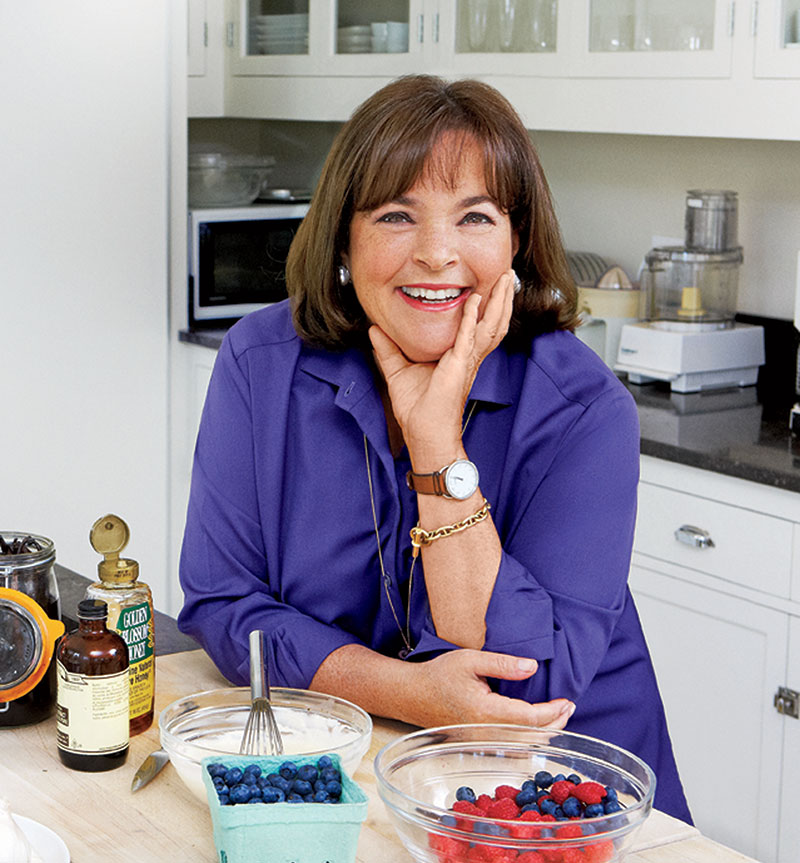
Ina Garten
“How easy is that?”
The Barefoot Contessa. Queen of effortless entertaining and the master of simple, elegant, store-bought-is-fine cooking that feels luxurious and deeply comforting.
“How easy is that?”
The Barefoot Contessa. Queen of effortless entertaining and the master of simple, elegant, store-bought-is-fine cooking that feels luxurious and deeply comforting.
Ina Rosenberg Garten is an American author, television host, and former White House nuclear policy analyst who became one of the most beloved figures in home cooking through her Barefoot Contessa cookbooks and Food Network series.
Known for her warm personality, practical elegance, and the famous phrase “store-bought is fine,” she has taught millions that beautiful food doesn’t have to be complicated — it just has to be made with care and good ingredients.
Her philosophy is simple, generous, and deeply comforting: cook for the people you love, keep it elegant but approachable, and never apologize for making life a little easier.

From The Barefoot Contessa Cookbook to Go-To Dinners, her books have sold millions and become kitchen essentials for home cooks everywhere.
Barefoot Contessa has been a beloved television staple for over two decades, teaching viewers how to entertain with ease and style.
Started with a specialty food store in the Hamptons that became the foundation of her entire culinary empire and philosophy.
The most liberating secret in Ina’s kitchen: you don’t have to make everything from scratch to create something beautiful.
Ina famously gives permission to take smart shortcuts. Great entertaining is about the overall experience, not proving how hard you worked.
If you’re buying, buy excellent. A great rotisserie chicken beats a mediocre homemade one.
Add fresh herbs, good olive oil, lemon zest, or a homemade sauce to make store-bought feel special.
Focus your time on the one or two dishes that truly shine. Let the rest be easy.
Ina’s Rule: How easy is that?

When the ingredients are excellent, the cooking becomes almost effortless.
Ina’s food tastes luxurious because she starts with the best possible ingredients and then treats them simply and respectfully.
A perfect peach or tomato needs almost nothing. Taste before you buy.
These are the quiet ingredients that make everything taste richer and more satisfying.
Proper seasoning is what separates good home cooking from restaurant-level flavor.
Ina’s Rule: Start with the best and then get out of the way.

The secret to looking calm and gracious when guests arrive is doing almost everything the day before.
Ina is the master of make-ahead cooking. Her parties feel effortless because most of the work is already finished.
Stews, lasagnas, roasted vegetables, and many desserts taste even better the next day.
Wash greens, make dressings, toast nuts, and portion ingredients so assembly is fast.
When guests arrive, you should only need to reheat, dress, and garnish.
Ina’s Rule: The host should be relaxed. Plan so you can be.

Elegance almost always comes from restraint, not from adding more.
Ina’s most beautiful dishes are rarely complicated. She trusts a few excellent ingredients and lets them speak clearly.
Three or four complementary flavors usually taste cleaner and more luxurious than eight.
Let the main ingredient be the hero. Everything else should support it.
The moment the dish tastes complete, put the spoon down. More is rarely better.
Ina’s Rule: Simple food, done well, is always elegant.

Abundance and warmth matter more than perfection. People remember how you made them feel.
Ina’s entertaining style is generous, relaxed, and deeply welcoming. The table should feel abundant and the host should feel present.
Big platters in the center of the table feel more generous and create conversation.
Running out of food is the only real failure. Leftovers are a gift.
The best host is the one who is actually at the table, not stuck in the kitchen.
Ina’s Rule: People come for the food, but they stay for the feeling.

A handful of fresh herbs at the end can turn a good dish into something bright and unforgettable.
Ina almost never finishes a dish without fresh herbs. They add color, fragrance, and a feeling of care.
Heat destroys delicate herbs. Stir them in just before serving for maximum impact.
A light sprinkle is rarely enough. Use a big handful for real fragrance and color.
Basil with tomatoes, dill with fish, thyme with chicken, parsley with almost everything.
Ina’s Rule: Fresh herbs are the easiest way to make food look and taste cared for.

Recipes are guides. Your palate is the final authority.
Ina always tastes and adjusts. She believes good cooks listen to the food more than they follow exact measurements.
Don’t wait until the end. Adjust salt, acid, and richness throughout cooking.
If something tastes flat, it usually needs salt or acid. If it’s heavy, it needs brightness.
Recipes are starting points. Adjust them until they taste right to you.
Ina’s Rule: The best cooks trust their own taste more than any recipe.

We eat with our eyes first. Beautiful food tastes better before the first bite.
Ina’s food always looks inviting. She pays attention to color, height, and the final flourish that makes a dish feel special.
White platters make food colors pop and look instantly more elegant.
A drizzle of olive oil, a sprinkle of herbs, or a few edible flowers makes everything look finished.
Hot food hot, cold food cold. Temperature is part of presentation.
Ina’s Rule: If it looks cared for, it already tastes better.

The most important ingredient cannot be measured. It is the care you put into the food and the people you feed.
At the heart of everything Ina teaches is a simple truth: cooking is an act of love. When you cook for people you care about, the food carries that feeling.
The goal is connection, not a perfect plate. People feel the difference.
If cooking feels like a burden, the food will carry that energy. Make it a pleasure.
Food is meant to be shared. The joy multiplies when others are at the table.
Ina’s Final Rule: The best meals are the ones made with love and shared with people you care about.

Great flavor is rarely created at the end. It is built step by step throughout the cooking process.
Ina seasons early and often. She knows that depth comes from layering salt, aromatics, and richness at every stage.
Add salt when sautéing onions, when adding stock, and again at the end. Flavor builds in stages.
Onions, garlic, shallots, and herbs form the foundation that everything else rests on.
A squeeze of lemon, a splash of vinegar, or fresh herbs at the end wakes everything up.
Ina’s Rule: Flavor is not a final step. It is a continuous process.

Space is flavor. Crowding creates steam instead of the beautiful browning you actually want.
Whether roasting vegetables or searing meat, Ina always gives ingredients room to brown properly. Color equals flavor.
It is better to cook in batches than to steam everything into a pale, soft mess.
A hot pan or hot oven is essential for good color and texture.
Airflow is what creates crisp edges and deep flavor.
Ina’s Rule: If the pan looks crowded, it is already too full.

Patience after cooking is just as important as skill during cooking.
Whether it’s roast chicken, steak, or a lasagna, Ina always lets food rest so juices redistribute and textures settle.
Cutting too early lets all the juices run out onto the board instead of staying in the meat.
A short rest makes lasagna and baked pasta hold their shape and taste more cohesive.
Finish the salad, warm the bread, or pour the wine while the main dish rests.
Ina’s Rule: Resting is not optional. It is part of the recipe.

A good pantry turns an empty fridge into a delicious dinner in under an hour.
Ina always has the building blocks of flavor ready: good olive oil, pasta, canned tomatoes, beans, stocks, and a few excellent cheeses.
A few excellent pantry items are more useful than a cupboard full of mediocre ones.
Olive oil, butter, pasta, rice, canned tomatoes, chicken stock, and good vinegar cover most needs.
Old spices and stale oils quietly ruin dishes. Keep things fresh.
Ina’s Rule: A well-stocked pantry is the difference between takeout and a real home-cooked meal.

The more you cook the same dishes, the more natural and joyful cooking becomes.
Ina built her confidence by cooking the same reliable recipes again and again until they became second nature.
Having five or six reliable recipes you can cook without stress is more valuable than a hundred untested ones.
The first time is always the hardest. By the third or fourth time, the dish becomes yours.
Each time you cook something, notice one thing you can do better next time.
Ina’s Rule: Confidence in the kitchen is built one repeated recipe at a time.

The ultimate goal is not a perfect plate. It is a happy table and a joyful cook.
Ina’s greatest lesson is that cooking should bring pleasure, not stress. When the cook is happy, the food carries that feeling to everyone at the table.
A slightly imperfect dish made with care will always beat a stressful attempt at perfection.
The host should enjoy the meal too. Plan so you can actually be at the table.
It is about connection, comfort, and sharing something good with people you care about.
Ina’s Final Rule: How easy is that? Cook with love, serve with joy, and enjoy every moment at the table.

Loading recommended tools...
Continue your journey. Discover the unique philosophies and secret techniques of more legendary culinary masters.
Know someone who needs a little more ease and elegance in the kitchen? Share Ina’s wisdom.
Practical, elegant lessons you can use in your kitchen starting today.
Explore different philosophies from the world’s greatest culinary minds.
No fluff. Only proven, comforting principles from the Barefoot Contessa herself.