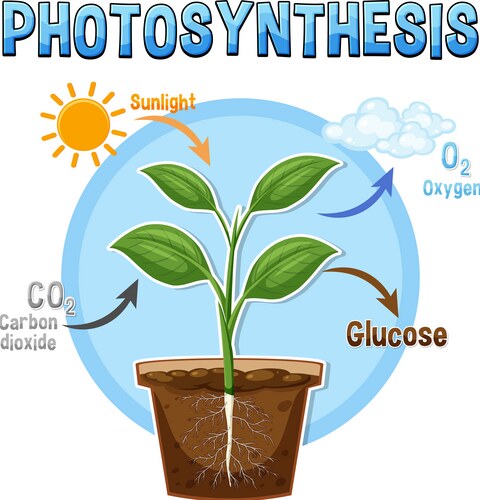
Photosynthesis Yield Caluculator
PHOTOSYNTHESIS YIELD CALCULATOR
BIOMASS • QUANTUM EFFICIENCY • CARBON FIXATION
138.7 g/m²
2.84 g/MJ
5.62 t C/ha
BIO-ENERGY MATRIX • PHOTOSYNTHESIS YIELD ENGINE 2026
Light Conversion
Solar Capture. Photosynthesis converts incident sunlight into chemical energy. While theoretical efficiency limits sit around 4 to 6 percent for C3 crops, actual field yields are often much lower.
Core Challenge: Optimizing photon absorption without damaging cellular structures under intense light stress.
- ☀️ Photon absorption rates.
- 🌿 Energy conversion limits.
Carbon Pathways
Metabolic Strategies. Plants utilize different carbon fixation pathways. C4 plants like corn and sugarcane bypass photorespiration inefficiencies, delivering much higher biomass yields in hot climates.
Advantage: Structural adaptations drastically reduce water loss and carbon waste.
- 🧬 C4 and CAM adaptations.
- 🌽 Biomass maximization.
Photorespiration
The Rubisco Flaw. The enzyme Rubisco sometimes fixes oxygen instead of carbon dioxide, triggering a wasteful cycle that burns up cellular energy and suppresses net crop yields by up to twenty5 percent.
Solution Focus: Bioengineers are actively designing synthetic bypasses to cut this metabolic penalty.
- ⚠️ Oxygen competition.
- ⚡ Energy waste reduction.
Canopy Structure
Leaf Orientation. Upright leaves at the top of a plant canopy let light filter deeper down to lower leaves. This prevents upper leaf saturation and boosts total field photosynthetic output.
Agronomy: Breeding crops with optimized canopy geometry multiplies field yield potential.
- 📐 Upright leaf angles.
- 🌾 Deep light penetration.
NPQ Regulation
Thermal Dissipation. When sunlight exceeds what chloroplasts can process, plants trigger Non-Photochemical Quenching to dump excess energy safely as heat.
Speed Factor: Speeding up recovery from NPQ when clouds pass can boost crop yields significantly over a growing season.
- 🌡️ Heat dissipation.
- ⚡ Fast recovery triggers.
Stomatal Control
Gas Exchange. Plants must open tiny pores called stomata to let carbon dioxide in, but this risks losing precious water through transpiration. Dry soil forces closure, instantly shutting down photosynthesis.
Balance: Water use efficiency dictates final agricultural output in arid regions.
- 💧 Transpiration trade-offs.
- 🚪 Pore regulation.
Yield Frontier
Next-Gen Crops. Scientists are utilizing gene editing to upgrade photosynthetic machinery, targeting faster enzyme kinetics and reduced energy leakage to secure the next major leap in global food production.
Goal: Maximizing harvest potential per acre to feed a growing planet.
- 🧪 Gene-edited pathways.
- 📈 Maximum harvest scale.
BIOLOGY / ENERGY CONVERSION
THE GREEN ENGINE
Photosynthesis is the natural process that allows plants, algae, and some bacteria to capture sunlight and use it to turn simple ingredients—water and carbon dioxide—into food. Without this incredible chemical reaction, life on Earth as we know it could not exist.

BIOLOGY / CELLULAR MACHINERY
INSIDE THE CHLOROPLAST
Plant cells contain tiny green structures called chloroplasts. These act as miniature solar power plants filled with a pigment called chlorophyll, which absorbs sunlight and kicks off the chemical reactions needed to build plant food.

BIOLOGY / SUGAR PRODUCTION
THE CALVIN CYCLE
Once the plant captures solar energy and stores it temporarily, it enters the second major phase known as the Calvin cycle. Here, carbon dioxide from the air is pulled in and stitched together using that stored energy to build long-lasting glucose.
BIOLOGY / GLOBAL ECOSYSTEM
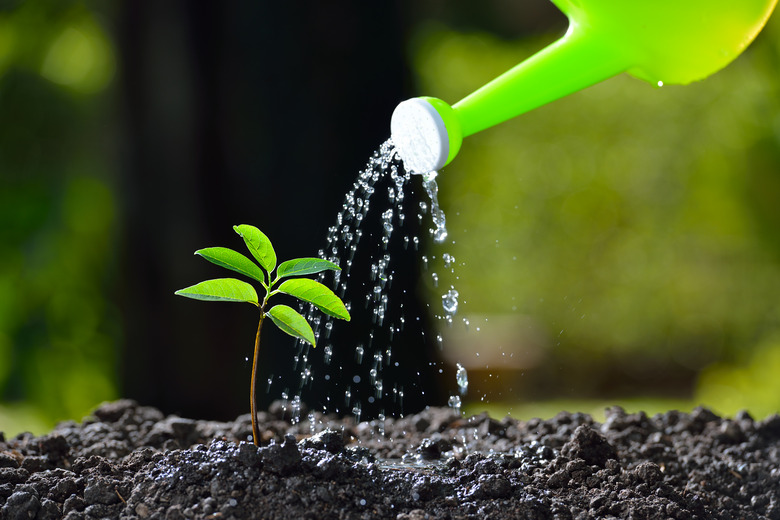
THE WEB OF LIFE
Photosynthesis does much more than just feed plants. By converting raw solar energy into consumable chemical energy, plants form the primary base of the global food chain, sustaining herbivores, carnivores, and the atmospheric oxygen we breathe every single second.

Recommended Tools
View AllLoading recommended tools...
Dive Deep
Photosynthesis Yield

Cell Doubling

Human Lung Capacity
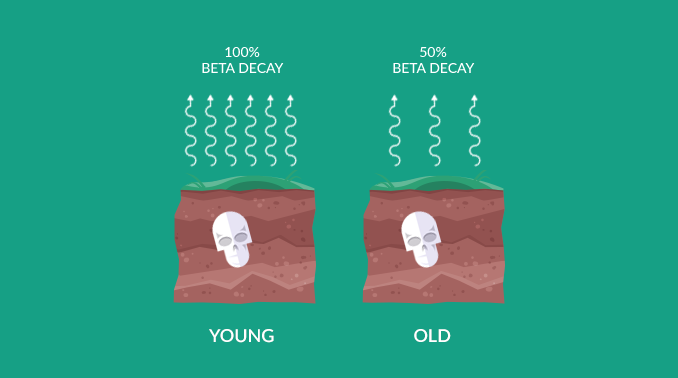
Carbon Dating
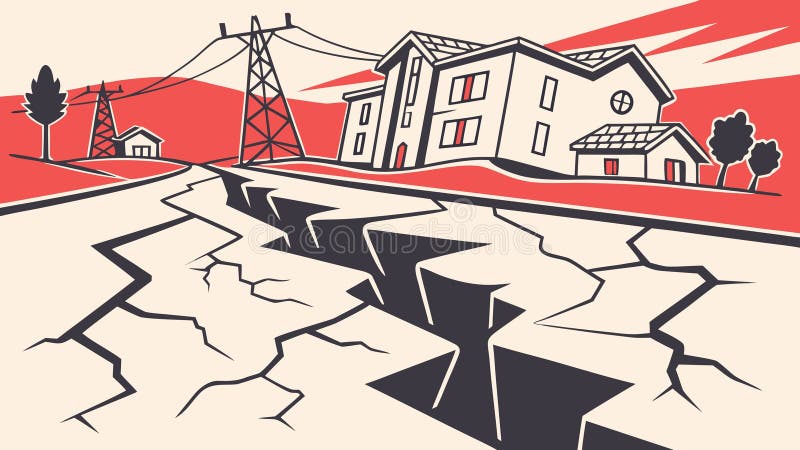
Earth Quake Energy

Soil Porosity

Genetic Cross
Water Evaporation Rate
<
Ocean Pressure At Depth

Wind Chill Factor

Glacier Melt Volme
