GHEE SMOKE / SCIENCE
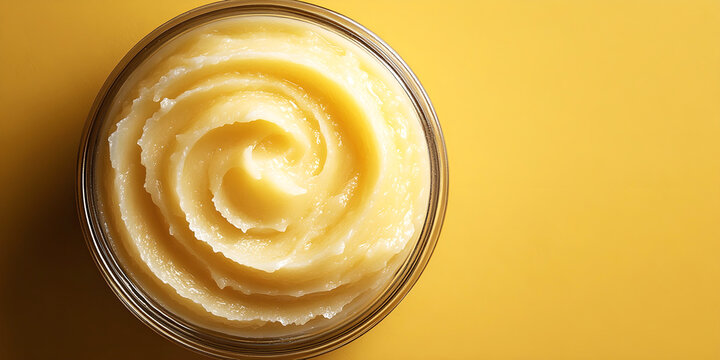
Every fat has a "smoke point"—the temperature at which it begins to break down, smoke, and release free radicals. While standard butter smokes at around 350°F (175°C) due to its milk solids, ghee is different. By removing those solids, we elevate the smoke point to an impressive 485°F (250°C). This thermal resilience makes ghee the premier medium for aggressive searing, frying, and sautéing, allowing you to achieve a perfect, golden-brown crust without ever compromising the flavor profile of your dish.
GHEE SMOKE / REACTION
When you sear a protein in ghee, you are facilitating the Maillard reaction at its peak. Because ghee is pure fat without interfering water or milk solids, it allows the surface of your food to make direct, sustained contact with high heat. This triggers the complex browning process, creating hundreds of distinct flavor compounds that give seared steaks, scallops, or root vegetables their characteristic depth and savoriness. With ghee, you control the reaction, ensuring a flawless, glass-like crust every time.
GHEE SMOKE / CONTROL
True mastery involves active heat management. Even with a high-smoke-point fat like ghee, overheating occurs when the pan temperature spikes beyond the oil's threshold. Start by heating your pan over medium-high heat—not maximum—and allow the ghee to shimmer. If you notice thin wisps of smoke, it is a clear signal to remove the pan from the heat source immediately. By managing the temperature dynamically rather than setting it and forgetting it, you maintain a clean, flavor-focused sear every single time.
GHEE SMOKE / COOKWARE
Your choice of pan is an extension of your control. Cast iron and stainless steel are superior partners for ghee, as they provide the mass necessary for stable, high-temperature heat retention. Conversely, thinner aluminum pans can lead to "hot spots"—isolated zones where the ghee may exceed its smoke point even while the rest of the pan seems controlled. By matching a heavy-bottomed pan with the high-heat resilience of ghee, you create a thermal environment that is consistent, predictable, and perfectly suited for professional-grade searing.
GHEE SMOKE / FINISHING
Once you achieve that perfect golden crust, the residual heat and the remaining ghee in the pan are your greatest assets. Rather than discarding this liquid, use it for "aromatic basting" or as the base for a quick pan sauce. Because ghee has such a high smoke point, the compounds formed during the sear remain stable and clean. By deglazing the pan with a splash of wine, stock, or herbs while the ghee is still hot, you emulsify these browned bits—fond—back into the fat, creating a concentrated, velvety sauce that captures the full essence of your protein.
GHEE SMOKE / NUTRITION
When you choose ghee for high-heat cooking, you are choosing a fat that is naturally stable. Many refined seed oils are processed with solvents and undergo extreme heat before they ever reach your kitchen, making them prone to oxidation when reheated. Ghee, by contrast, is a single-ingredient fat that maintains its molecular integrity under thermal stress. This means fewer lipid oxidation products (LOPs) in your food and a cleaner, more vibrant flavor profile that respects the ingredients you’ve worked so hard to source.
GHEE SMOKE / ENVIRONMENT
High-heat cooking is inherently active. The goal is to maximize heat while minimizing kitchen clutter. Use a high-quality splatter screen to contain micro-droplets of ghee without trapping steam, which preserves the crust-building environment of the pan. Furthermore, always dry your proteins thoroughly before they touch the ghee; moisture is the primary culprit behind violent splatter. By controlling the input—dry surfaces and focused heat—you create a controlled, professional environment that remains spotless throughout the searing process.