A growing percentage of searches end without a click. Users get their answers directly from AI Overviews, Featured Snippets, Knowledge Panels, and other rich results. Zero-Click SEO focuses on maximizing brand visibility and authority even when traffic doesn’t land on your site — turning SERP real estate into powerful brand exposure and trust signals.
Modern link building has evolved into Digital PR. Instead of chasing random backlinks, focus on creating newsworthy stories, original research, and valuable assets that journalists and industry sites naturally want to cite. High-quality, relevant mentions from authoritative sources remain one of the strongest ranking signals and also boost brand credibility.
Search engines allocate a limited crawl budget to each website. Optimizing how bots discover and prioritise your pages ensures your most important content gets crawled and indexed quickly. Poor crawl efficiency wastes resources on low-value pages and delays ranking updates for high-value content.
Ranking high means little if your content doesn’t match what the user actually wants. User Intent Optimization ensures every page aligns with the true purpose behind a search query — whether the user wants information, a specific website, a product, or a local service. When intent and content match perfectly, engagement rises and rankings follow.
Strong brands rank more easily. Brand SEO focuses on building recognition, trust, and direct demand so that people actively search for your name and Google treats you as an authoritative entity. When users type your brand into the search bar, it signals relevance and quality far more powerfully than any on-page tactic alone.
A thorough Technical SEO Audit reveals the hidden barriers preventing your site from ranking. From crawl errors and indexation issues to site speed and structured data problems, regular audits keep your foundation solid and ready for growth.
Beyond basic schema, advanced structured data unlocks richer SERP features and helps search engines understand complex relationships on your site. Implementing the right schema types at scale can dramatically improve visibility and click-through rates.
A well-planned site architecture makes it easy for both users and search engines to navigate your content. Logical hierarchy, clear categories, and strategic internal linking help distribute authority and ensure important pages are never more than a few clicks away.
Modern websites rely heavily on JavaScript frameworks. If search engines cannot properly render and index your JS-generated content, rankings suffer. JavaScript SEO ensures your dynamic content is fully accessible, crawlable, and indexable.
Server log files reveal exactly how search engine bots interact with your site. Analysing these logs uncovers crawl frequency, wasted budget, indexation issues, and prioritisation problems that Google Search Console alone cannot show.
Core Web Vitals measure real-world user experience. Optimising Largest Contentful Paint (LCP), Interaction to Next Paint (INP), and Cumulative Layout Shift (CLS) not only improves rankings but also reduces bounce rates and increases conversions.
HTTPS is no longer optional — it is a confirmed ranking factor and a fundamental trust signal. Beyond basic SSL, modern security practices (HSTS, secure headers, clean certificates) protect users and strengthen your site’s authority in the eyes of both Google and visitors.
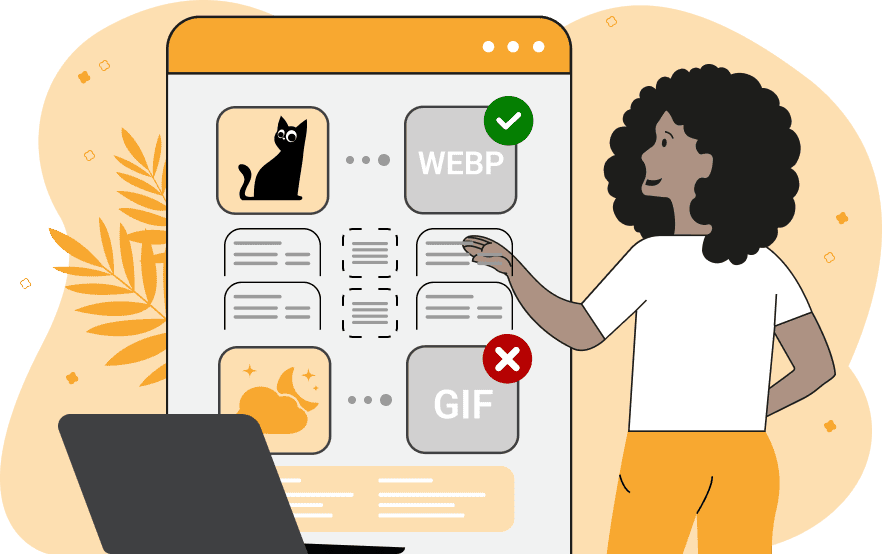
Images are a major source of traffic and ranking signals. Proper image SEO improves page speed, accessibility, and visibility in Google Images and visual search. Optimising file names, alt text, size, and format turns every image into a ranking asset.
Video content dominates modern SERPs. Optimising videos for search (both on YouTube and on your own site) increases visibility in video carousels, increases dwell time, and provides powerful engagement signals that support overall rankings.
Local SEO goes far beyond a basic Google Business Profile. Advanced local strategies focus on consistent citations, review generation, local content, and geo-targeted optimisation to dominate the Map Pack and local organic results.
Accessible websites perform better in search. Clear structure, proper heading hierarchy, alt text, keyboard navigation, and readable contrast improve both user experience and how search engines understand your content. Accessibility is increasingly becoming a ranking and trust signal.